Protective Hairstyles for Kids
Choosing the right protective hairstyle for your child can feel overwhelming.
With so many beautiful braids, twists, cornrows, and other styles to choose from, it’s easy to focus on what looks nice without considering what is best for your child’s hair.
The truth is that the right protective hairstyle does much more than enhance your child’s appearance.
It can help reduce daily manipulation, minimize tangles, protect delicate hair ends, and support healthy hair care habits.
On the other hand, a hairstyle that is too tight, too heavy, or unsuitable for your child’s hair type may lead to discomfort, breakage, or unnecessary stress on the scalp.
Every child has unique hair. Some have fine, straight strands that tangle easily, while others have thick, curly, or coily hair that benefits from styles designed to retain moisture and reduce friction.
Age, activity level, scalp sensitivity, and how long you plan to keep the style also play an important role in choosing the best option.
In this guide, you’ll learn what protective hairstyles are, why they matter, how to choose the right style for your child’s hair type and lifestyle, common mistakes to avoid, and practical tips for keeping your child’s hair healthy before, during, and after protective styling.
Whether you’re preparing for school, a family vacation, or simply looking for an easy-to-maintain hairstyle, this guide will help you make a confident and informed decision.
What Is a Protective Hairstyle?
Photocredithttps://pin.it/32whxEos8
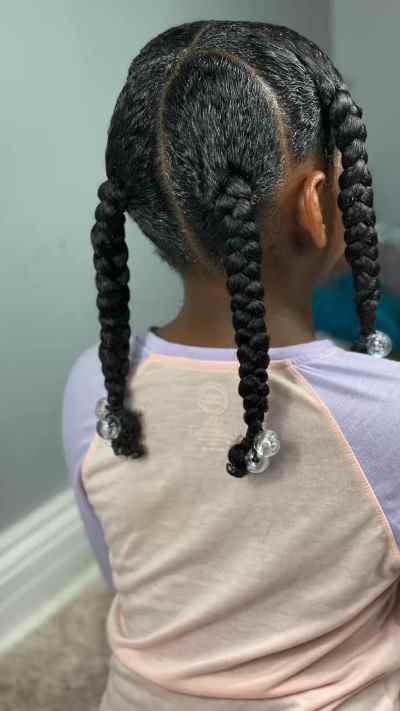
A protective hairstyle is any hairstyle that helps reduce daily manipulation of the hair, protects the ends from damage, and makes it easier to maintain healthy hair.
For children, protective styles can also save time during busy school mornings, reduce tangles, and make hair care less stressful for both parents and kids.
However, it’s important to understand that not every braid or hairstyle is automatically protective.
A style is only considered protective when it keeps the hair healthy without causing unnecessary tension on the scalp or hairline.
The main purpose of a protective hairstyle is to:
- Reduce breakage caused by frequent combing and brushing.
- Protect delicate hair ends from friction against clothing and bedding.
- Help retain moisture, especially in curly and coily hair.
- Minimize tangles and knots.
- Make daily hair care more manageable.
- Encourage healthy hair growth by reducing damage, not by making hair grow faster.
It’s also a common misconception that protective hairstyles directly make hair grow faster.
Hair grows from the scalp based on factors such as genetics, nutrition, overall health, and proper hair care.
What protective hairstyles do is help preserve the hair that is already growing by reducing breakage, allowing children to retain more of their hair length over time.
Some examples of protective hairstyles for kids include:
- Cornrows
- Box braids
- Two-strand twists
- Flat twists
- Halo braids
- Bantu knots
- Puff styles
- Low buns
- Simple braided ponytails
The best Protective Hairstyles for Kids is not necessarily the trendiest one, it’s the one that suits your child’s hair type, age, daily activities, and comfort level.
A style that works well for one child may not be the best choice for another, which is why understanding your child’s individual hair needs is so important.
Protective Doesn’t Mean “Leave It and Forget It”
Photocredithttps://pin.it/iCXSvrXZW
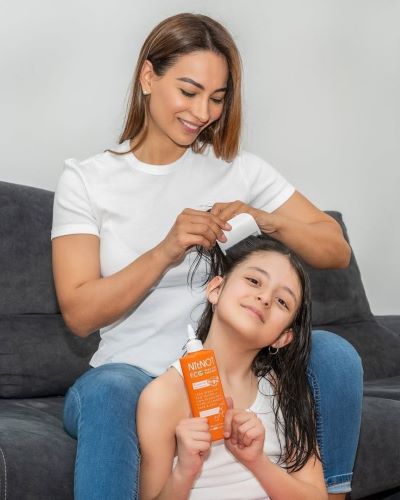
One of the biggest mistakes parents make is assuming that once a protective hairstyle is installed, the hair no longer needs care.
In reality, children’s hair still needs regular moisturizing, a clean scalp, and protection while sleeping.
Without proper maintenance, even the best protective style can become dry, frizzy, or lead to unnecessary breakage.
Think of a protective hairstyle as part of a healthy hair care routine, not a replacement for one.
When paired with gentle maintenance and regular check-ins, protective styles can help keep your child’s hair healthy, comfortable, and easier to manage.
Why Protective Hairstyles Matter for Children’s Hair
Photocredithttps://pin.it/Me8oibdRC
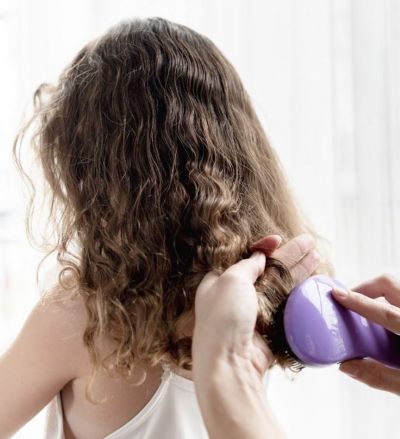
Children’s hair goes through a lot every day.
From running around at school and playing sports to sleeping, swimming, and frequent brushing, their hair experiences constant friction and manipulation.
Over time, this can lead to tangles, dryness, breakage, and frustration during styling sessions.
Protective hairstyles provide a practical way to reduce this daily stress on the hair while making hair care easier for both children and parents.
When chosen and maintained correctly, they can become an important part of a healthy hair care routine.
They Help Reduce Daily Manipulation
Photocredithttps://pin.it/7gtu8h6Yc
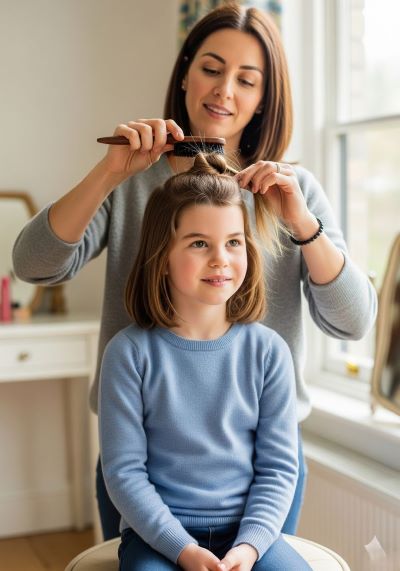
One of the biggest causes of hair breakage is excessive handling.
Constant combing, brushing, and restyling can weaken hair strands, especially if the hair is curly or coily.
Protective hairstyles keep the hair neatly secured, meaning you don’t have to comb or style it extensively every morning.
Less manipulation often results in less breakage and healthier-looking hair over time.
They Help Protect Hair Ends
Photocredithttps://pin.it/3X0RfQTf5
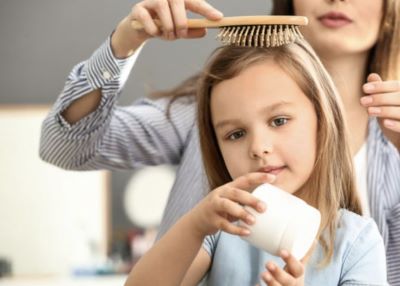
The ends of the hair are the oldest and most delicate part of each strand.
When left exposed every day, they rub against clothing, backpacks, pillows, and car seats, making them more likely to become dry or split.
Many protective hairstyles tuck away or secure the ends, helping reduce friction and preserve the hair’s length and overall health.
They Make Hair Care Easier for Busy Families
Many parents juggle work, school routines, and other family responsibilities. Spending an hour styling hair every morning isn’t always realistic.
Protective hairstyles can simplify your routine by keeping hair neat for several days or weeks, depending on the style.
Daily care often becomes as simple as moisturizing the hair when needed, checking the scalp, and making sure the style remains comfortable.
They Help Minimize Tangles and Knots
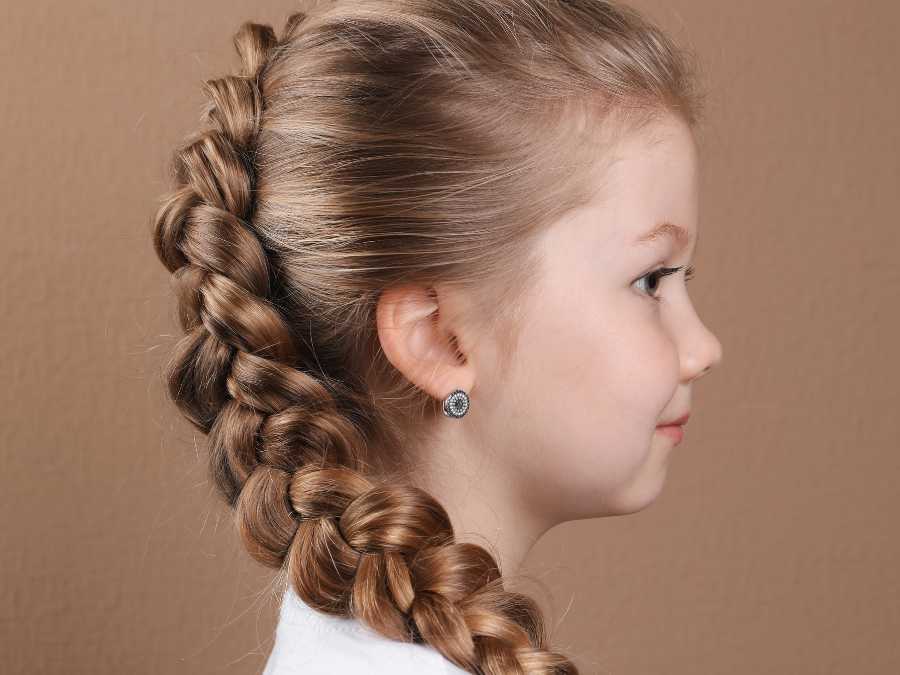
Loose hair, especially long, curly, or coily hair, can easily become tangled during play or while sleeping.
Styles such as cornrows, twists, or neatly braided sections help keep strands organized, making wash day and detangling sessions much less stressful for children.
They Can Support Healthy Hair Retention
Photocredithttps://pin.it/HBFyldSXR
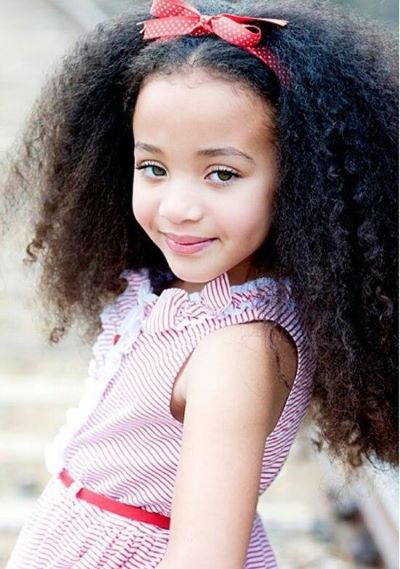
It’s common to hear people say protective hairstyles “make hair grow.” In reality, hair grows naturally from the scalp.
What protective hairstyles can do is help reduce breakage, allowing children to retain more of the length their hair naturally grows.
Healthy hair retention means your child’s hair is less likely to break off before you notice the progress.
They Can Build Positive Hair Care Habits
Photocredithttps://pin.it/2r5ckiUXD
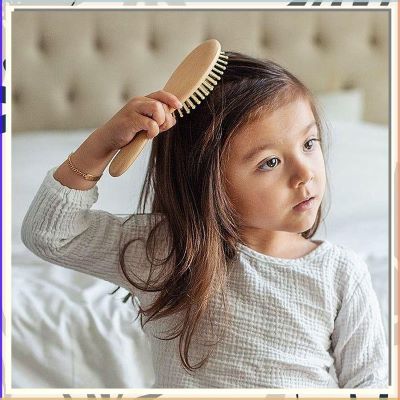
Hair care doesn’t have to be a struggle. When children wear comfortable, well-maintained protective styles, styling sessions are often quicker and less painful.
This can help children develop a more positive attitude toward caring for their hair, making them more willing to participate as they grow older.
Protective Hairstyles Still Require Care
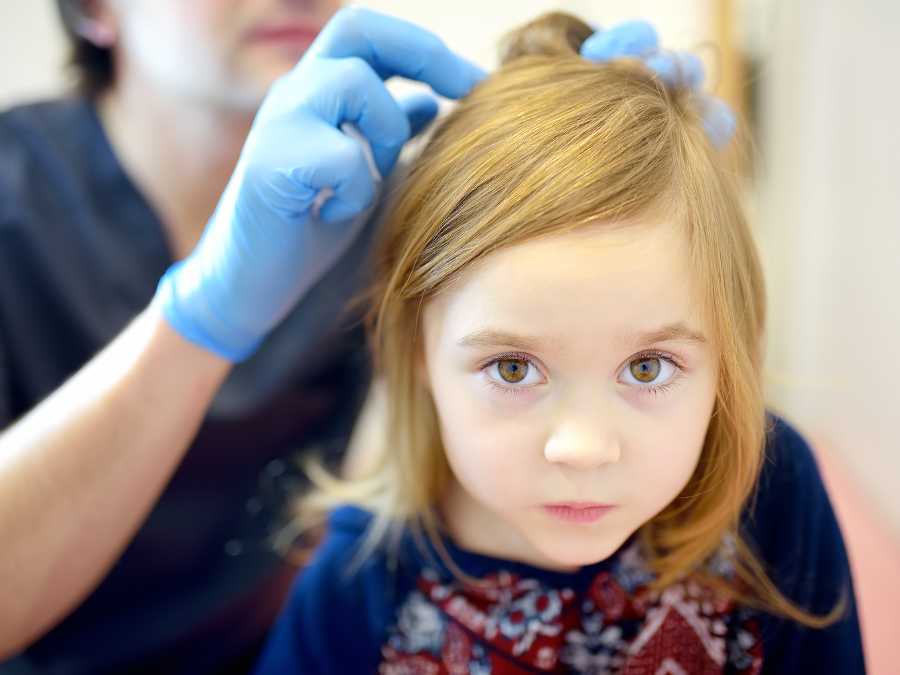
Although protective hairstyles reduce daily styling, they are not maintenance-free.
To keep your child’s hair healthy while wearing a protective style:
- Moisturize the hair regularly with child-friendly products.
- Keep the scalp clean to prevent buildup.
- Protect the hair at night with a satin bonnet, satin scarf, or satin pillowcase.
- Check the hairline and scalp for signs of tension or irritation.
- Remove the style at the recommended time to avoid matting and breakage.
A Healthy Balance Is Key
Protective hairstyles are just one part of a complete hair care routine.
Healthy hair also depends on gentle washing, proper conditioning, regular moisturizing, a balanced diet, adequate hydration, and avoiding hairstyles that are too tight.
By choosing styles that suit your child’s individual needs and maintaining them properly, you can help keep their hair healthy, comfortable, and easier to manage throughout the year.
Know Your Child’s Hair Type Before Choosing a Protective Hairstyle
One of the biggest mistakes parents make is choosing a hairstyle simply because it looks beautiful on another child.
While it’s natural to draw inspiration from photos on social media or Pinterest, the healthiest protective hairstyle is the one that works for your child’s unique hair.
Every child has a different hair texture, thickness, density, and scalp sensitivity.
A style that lasts several weeks on one child may become uncomfortable or difficult to maintain on another.
That’s why understanding your child’s hair type is the first step toward choosing a protective style that is both beautiful and healthy.
You don’t need to be a professional hairstylist to understand your child’s hair.
Paying attention to how their hair behaves will help you make better styling decisions.
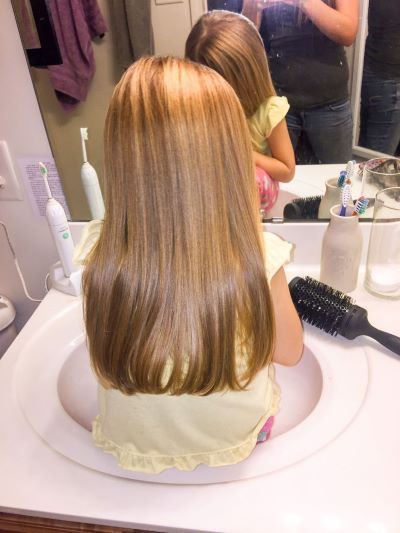
Straight Hair
Photocredithttps://pin.it/5j7fP4ZvL
Straight hair lies flat from the roots and usually has a smooth, shiny appearance because natural oils can travel easily from the scalp to the ends.
Although it may seem easy to manage, straight hair can become oily quickly and may not hold certain braided styles as long as curly or coily hair.
Best protective hairstyles for straight hair:
- Simple three-strand braids
- French braids
- Dutch braids
- Low braided pigtails
- Braided ponytails
- Low buns
Choose lightweight styles that don’t pull tightly on the scalp.
Since straight hair can slip out of braids more easily, avoid adding unnecessary tension to make the style last longer.
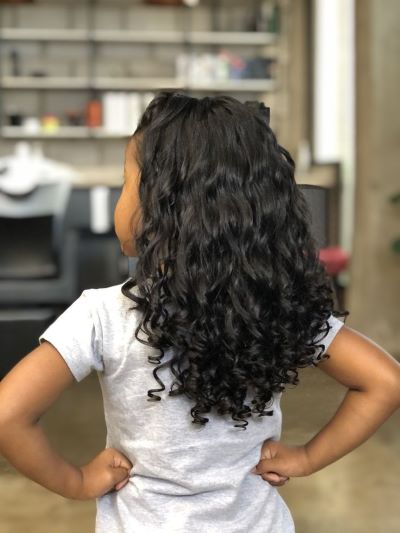
Wavy Hair
Photocredithttps://pin.it/4LBncOn2L
Wavy hair forms gentle “S” shapes and usually has more volume than straight hair.
It can become frizzy in humid weather and may tangle if left loose for long periods.
Best protective hairstyles for wavy hair:
- Loose braids
- Double Dutch braids
- Twisted ponytails
- Crown braids
- Low twisted buns
- Half-up braided styles
Avoid overly tight styles that flatten the natural wave pattern.
Gentle styles help maintain the hair’s natural texture while protecting it from tangles.
Curly Hair
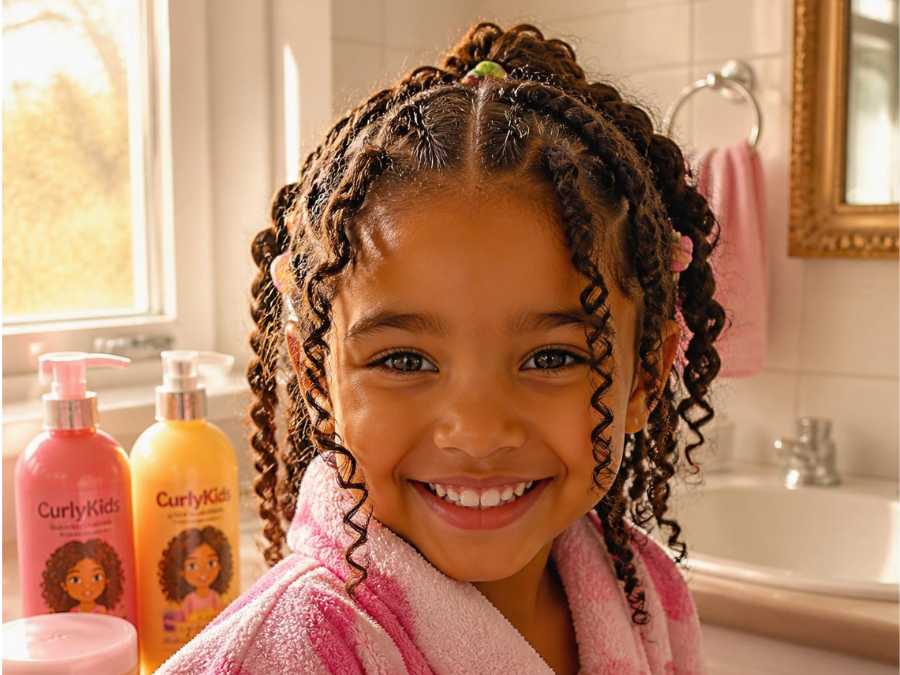
Curly hair naturally forms spirals or ringlets and tends to be drier because natural oils take longer to travel down the hair shaft.
It also tangles more easily if not moisturized regularly.
Best protective hairstyles for curly hair:
- Two-strand twists
- Flat twists
- Cornrows
- Braided puffs
- Twist buns
- Chunky braids
Before installing any protective style, make sure the hair is clean, well-conditioned, and moisturized.
This helps reduce dryness while the style is in place.
Coily Hair
Photocredithttps://pin.it/5kU05OddL
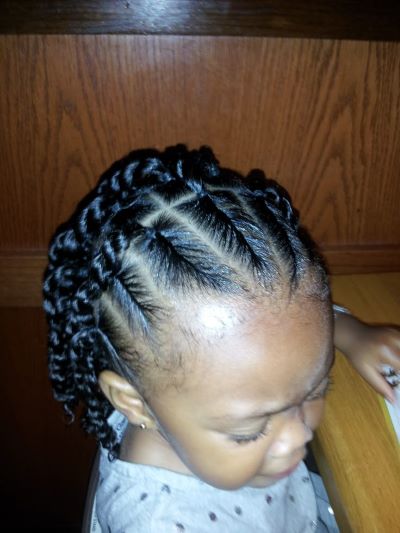
Coily hair has tight curls or zigzag-shaped strands that are beautiful but naturally delicate.
Because the curls are tightly packed, natural oils have a harder time reaching the ends of the hair, making moisture retention especially important.
Coily hair often benefits the most from well-installed protective hairstyles, provided they are not too tight or too heavy.
Best protective hairstyles for coily hair:
- Cornrows
- Box braids
- Flat twists
- Two-strand twists
- Bantu knots
- Mini twists
- Stitch braids (installed with gentle tension)
Regular moisturizing is essential while wearing these styles to help keep the hair soft and reduce breakage.
Hair Thickness Matters Too
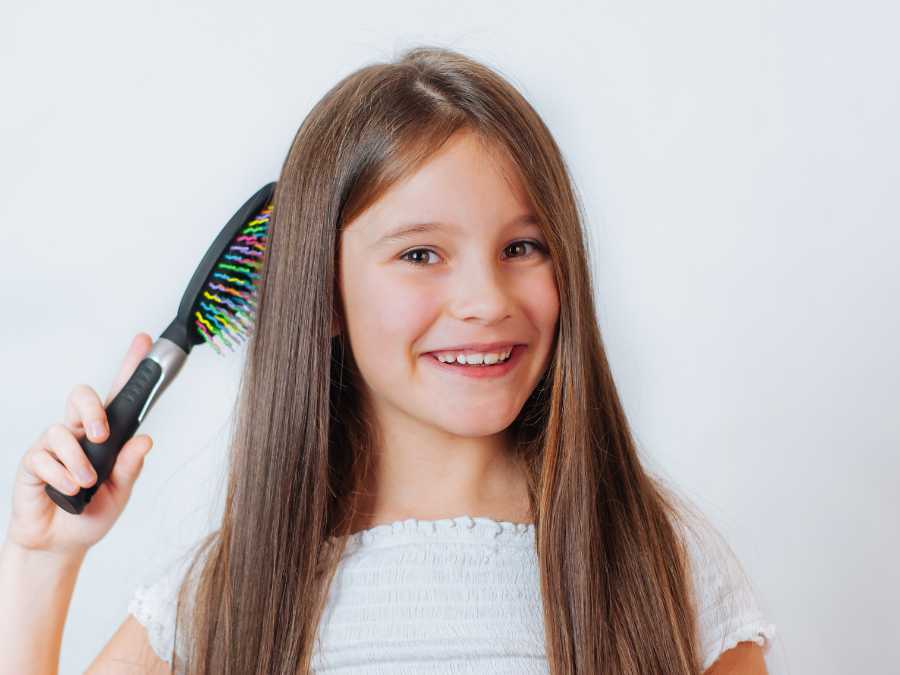
The Hair texture is only part of the picture. Hair thickness also plays an important role in choosing a protective hairstyle.
Fine Hair
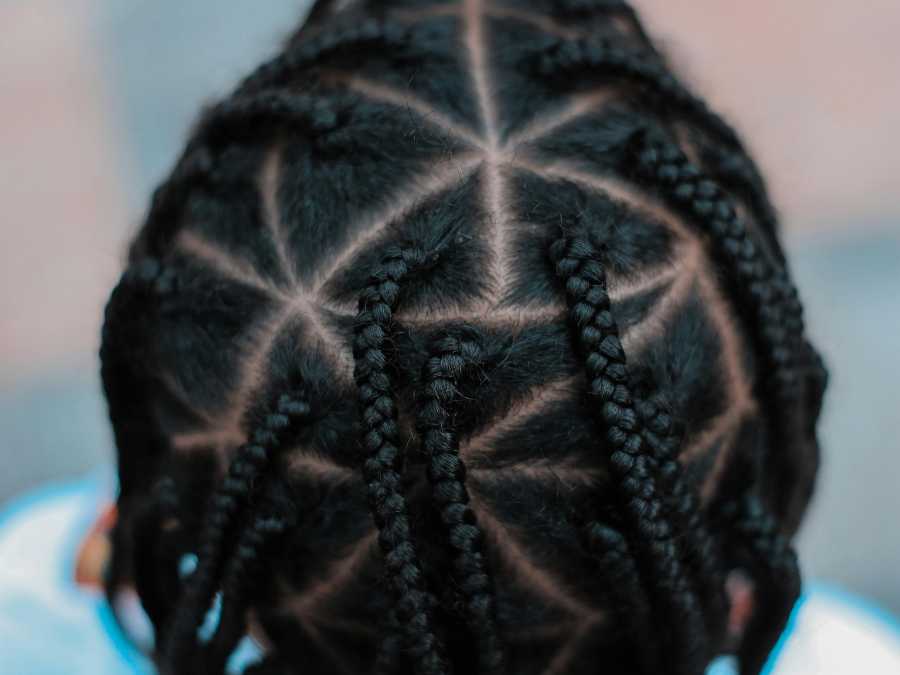
Children with fine hair have delicate strands that can break more easily.
Heavy extensions or very small, tight braids may place too much stress on the hair.
Choose lightweight styles with larger sections and avoid unnecessary tension.
Medium Hair
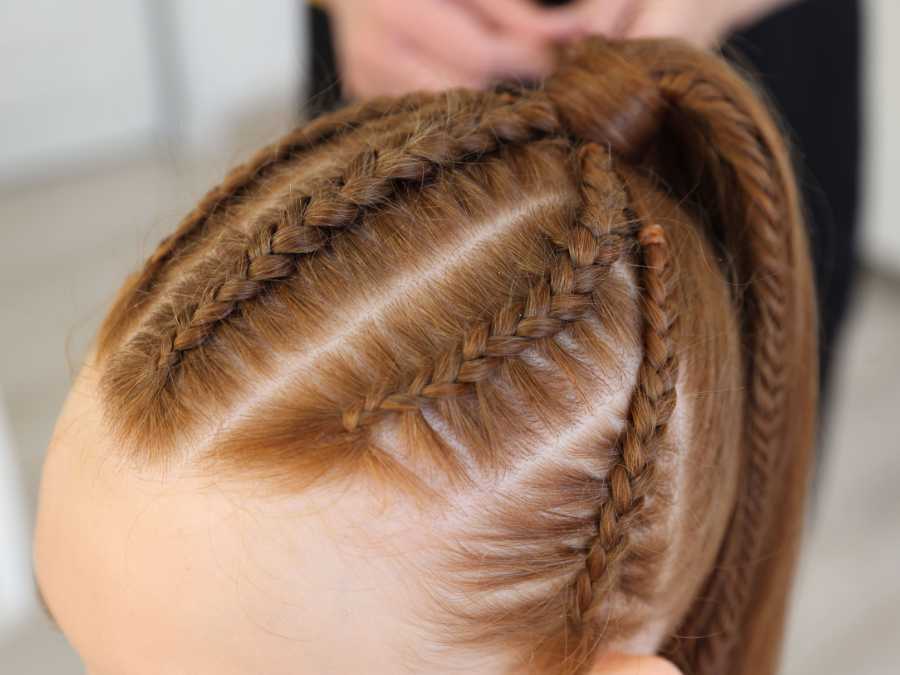
Medium-textured hair is often versatile and can wear a wide variety of protective styles comfortably when installed correctly.
Focus on keeping the style neat without braiding too tightly.
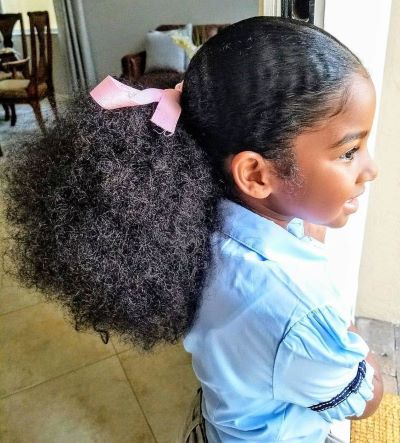
Thick Hair
Photocredithttps://pin.it/H7UnfFAxz
Thicker hair usually holds styles well but may require more time to wash, dry, and install.
Avoid creating styles that are overly bulky or too heavy, especially for younger children, as extra weight can strain the scalp.
Pay Attention to Your Child’s Scal
A healthy hairstyle starts with a healthy scalp.
Before choosing any protective style, check whether your child has:
- A sensitive scalp
- Dry patches
- Flaking
- Redness
- Tender spots
- Previous hairline damage
If your child often complains that hairstyles hurt or develops bumps after braiding, choose looser styles and let your hairstylist know that comfort should come before longevity.
Remember: Every Child Is Different
No two children have exactly the same hair. Even siblings can have completely different textures, curl patterns, and hair care needs.
Rather than following hairstyle trends, focus on choosing styles that keep your child comfortable, protect their hair from unnecessary damage, and fit their daily routine.
A hairstyle that supports healthy hair today is always a better choice than one that simply looks fashionable.
Consider Your Child’s Age Before Choosing a Protective Hairstyle
Age is one of the most important factors to consider when choosing a protective hairstyle.
A style that works well for an older child may not be suitable for a toddler, while a hairstyle designed for a younger child may not be practical for an active school-age child.
As children grow, their hair becomes stronger, their daily routines change, and they are often able to sit for longer styling sessions.
Choosing age-appropriate hairstyles helps keep your child comfortable while protecting their hair and scalp.
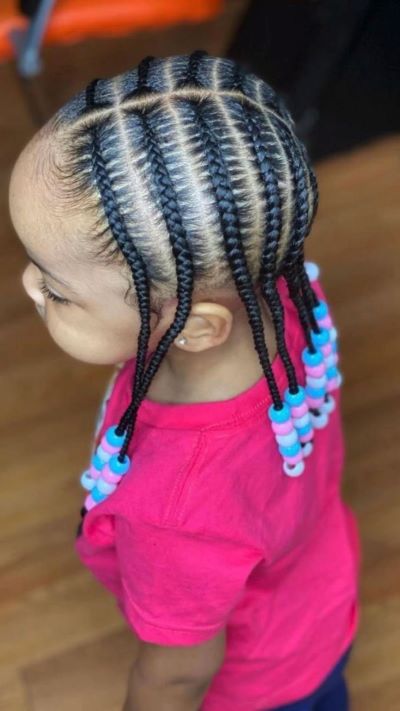
Protective Hairstyles for Toddlers (Ages 1–3)
Photocredithttps://pin.it/4AU5loH5f
Toddlers are naturally curious and active.
They spend much of their day crawling, running, climbing, and playing, which means their hairstyles need to be simple, lightweight, and comfortable.
At this age, children also have more delicate scalps and finer hair, so avoiding unnecessary tension is especially important.
Good hairstyle choices include:
- Simple cornrows
- Two-strand twists
- Mini puffs
- Braided pigtails
- Flat twists
- Soft ponytails with gentle accessories
Choose styles that can be completed in a shorter amount of time since toddlers often find it difficult to sit still for long periods.
Avoid:
- Heavy extensions
- Tight braids
- Very small braids that require hours to install
- Hairstyles that pull tightly around the hairline
The goal at this stage is comfort and healthy hair—not making the hairstyle last for several weeks.
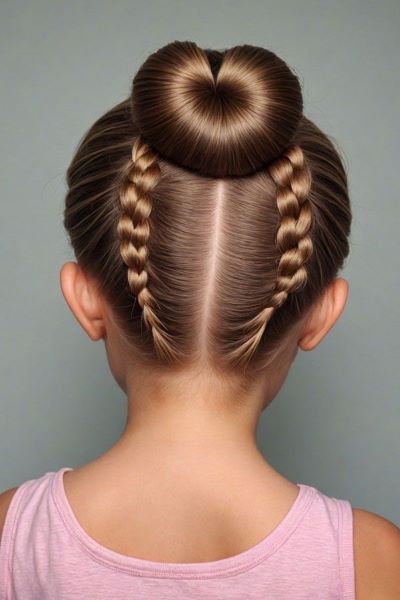
Protective Hairstyles for Preschoolers (Ages 4–5)
Photocredithttps://pin.it/5OZ3ToXg3
Preschoolers usually have thicker, longer hair than toddlers and can often sit a little longer during styling.
However, they still need hairstyles that allow them to play comfortably throughout the day.
This is a great age to introduce styles that stay neat while remaining gentle on the scalp.
Recommended hairstyles include:
- Neat cornrows
- Box braids (without heavy extensions)
- Flat twists
- Braided buns
- Ponytail braids
- Beaded braids (using lightweight beads)
If using beads, choose lightweight ones and make sure they are securely attached. Heavy beads can add unnecessary weight and cause discomfort.
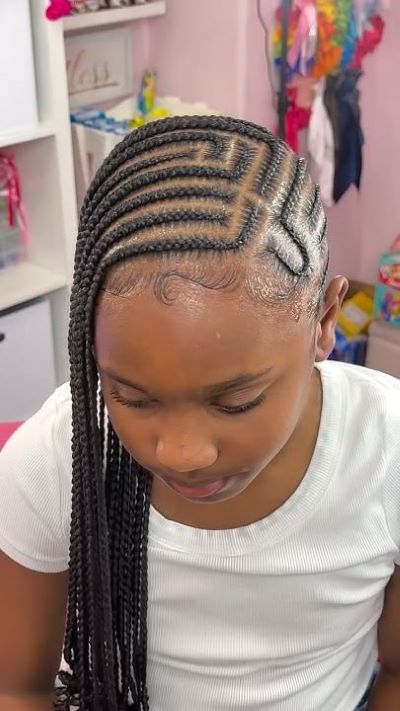
Protective Hairstyles for School-Age Children (Ages 6–12)
Photocredithttps://pin.it/7aAN7w0im
School-age children often participate in sports, dance, swimming, and other extracurricular activities.
Their hairstyles should be practical enough to handle an active lifestyle while remaining comfortable throughout the school week.
At this age, children are also more likely to have their own hairstyle preferences, so involving them in the decision can make hair care a more positive experience.
Some excellent options include:
- Cornrows with creative patterns
- Box braids
- Stitch braids
- Lemonade braids
- Two-strand twists
- Flat twist updos
- Halo braids
- Braided ponytails
If extensions are used, choose lightweight options and avoid making the braids excessively long or thick, as this can place unnecessary strain on the scalp and neck.
Consider Your Child’s Activity Level
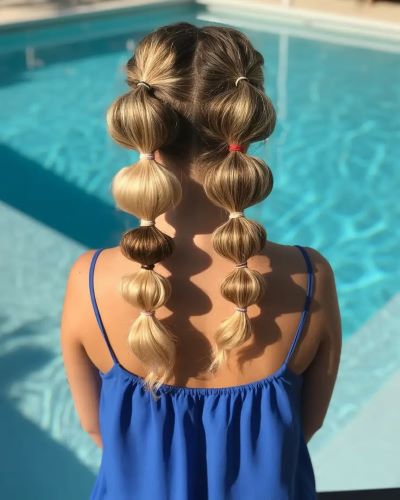
Photocredithttps://pin.it/3RdR8g458
Age is only part of the equation. Think about how your child spends their day.
Ask yourself:
- Do they play sports regularly?
- Do they swim often?
- Are they very active outdoors?
- Do they remove hair accessories throughout the day?
- Do they enjoy wearing hats or helmets?
Children who are constantly active often benefit from hairstyles that stay securely in place without needing frequent touch-ups.
For swimmers, hairstyles that are easy to wash and moisturize afterward are usually the most practical choice.
Listen to Your Child
As children get older, they begin to express their preferences about how they want their hair styled.
Whenever possible, involve them in choosing their hairstyle.
Ask questions like:
- Which style do you like best?
- Does this hairstyle feel comfortable?
- Is anything pulling too tightly?
- Would you like beads or simple braids?
Listening to your child helps build confidence, encourages positive hair care habits, and makes styling sessions a more enjoyable experience.
Comfort Should Always Come First
No matter your child’s age, a protective hairstyle should never cause pain. If your child complains of severe tightness, develops bumps around the hairline, or has difficulty sleeping because of the hairstyle, it may be too tight.
A beautiful hairstyle is never worth sacrificing your child’s comfort or the health of their hair.
Choosing gentle, age-appropriate styles today helps protect their scalp and encourages healthy hair growth for years to come.
Consider Your Child’s Lifestyle Before Choosing a Protective Hairstyle
Your child’s daily routine is just as important as their hair type when choosing a protective hairstyle.
A style that works perfectly for one child may be difficult to maintain for another simply because their lifestyles are different.
Before deciding on a hairstyle, think about how your child spends most of their time.
School schedules, sports, swimming, outdoor play, and even the weather can all affect how well a protective style holds up and how comfortable it remains.
By choosing a hairstyle that matches your child’s lifestyle, you’ll spend less time fixing hair and more time enjoying healthy, manageable styles.
For Children Who Attend School
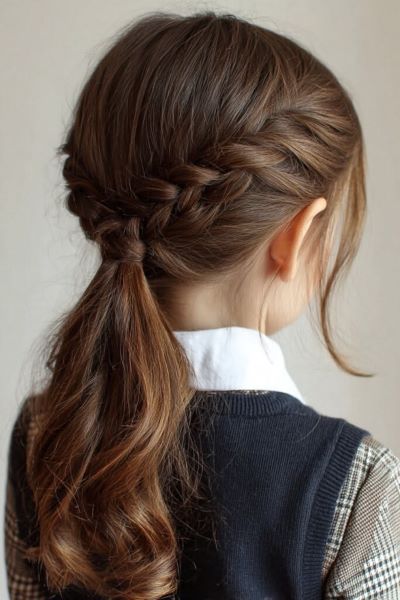
Photocredithttps://pin.it/2l7tGwVta
School mornings are often busy, and parents appreciate hairstyles that stay neat throughout the week.
Look for styles that:
- Stay secure during classroom activities and recess.
- Can be refreshed quickly if needed.
- Don’t block your child’s vision.
- Meet your school’s dress code, if applicable.
- Remain comfortable for long days.
Good choices include:
- Neat cornrows
- Flat twists
- Braided ponytails
- Medium-sized box braids
- Halo braids
These styles usually require only light daily maintenance, making mornings less stressful.
For Active Children and Sports Enthusiasts
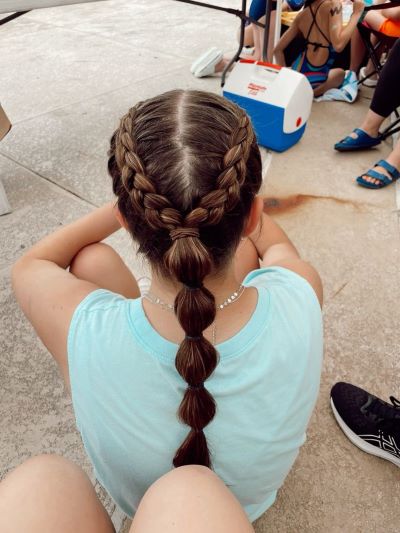
Photocredithttps://pin.it/4JNimsMkf
If your child enjoys soccer, gymnastics, basketball, dance, martial arts, or other physical activities, their hairstyle should stay secure during movement.
A good sports-friendly hairstyle should:
- Keep hair away from the face.
- Stay intact during running and jumping.
- Be lightweight.
- Be easy to refresh after practice.
Excellent options include:
- Straight-back cornrows
- Flat twists
- Braided buns
- Braided ponytails
- Low buns with braided sections
Avoid styles with excessive beads or heavy extensions that may swing during activity or become uncomfortable under helmets.
For Children Who Swim Regularly
Swimming is great exercise, but pool chemicals and salt water can leave hair feeling dry if it’s not cared for properly.
If your child swims often:
- Choose hairstyles that are easy to rinse and cleanse afterward.
- Moisturize the hair after swimming to replace lost moisture.
- Consider wearing a properly fitted swim cap when appropriate.
- Avoid leaving chlorine or salt water in the hair for long periods.
Cornrows, flat twists, and simple braids are often practical options because they are easier to wash and maintain after swimming.
For Children Who Love Outdoor Play
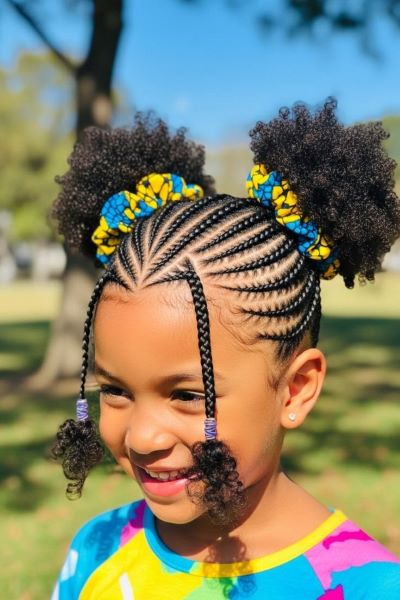
Photocredithttps://pin.it/7F9QvcGnn
Children who spend hours playing outside may be exposed to wind, dust, heat, and humidity.
Hairstyles that hold the hair securely help reduce tangles and make post-play cleanup easier.
Good options include:
- Cornrows
- Braided puffs
- Twists
- Braided buns
Check the scalp regularly, especially during warmer months, to ensure it stays clean and comfortable.
Think About the Weather
The season can also influence which protective hairstyle works best.
During warmer months:
- Choose lightweight styles that help keep your child cool.
- Avoid very heavy braids or thick extensions.
- Pay extra attention to scalp hygiene, as children may sweat more.
During colder months:
- Moisturize the hair more frequently to help combat dry indoor air.
- Protect the hair with hats lined with satin or silk when possible.
- Keep the ends of the hair tucked away to reduce friction from scarves and coats.
Adjusting your child’s hair care routine to the season can help keep their hair healthy all year round.
Consider Your Own Schedule Too
It’s also important to choose a hairstyle that fits your family’s routine.
Ask yourself:
- How much time can I realistically spend on hair each week?
- Am I comfortable maintaining this hairstyle at home?
- Will I need frequent salon visits?
- Does this style fit my budget?
A simpler hairstyle that you can maintain well is often a better choice than an elaborate style that’s difficult to care for.
The Best Protective Hairstyle Is One That Fits Your Child’s Life
There isn’t a single “perfect” protective hairstyle for every child.
The right choice depends on your child’s hair type, age, personality, daily activities, and your family’s routine.
When you choose a style that works with your child’s lifestyle instead of against it, you’ll find that hair care becomes easier, styling sessions are more enjoyable, and your child’s hair is more likely to stay healthy and comfortable.
Popular Protective Hairstyles for Kids
Protective hairstyles come in many styles, but not every option is suitable for every child.
The best hairstyle depends on your child’s hair type, age, activity level, and comfort.
Below are some of the most popular protective hairstyles for children, along with their benefits and the situations where they work best.
Cornrows
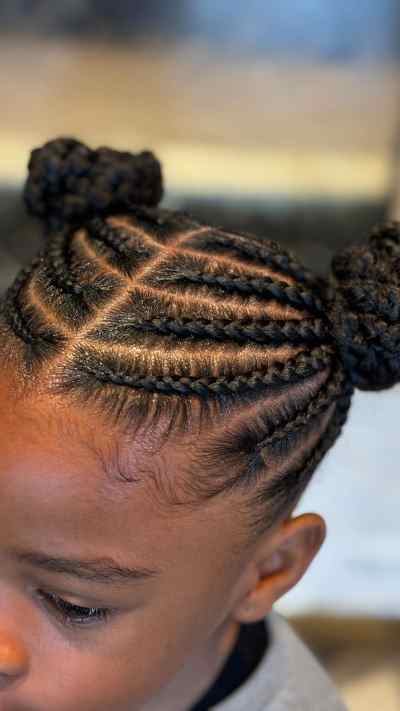
Photocredithttps://pin.it/fB1Rc63Xc
Cornrows are one of the most popular protective hairstyles for children.
The hair is braided close to the scalp in neat rows and can be styled in many creative patterns.
Best for:
- Straight, wavy, curly, and coily hair
- School-age children
- Active children
- Busy families looking for a low-maintenance style
Benefits:
- Keeps hair neat for days or weeks.
- Helps reduce daily styling time.
- Works well for sports and outdoor activities.
- Can be worn with or without beads.
Things to Consider:
Cornrows should never feel painfully tight. Tight braiding can place stress on the scalp and hairline, increasing the risk of discomfort and hair breakage.
Box Braids
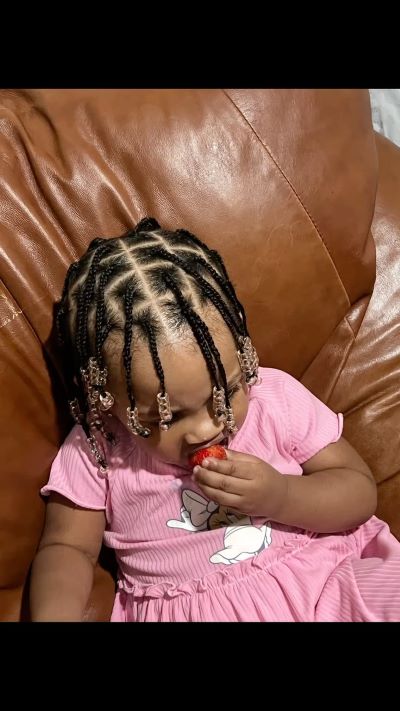
Photocredithttps://pin.it/6Wds8OEE1
Box braids are individual braids created using square or rectangular sections.
They can be done with the child’s natural hair or, for older children if appropriate, with lightweight extensions.
Best for:
- Curly and coily hair
- School holidays
- Older children who can comfortably manage a longer-lasting style
Benefits:
- Offers styling versatility.
- Helps reduce tangling.
- Can last several weeks with proper care.
- Easy to refresh with regular scalp care.
Things to Consider:
Avoid making the braids too long or too heavy, especially for younger children.
Excessive weight may cause unnecessary tension on the scalp and neck.
Two-Strand Twists
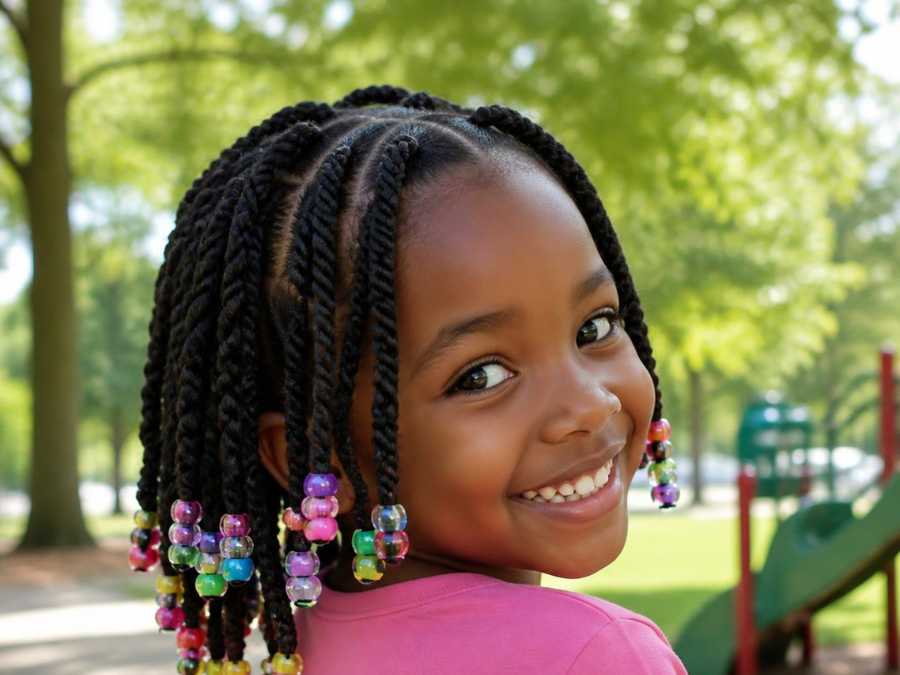
Two-strand twists are created by wrapping two sections of hair around each other.
They are gentle on the scalp and are one of the easiest protective styles to maintain.
Best for:
- Curly hair
- Coily hair
- Toddlers
- Preschoolers
- Children with sensitive scalps
Benefits:
- Lightweight and comfortable.
- Quick to install.
- Easy to moisturize.
- Can be worn loose or styled into buns and ponytails.
Things to Consider:
Twists may not last as long as braids on some hair textures, so occasional touch-ups may be needed.
Flat Twists
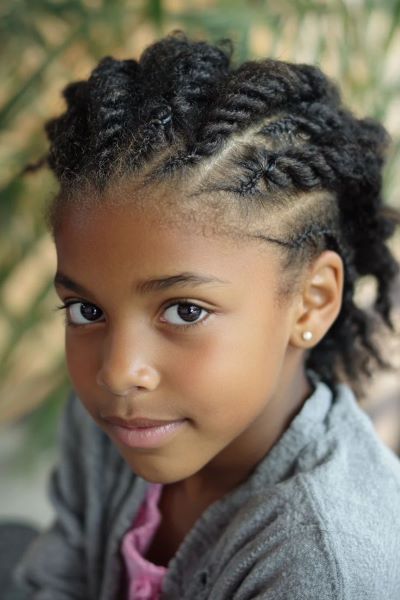
Photocredithttps://pin.it/20yt8y2j9
Flat twists are similar to cornrows, but instead of braiding three strands, they use two strands twisted closely against the scalp.
Best for:
- Curly hair
- Coily hair
- Children with fine or delicate hair
Benefits:
- Gentle on the hair.
- Easy to remove.
- Creates beautiful curl definition when taken down.
- Comfortable enough for younger children.
Things to Consider:
Flat twists may loosen more quickly than cornrows, especially on very smooth hair.
Bantu Knots
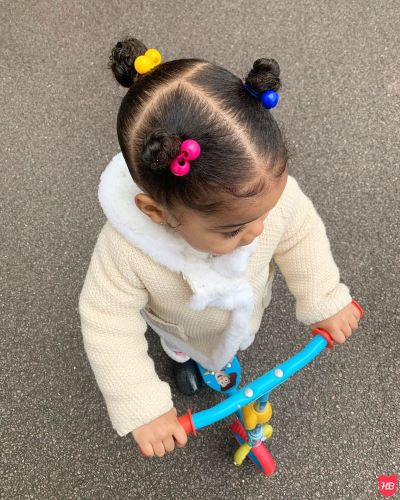
Photocredithttps://pin.it/bkrtgxYRj
Bantu knots involve dividing the hair into sections and twisting each section into a small knot.
Best for:
- Curly and coily hair
- Special occasions
- Short to medium-length hair
Benefits:
- Helps protect the ends of the hair.
- Can create beautiful curls when undone.
- Offers a unique and stylish look.
Things to Consider:
The knots should be comfortably secured without pulling tightly at the roots.
Braided Puffs
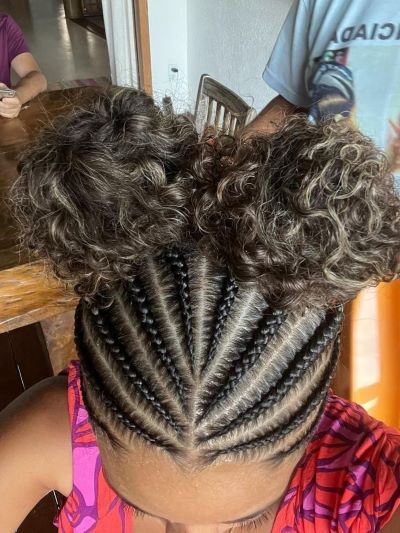
Photocredithttps://pin.it/4QDHkMI70
Braided puffs combine neat braids with one or more fluffy puffs, creating a playful hairstyle that’s especially popular with younger children.
Best for:
- Toddlers
- Preschoolers
- Curly and coily hair
Benefits:
- Cute and age-appropriate.
- Quick to style.
- Easy to maintain.
- Comfortable for everyday wear.
Things to Consider:
Keep the puff moisturized to prevent dryness, especially if it’s left exposed.
Halo Braids
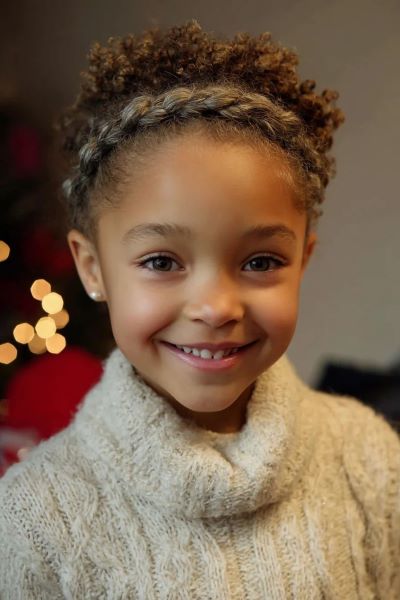
Photocredithttps://pin.it/4nrICeaT9
A halo braid wraps around the head like a crown, making it a beautiful choice for weddings, birthdays, holidays, and other special occasions.
Best for:
- Medium to long hair
- Older children
- Formal events
Benefits:
- Elegant appearance.
- Keeps hair neatly secured.
- Protects the ends of the hair.
- Lasts well for shorter events.
Things to Consider:
Halo braids may take longer to install, so ensure your child is comfortable throughout the styling process.
Stitch Braids
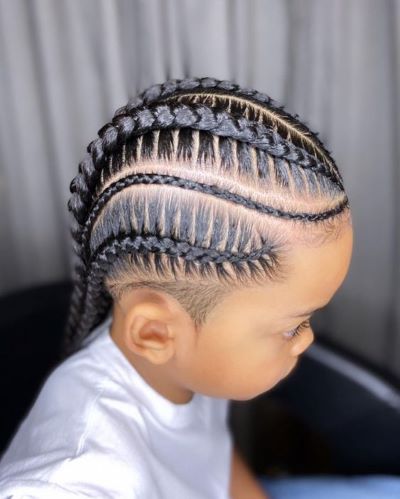
Photocredithttps://pin.it/1KL74e9EH
Stitch braids are a variation of cornrows with clean, defined sections that create a neat and polished appearance.
Best for:
- School-age children
- Curly and coily hair
- Special occasions
Benefits:
- Long-lasting.
- Stylish and versatile.
- Easy to accessorize with beads or ribbons.
Things to Consider:
Because stitch braids require very neat sectioning, it’s important to avoid excessive pulling during installation.
Which Protective Hairstyle Should You Choose?
If you’re still unsure, use this simple guide:
- Toddlers (1–3 years): Two-strand twists, braided puffs, simple cornrows, or flat twists.
- Preschoolers (4–5 years): Cornrows, flat twists, braided ponytails, or lightweight box braids.
- School-age children (6–12 years): Cornrows, box braids, stitch braids, halo braids, or two-strand twists, depending on their daily activities.
Remember, the best protective hairstyle is the one that keeps your child comfortable, protects their hair from unnecessary damage, and fits their lifestyle, not necessarily the one that’s trending on social media.
Signs a Protective Hairstyle Is Too Tight
A protective hairstyle should protect your child’s hair, not cause pain or damage.
While it’s normal for a new hairstyle to feel a little different for the first day, it should never be so tight that it causes significant discomfort or affects your child’s daily activities.
Unfortunately, many parents assume that a little pain is part of the process or that tighter braids will make the style last longer.
In reality, excessive tension can damage the hair, irritate the scalp, and even contribute to hair loss over time.
Knowing the warning signs of a hairstyle that is too tight can help you take action before lasting damage occurs.
Your Child Complains of Pain
One of the clearest signs is when your child says the hairstyle hurts.
Pay attention if your child:
- Cries during or after the appointment.
- Says their scalp feels sore.
- Avoids touching their head.
- Complains of pain when lying down or sleeping.
- Continues to experience discomfort more than a day after the hairstyle is finished.
Children may not always have the words to explain how they feel, so watch for changes in their behavior as well.
Small Bumps Around the Hairline
Tiny bumps along the forehead, temples, or back of the neck can indicate that the braids are pulling too tightly.
These bumps may be tender and can increase the risk of irritation or infection if not addressed.
If you notice bumps, avoid adding more tension to the hairstyle and monitor the area closely.
If the irritation becomes severe, worsens, or shows signs of infection, seek advice from a qualified healthcare professional.
Redness or Swelling
Healthy protective hairstyles should not leave the scalp red or swollen.
Redness may be a sign that the scalp is under too much tension or has become irritated during the styling process.
If swelling or redness does not improve or becomes more severe, it’s best to loosen or remove the hairstyle and seek professional advice if needed.
Hairline Looks Stretched
After braiding, your child’s hairline should still look natural.
If the skin around the forehead appears unusually tight or shiny, or if individual hairs are being pulled away from the scalp, the hairstyle is likely too tight.
Constant tension around the hairline can increase the risk of breakage and, over time, may contribute to traction alopecia, a type of hair loss caused by repeated pulling on the hair.
Difficulty Sleeping
Children should be able to sleep comfortably with a protective hairstyle.
If your child:
- Has trouble lying on a pillow.
- Wakes up because of scalp pain.
- Avoids resting their head.
- Cries when turning over in bed.
the hairstyle may be placing too much pressure on the scalp.
Comfort should always come before making a hairstyle last longer.
Headaches After Braiding
Some children may develop headaches shortly after a hairstyle is installed because of excessive tension on the scalp.
While a mild feeling of tightness may ease within a short time, persistent headaches should not be ignored.
If your child continues to experience headaches or significant discomfort, consider loosening or removing the hairstyle.
What Should You Do If a Hairstyle Is Too Tight?
If you think your child’s hairstyle is too tight, don’t feel that you have to leave it in because you spent time or money having it done.
You can:
- Gently loosen the tightest braids if possible.
- Remove a few braids around the hairline to relieve pressure.
- Apply a cool, damp cloth to the scalp if it feels sore.
- Encourage your child not to scratch irritated areas.
- Contact the hairstylist if adjustments can be made safely.
- Remove the hairstyle completely if the pain is severe or does not improve.
Protecting your child’s scalp is always more important than preserving the hairstyle.
How to Prevent Tight Hairstyles
The best way to avoid problems is to prevent excessive tension from the start.
Here are a few simple tips:
- Tell your hairstylist that your child’s comfort is your top priority.
- Choose styles that suit your child’s age and hair thickness.
- Avoid installing very small braids that require excessive pulling.
- Limit the use of heavy extensions, especially for younger children.
- Check with your child during the styling process to make sure they feel comfortable.
- Examine the hairline and scalp once the hairstyle is finished before leaving the salon.
A protective hairstyle should leave your child feeling confident and comfortable, not in pain.
Remember: Healthy Hair Starts with a Healthy Scalp
No hairstyle is worth risking your child’s scalp health.
Choosing gentle techniques, paying attention to signs of discomfort, and acting quickly if something doesn’t seem right can help prevent unnecessary breakage and keep your child’s hair healthy in the long run.
When in doubt, choose comfort over longevity.
A hairstyle that lasts a little less time but keeps your child’s hair and scalp healthy is always the better choice.
How Long Should Children Keep Protective Hairstyles?
One of the most common questions parents ask is, “How long should my child keep their protective hairstyle?” The answer depends on several factors, including the type of hairstyle, your child’s hair type, how well the style is maintained, and the condition of the scalp.
While it may be tempting to leave a hairstyle in for as long as possible, keeping it in too long can lead to dryness, product buildup, tangling at the roots, and unnecessary breakage.
A protective hairstyle should protect the hair—not become a source of damage.
Factors That Affect How Long a Style Should Stay In
There isn’t a one-size-fits-all timeline. Consider the following:
- Your child’s age: Younger children often benefit from shorter wear times because their scalps are more delicate and they may be more active.
- The hairstyle: Some styles naturally last longer than others.
- Hair growth: As new hair grows, the style becomes looser and may require removal.
- Scalp condition: Itching, buildup, or irritation may mean it’s time to take the style down sooner.
- Maintenance: Regular moisturizing and gentle scalp care can help keep a style looking fresh for longer.
General Wear Time Guidelines
These are general recommendations. Your child’s comfort and scalp health should always come first.
| Hairstyle | Typical Wear Time |
| Simple cornrows | 1–3 weeks |
| Flat twists | 1–2 weeks |
| Two-strand twists | 2–4 weeks |
| Box braids | 3–6 weeks |
| Braided puffs | Up to 1 week |
| Halo braid | Several days to 1 week |
| Stitch braids | 2–4 weeks |
These timeframes can vary depending on your child’s hair growth, activity level, and how well the hairstyle is maintained.
Signs It’s Time to Remove the Hairstyle
Don’t rely only on the calendar. Your child’s hair and scalp will often tell you when it’s time for the style to come out.
Look for signs such as:
- Excessive frizz or loose braids.
- Significant new hair growth at the roots.
- Dry or brittle hair.
- Product buildup on the scalp.
- Persistent itching that doesn’t improve after gentle cleansing.
- Tangling or matting near the roots.
- A hairstyle that no longer feels secure or comfortable.
Removing the style at the right time helps prevent unnecessary breakage and makes detangling much easier.
Don’t Rush Into the Next Protective Style
After removing a protective hairstyle, give your child’s hair some attention before installing another one.
A healthy transition includes:
- Gently taking down the style without pulling on the hair.
- Detangling carefully, starting from the ends and working toward the roots.
- Washing the hair and scalp to remove dirt and product buildup.
- Applying a moisturizing conditioner.
- Moisturizing and sealing the hair if that fits your routine.
- Allowing the scalp to rest if it feels tender before installing another long-term style.
This routine helps restore moisture and prepares the hair for the next hairstyle.
Can Protective Hairstyles Be Worn Back-to-Back?
Yes, they can—but only if your child’s hair and scalp are healthy.
Before installing another protective style, check for:
- Hairline breakage.
- Scalp tenderness.
- Dryness.
- Flaking.
- Excessive shedding.
If you notice any of these issues, focus on gentle hair care and give the hair time to recover before braiding again.
Healthy Hair Is More Important Than Long-Lasting Styles
It’s understandable to want a hairstyle to last as long as possible, especially after investing time and money.
However, extending a style beyond what your child’s hair can comfortably handle may do more harm than good.
Instead of asking, “How can I make this hairstyle last another two weeks?” ask, “Is this hairstyle still protecting my child’s hair?” That simple shift in thinking can help you make decisions that support healthier hair in the long run.
Remember, protective hairstyles are most effective when they are installed gently, maintained properly, and removed at the right time.
Healthy hair and a comfortable scalp are always the best indicators that you’re on the right track.
How to Care for Your Child’s Hair While Wearing Protective Styles
Installing a protective hairstyle is only the beginning.
To keep your child’s hair healthy, it’s important to continue caring for both the hair and the scalp while the style is in place.
A common misconception is that protective styles require no maintenance.
In reality, neglecting the hair during this period can lead to dryness, product buildup, itching, and breakage.
Here are some simple ways to keep your child’s hair healthy while wearing protective styles.
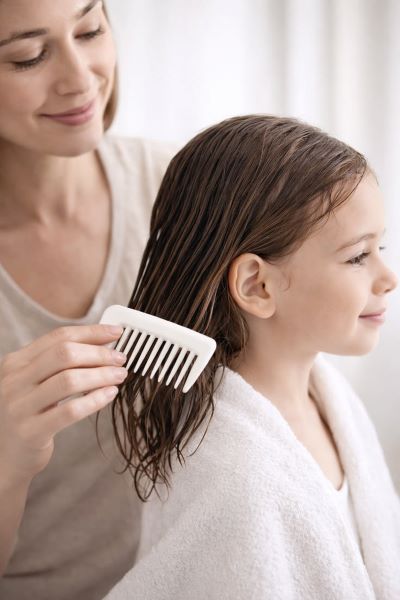
1. Moisturize Regularly
Photocredithttps://pin.it/1gZl9EkOC
Children’s hair, especially curly and coily hair, still needs moisture even when braided or twisted.
Use a child-friendly leave-in conditioner or a lightweight moisturizing spray a few times each week, paying special attention to the length of the hair and the ends if they are exposed.
Avoid soaking the hairstyle, as too much product can cause buildup.
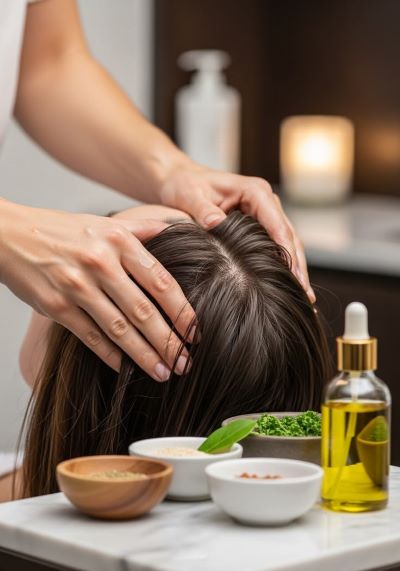
2. Keep the Scalp Clean
Photocredithttps://pin.it/46Rqhu0Rh
A clean scalp creates a healthier environment for growing hair.
If your child’s scalp becomes sweaty or dirty, gently cleanse it using a mild shampoo or a damp cloth, depending on the hairstyle.
Avoid scratching the scalp with fingernails, as this can cause irritation.
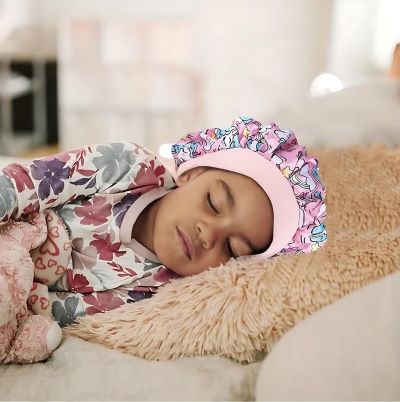
3. Protect Hair While Sleeping
Photocredithttps://pin.it/6CVFuTt41
Nighttime protection helps reduce friction and keeps hairstyles looking neat for longer.
Consider using:
- A satin bonnet
- A satin scarf
- A satin pillowcase
These options help reduce moisture loss and minimize frizz compared with cotton fabrics.
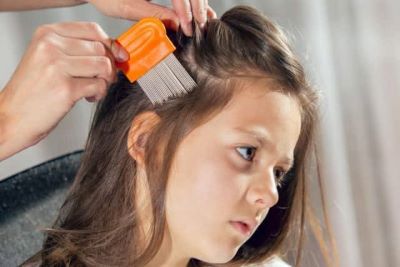
4. Check the Hairline Regularly
Photocredithttps://pin.it/1yMVnJV66
Take a few moments every few days to inspect your child’s hairline.
Look for:
- Redness
- Tiny bumps
- Broken hairs
- Excessive tension
- Dryness
Catching small problems early can prevent more serious damage.
5. Encourage Gentle Habits
Teach your child to avoid:
- Pulling on their braids or twists.
- Constantly touching the hairstyle.
- Removing beads or accessories.
- Scratching the scalp excessively.
Simple habits like these help protective styles last while protecting the hair.
6. Don’t Ignore Signs of Discomfort
If your child says the hairstyle hurts, listen.
Pain, persistent itching, swelling, or unusual hair loss should never be ignored.
Removing a hairstyle early is far better than risking long-term damage to the hair or scalp.
Common Mistakes Parents Should Avoid
Even with the best intentions, it’s easy to make small mistakes that can affect your child’s hair health.
Here are some of the most common ones.
Choosing a Hairstyle Only Because It’s Trendy
A hairstyle that looks beautiful on social media may not be suitable for your child’s age, hair type, or activity level.
Always choose what works best for your child—not just what is popular.
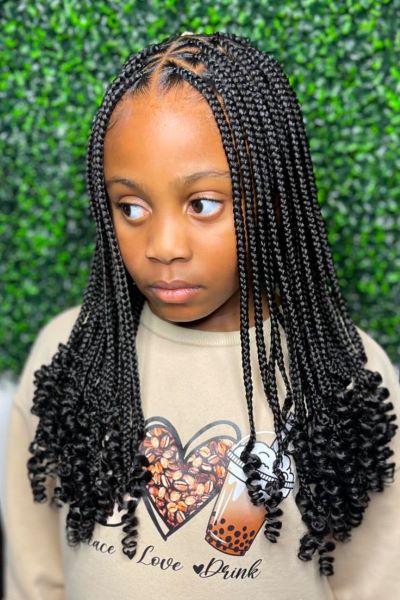
Braiding Too Tightly
Photocredithttps://pin.it/67b0IsxoB
Tight braids don’t necessarily last longer.
Instead, they increase the risk of:
- Hair breakage
- Hairline damage
- Scalp irritation
- Discomfort
Comfort should always come first.
Leaving Styles in Too Long
Protective styles are temporary.
Waiting until the hair is severely tangled or the scalp is uncomfortable makes removal much harder and may lead to unnecessary breakage.
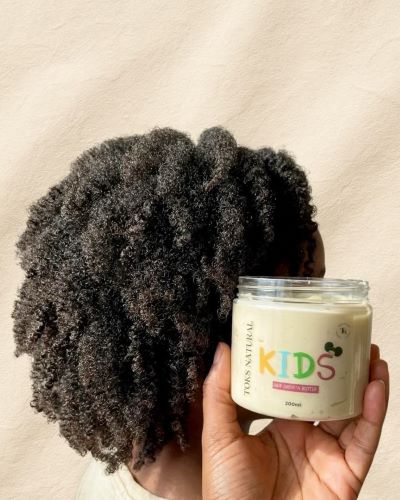
Forgetting to Moisturize
Photocredithttps://pin.it/6k4AUsWQE
Hair can still become dry while braided.
Regular moisturizing helps keep strands flexible and less prone to breakage.
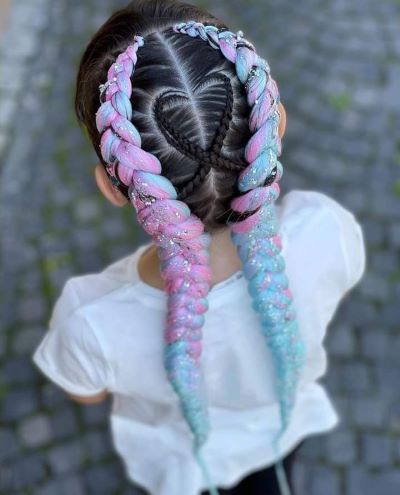
Using Heavy Extensions on Young Children
Photocredithttps://pin.it/3B5vpKcHA
Heavy braiding hair can place unnecessary strain on a child’s developing scalp.
Whenever possible, keep hairstyles lightweight, especially for toddlers and younger children.
Skipping Wash Day
Protective styles don’t eliminate the need for a clean scalp.
Keeping the scalp clean helps reduce buildup, itching, and unpleasant odors.
Ignoring Your Child’s Feedback
If your child repeatedly says a hairstyle hurts, don’t dismiss their concerns.
Children deserve hairstyles that are both beautiful and comfortable.
Listening to them helps build positive hair care experiences that can last a lifetime.
Frequently Asked Questions
Do protective hairstyles make children’s hair grow faster?
No. Hair growth happens naturally from the scalp.
Protective hairstyles help reduce breakage, allowing children to retain more of the hair they naturally grow.
How often should I moisturize my child’s hair in protective styles?
This depends on your child’s hair type and the climate, but many children benefit from moisturizing several times a week using lightweight, child-friendly products.
Are protective hairstyles suitable for all hair types?
Yes. Protective hairstyles can work for straight, wavy, curly, and coily hair.
The key is choosing styles that suit your child’s texture, thickness, and lifestyle.
Should protective hairstyles hurt?
No. A little tightness may be noticeable immediately after styling, but pain, headaches, swelling, or bumps are signs that the hairstyle may be too tight.
Can my child swim with protective hairstyles?
Yes. After swimming, rinse the hair when possible and moisturize it to help replace moisture lost through exposure to chlorine or salt water.
What is the best protective hairstyle for toddlers?
Simple cornrows, two-strand twists, braided puffs, and flat twists are often comfortable, lightweight choices for younger children.
Is it okay to use extensions?
If extensions are used, they should be lightweight and appropriate for your child’s age. Avoid heavy or overly long extensions, especially for younger children.
How can I help my child enjoy hair day?
Choose comfortable hairstyles, allow breaks during styling if needed, be gentle while detangling, and involve your child in choosing age-appropriate styles whenever possible.
Key Takeaways
- The best protective hairstyle depends on your child’s hair type, age, lifestyle, and comfort.
- Protective hairstyles help reduce breakage by minimizing daily manipulation.
- Healthy hair begins with a healthy scalp.
- Never leave a hairstyle in simply because it still looks neat.
- Moisturizing, gentle cleansing, and nighttime protection are essential.
- Pain is never a normal part of protective styling.
- Lightweight, age-appropriate hairstyles are often the healthiest choice.
- Comfort should always take priority over appearance.
Choosing the right protective hairstyle for your child is about much more than creating a neat appearance, it’s about supporting healthy hair habits that can last a lifetime.
By understanding your child’s unique hair type, considering their age and daily activities, and choosing styles that are comfortable rather than overly tight, you can help reduce breakage, simplify your hair care routine, and make styling a more positive experience for everyone involved.
Remember that protective hairstyles work best when paired with gentle maintenance, regular moisturizing, a clean scalp, and timely removal.
Every child is different, so don’t be afraid to adjust your routine based on what keeps your child’s hair healthy and comfortable.
At Kiddies Hair Hub, our goal is to help parents make informed decisions with practical, trustworthy advice.
Whether you’re trying protective styles for the first time or looking to improve your current routine, healthy hair starts with gentle care, patience, and choosing what works best for your child.
We invite you to explore more articles on Kiddies Hair Hub for step-by-step hairstyle tutorials, hair care routines, product recommendations, and expert tips designed to make caring for children’s hair easier and more enjoyable.
Leave a Reply