How to Detangle Children’s Hair Without Tears: A Gentle Guide for Parents
The best way to detangle children’s hair is to work on damp, conditioned hair, divide it into small sections, and gently remove knots starting from the ends and working upward.
Most importantly, patience and the right technique can make detangling more comfortable and reduce breakage.https://kiddieshairhub.com/wp-admin/post.php?post=33&action=edit
TABLE OF CONTENTS
- Why Children’s Hair Gets Tangled
- Why Some Children Hate Wash Day
- When Is the Best Time to Detangle?
- Tools That Make Detangling Easier
- Step-by-Step Detangling Routine
- How to Handle Stubborn Knots
- Common Detangling Mistakes
- Tips for Making Wash Day Easier
- Parent Checklist
- FAQs
- Conclusion
INTRODUCTION
For many families, wash day can feel like the most difficult part of hair care.
In fact, some children begin to cry the moment they see a comb, while others immediately ask, “Are you going to do my hair today?”
If this sounds familiar, you’re certainly not alone.
Many parents struggle with detangling because their child’s hair seems to knot easily, and as a result, every wash day turns into a stressful experience.
However, detangling does not have to be painful.
With the right approach, it can become a much calmer and more positive experience for both parents and children.
The truth is that children’s hair naturally tangles because of daily activities such as sleeping, playing, running, and even wearing hats.
Furthermore, curly and coily hair textures can tangle more easily because the strands naturally wrap around one another.
The good news, however, is that a few simple habits can make a huge difference.https://pin.it/4SdhYUwjr
WHY CHILDREN’S HAIR GETS TANGLED
Understanding why tangles happen can help parents prevent them.
1. Dry Hair
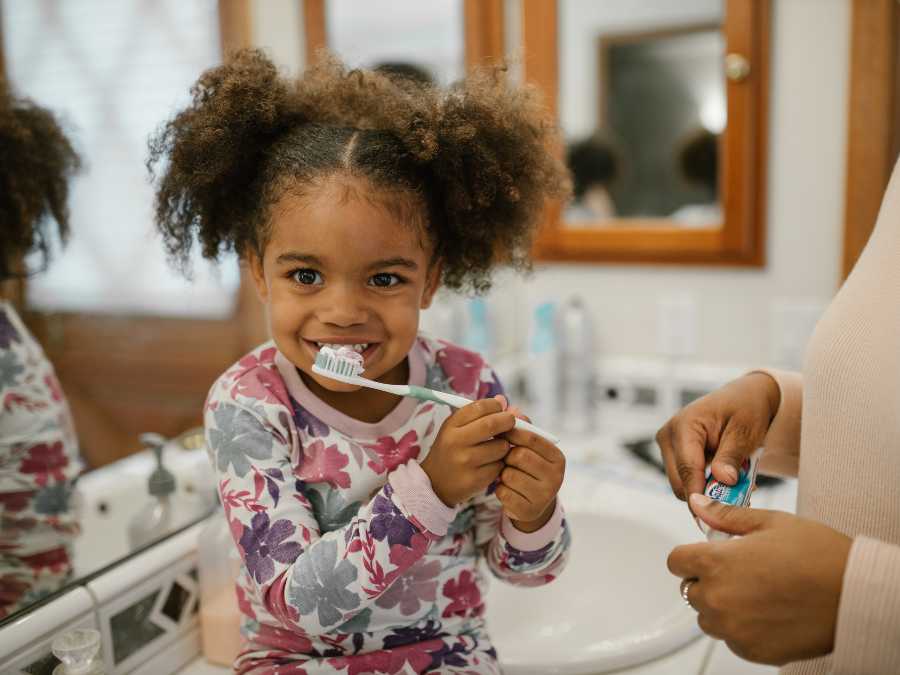
First of all, dry hair tends to knot much more easily than moisturized hair.
When the hair lacks moisture, the strands rub against one another and become tangled.
2. Sleeping
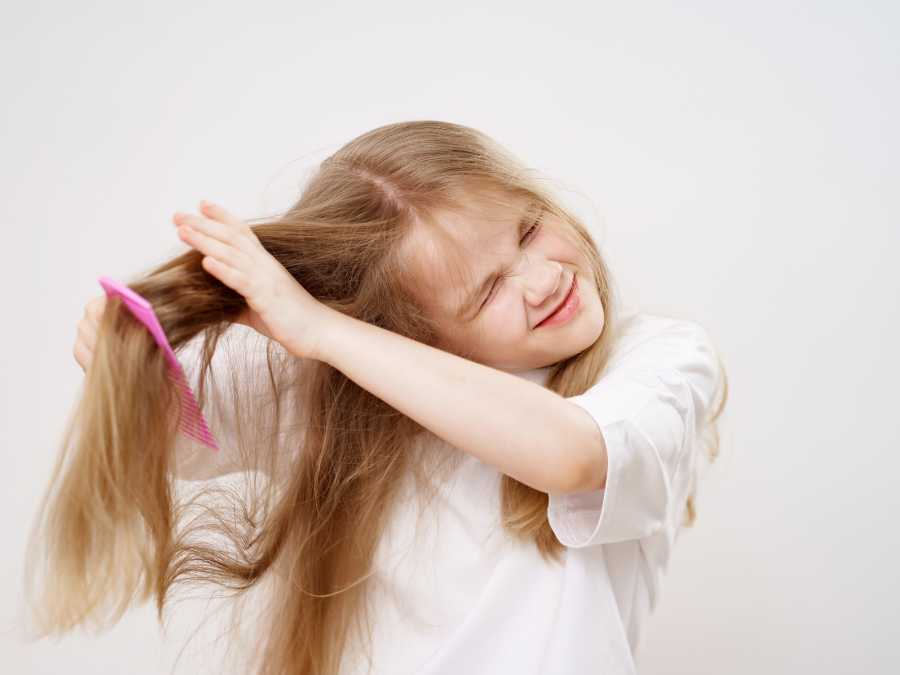
During sleep, children move around quite a lot. Consequently, their hair can become matted or tangled by morning.
3. Active Play

Children are naturally active.
They run, jump, roll around, and play outside.
Therefore, their hair experiences a lot of movement throughout the day.
4. Swimming

Photocredithttps://pin.it/6u0e58Qpz
Swimming can sometimes leave hair feeling dry or tangled, especially if it isn’t cleansed and moisturized afterward.
5. Leaving Hairstyles In Too Long
Photocredithttps://pin.it/2jmPxYdRE
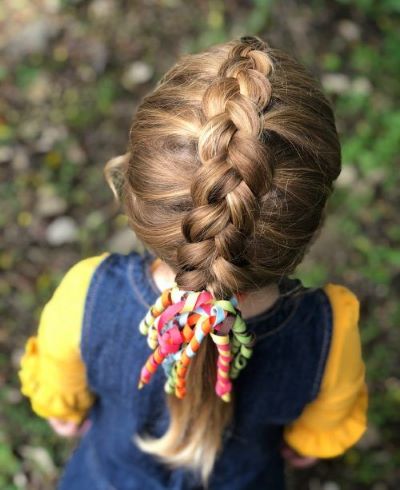
Although protective styles are helpful, keeping them in for too long may lead to tangling at the roots.
DID YOU KNOW?
Small tangles are completely normal.
In fact, the goal isn’t to prevent every knot.
Instead, it’s to manage tangles gently before they become difficult to remove.
WHY SOME CHILDREN HATE WASH DAY
Photocredithttps://pin.it/1ct8AxAha
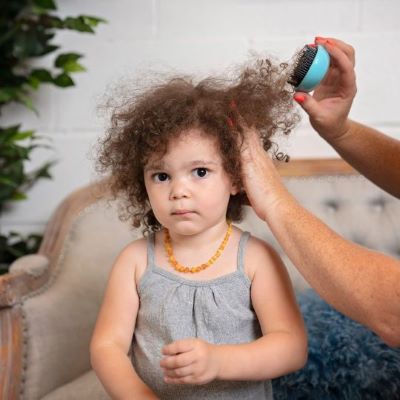
Many children dislike hair care for one simple reason:
It has been uncomfortable in the past.
For example, if a child has experienced painful detangling, they may begin to associate wash day with discomfort.
As a result, they may:
- Avoid sitting still
- Cry during detangling
- Feel anxious about hair care
- Become frustrated before the process even begins
Therefore, creating gentle hair care experiences is just as important as the hairstyle itself.
KIDDIES HAIR HUB PARENT CORNER
Sometimes the biggest change you can make isn’t buying another product.
Instead, it’s slowing down.
Children often remember how hair care made them feel.
Therefore, gentle detangling can help build positive memories and encourage cooperation during future wash days.
WHEN IS THE BEST TIME TO DETANGLE?
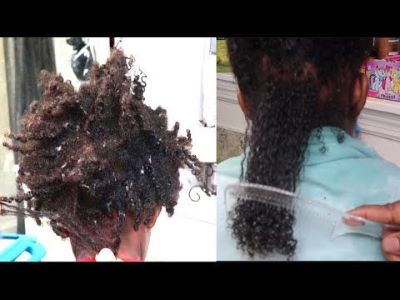
Photocredithttps://pin.it/3bHc5eGyW
Generally, detangling is easier when the hair is:
Damp
Conditioned
Divided into sections
Free from rushing or distractions
On the other hand, trying to detangle very dry hair can increase discomfort and may lead to unnecessary breakage.
TOOLS THAT CAN MAKE DETANGLING EASIER
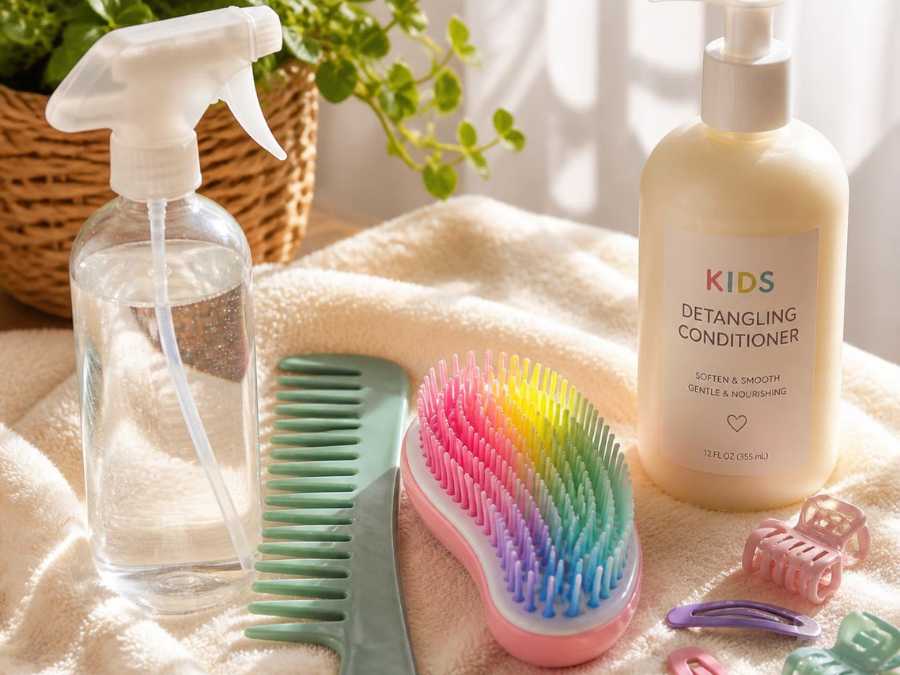
You don’t need a drawer full of tools. However, having a few essentials can make the process much smoother.
Helpful Tools:
- Spray bottle with water
- Wide-tooth comb
- Detangling brush
- Conditioner
- Hair clips
- Soft towel
Remember, the technique matters more than the tool itself.
STEP-BY-STEP DETANGLING ROUTINE
Step 1: Prepare the Hair
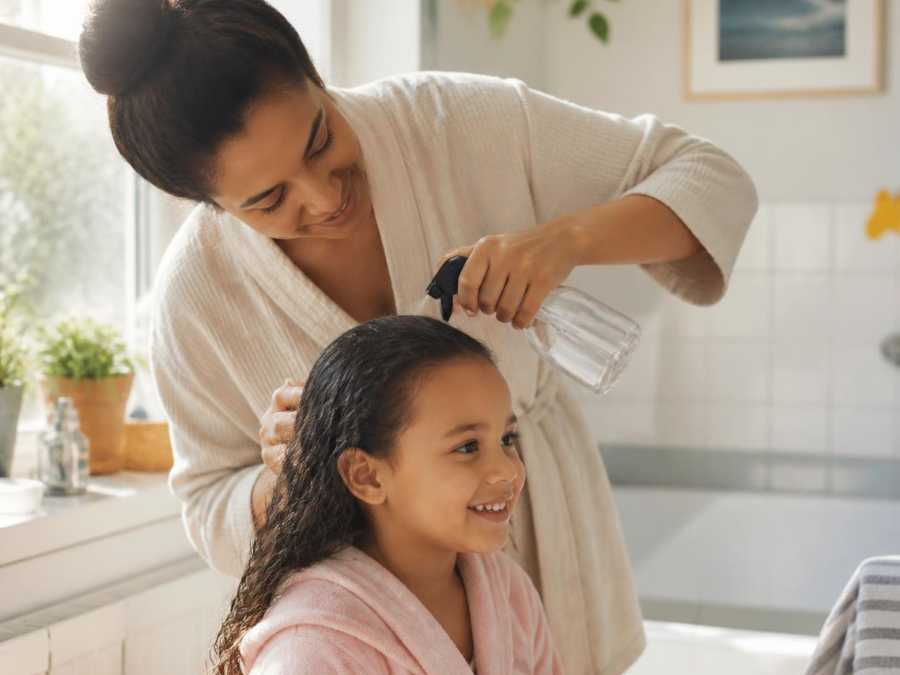
First, lightly dampen the hair with water.
Moist hair is generally easier to work with than completely dry hair.
Step 2: Apply Conditioner
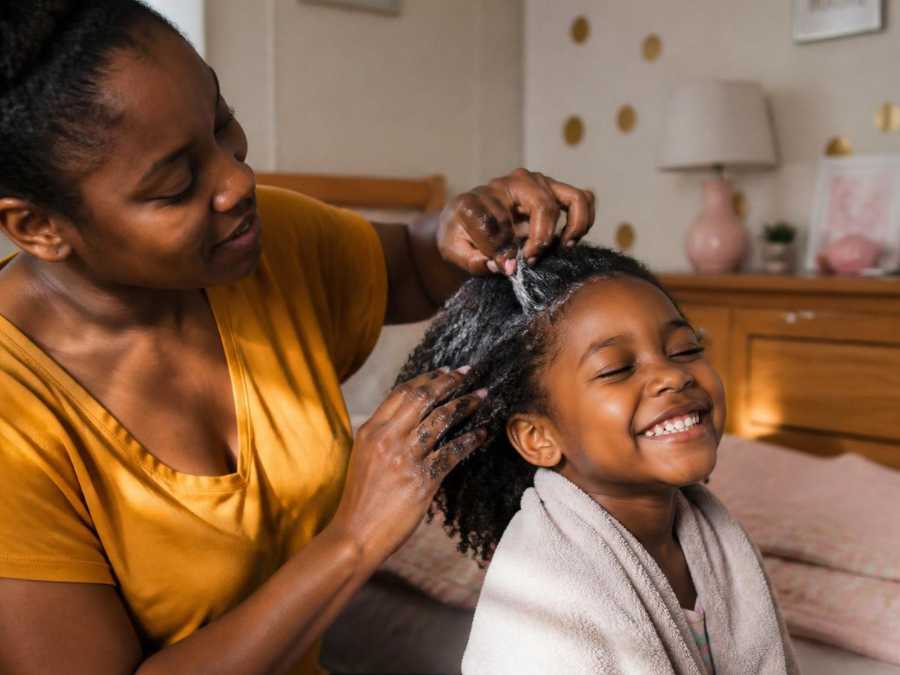
Next, apply conditioner to help create slip.
As a result, the strands can move more freely, making knots easier to remove.
Step 3: Divide the Hair Into Sections
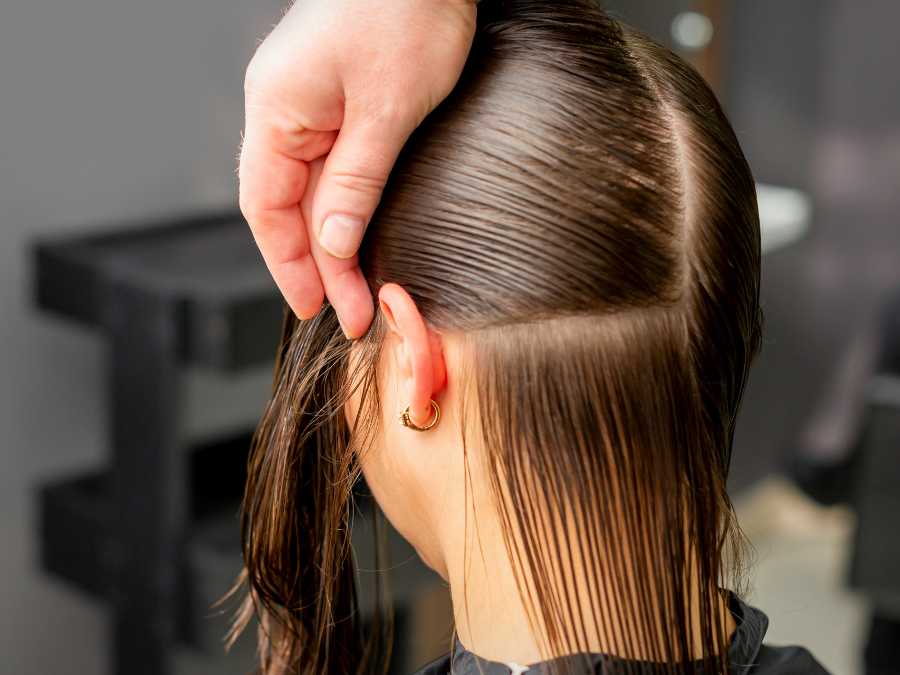
Then, separate the hair into smaller sections.
This step is especially important because trying to detangle all the hair at once can feel overwhelming.
Step 4: Start at the Ends
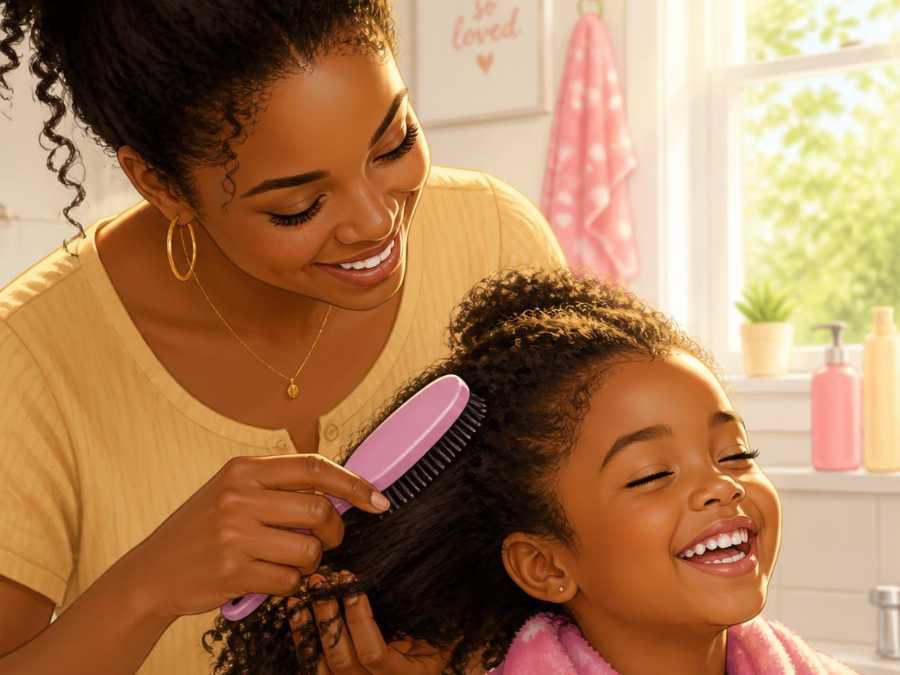
Begin gently at the ends of the hair.
Once the ends are detangled, gradually move upward toward the roots.
This method often feels more comfortable and can help reduce breakage.
Step 5: Hold the Hair Near the Scalp
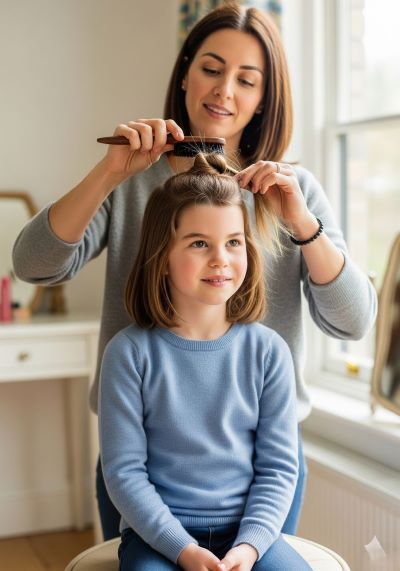
Photocredithttps://pin.it/1ByeC5ZRT
While detangling, gently hold the section near the scalp.
This helps reduce pulling and makes the experience less painful for your child.
Step 6: Take Breaks If Needed
Finally, remember that you don’t need to finish everything in one sitting.
If your child becomes tired or upset, taking a short break may actually make the process easier.
HOW TO HANDLE STUBBORN KNOTS AND MATTED HAIR
No matter how careful you are, there may be times when your child’s hair develops a stubborn knot or even a small matted section.
Fortunately, this does not automatically mean you need to cut the hair.
Instead, the key is to stay calm and work slowly.
Step 1: Add More Moisture
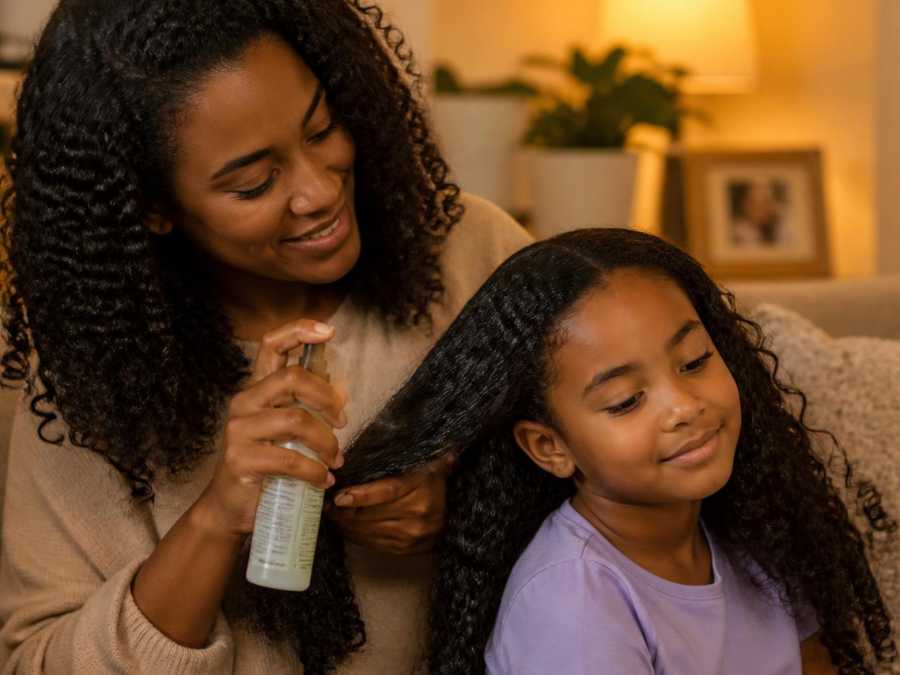
First, lightly spray the area with water and apply a generous amount of conditioner.
This is important because dry hair is usually much harder to detangle.
Then, allow the conditioner to sit on the hair for a few minutes before you begin working on the knot.
Step 2: Use Your Fingers First
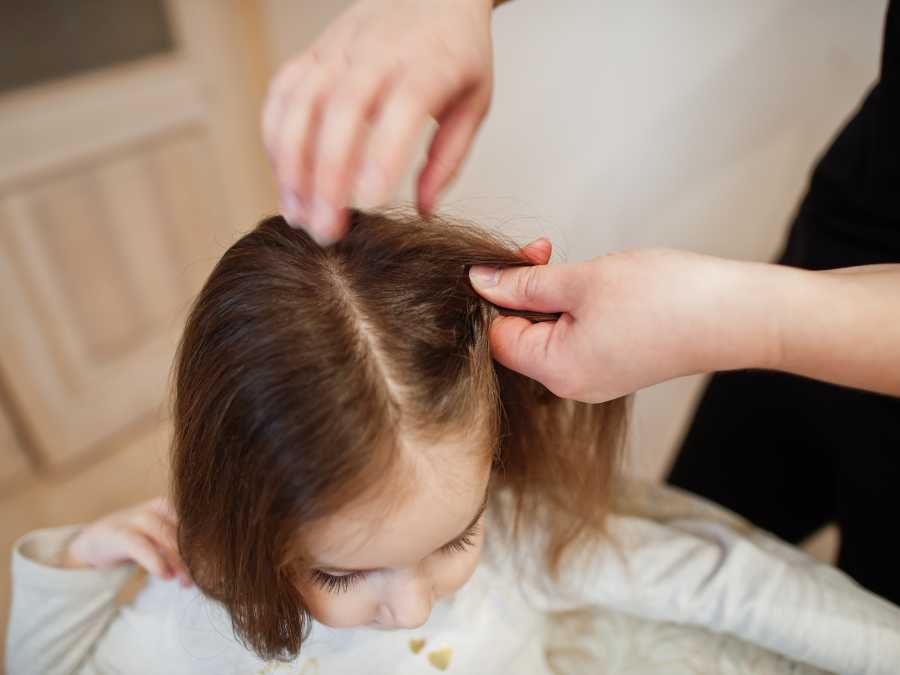
Next, try to gently separate the strands using your fingers.
Although it may take longer, finger detangling often causes less breakage than immediately reaching for a comb.
In addition, your fingers can help you feel where the knot begins and ends.
Step 3: Work From the Outside of the Knot

Photocredithttps://pin.it/7JciQx6eh
Instead of pulling directly through the center of the tangle, slowly loosen the outer strands first.
As a result, the knot gradually becomes easier to remove.
Step 4: Be Patient
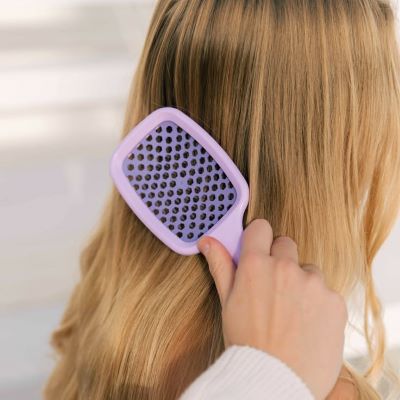
Potocredithttps://pin.it/6NZG6mYU4
This is perhaps the most important step.
Rushing through a knot can turn a small tangle into unnecessary breakage.
Therefore, give yourself enough time and remember that gentle handling is usually more effective than force.
WHAT IF THE HAIR IS SEVERELY MATTED?
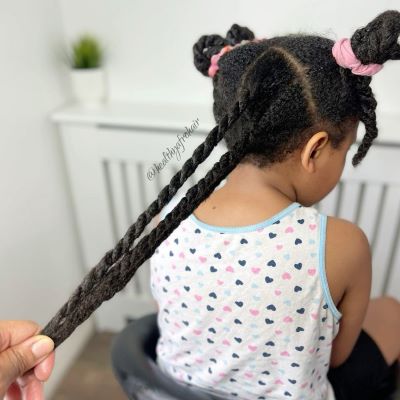
Photocredithttps://pin.it/4ACBwJjc3
Sometimes hair becomes heavily tangled because:
- A hairstyle was left in too long.
- The hair was not detangled regularly.
- The child has been ill or unable to follow their usual routine.
- The hair became extremely dry.
In these situations, start with:
Water
Conditioner
Finger detangling
Small sections
However, if the matting is severe, it may be helpful to seek assistance from an experienced hairstylist who is familiar with children’s natural hair.
COMMON DETANGLING MISTAKES PARENTS MAKE
Even with the best intentions, certain habits can make detangling more difficult.
Mistake #1: Detangling Completely Dry Hair
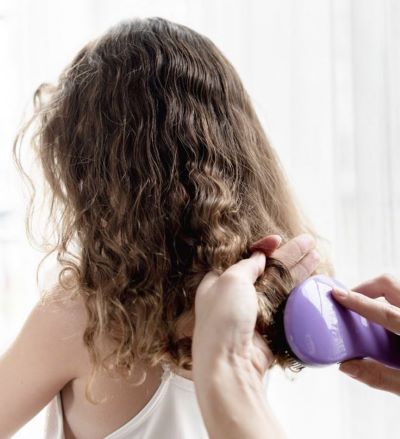
Photocredithttps://pin.it/5LnWZm0QM
Dry hair is often less flexible.
As a result, it may be more prone to breakage.
Whenever possible, work on damp or conditioned hair instead.
Mistake #2: Starting at the Roots
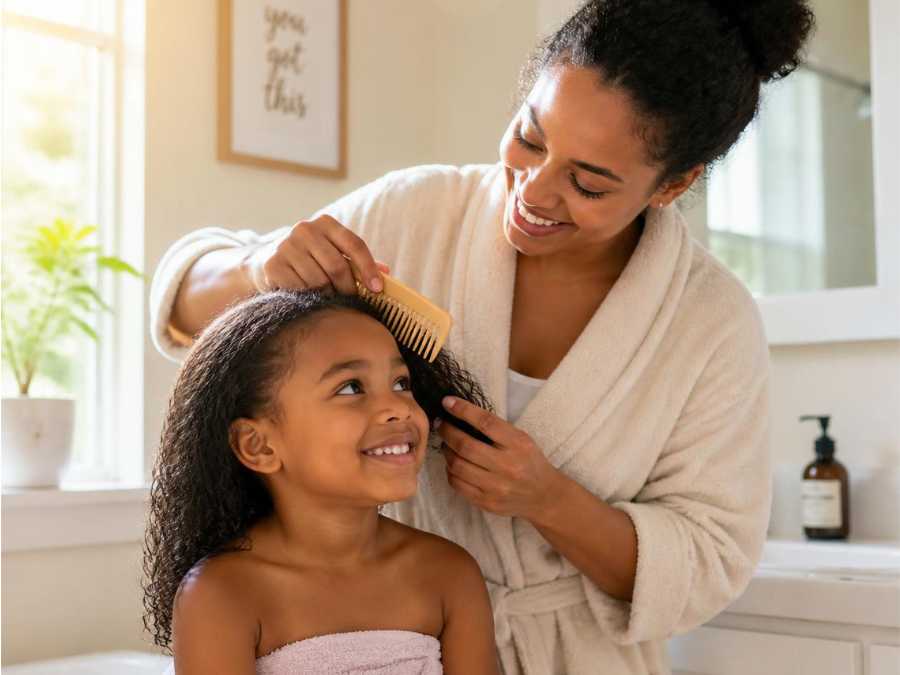
Many parents naturally begin combing from the top.
However, this can push knots downward and make them even more difficult to remove.
Instead, start at the ends and gradually work upward.
Mistake #3: Using Very Small Fine-Tooth Combs
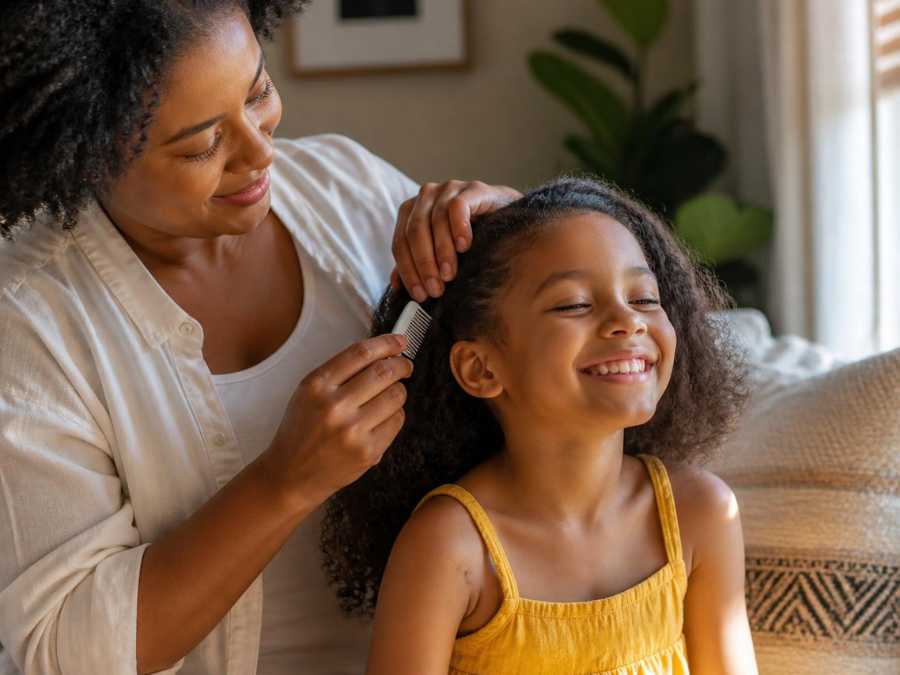
Fine-tooth combs can sometimes make detangling more uncomfortable.
A wide-tooth comb or detangling brush may feel gentler for many children.
Mistake #4: Rushing the Process
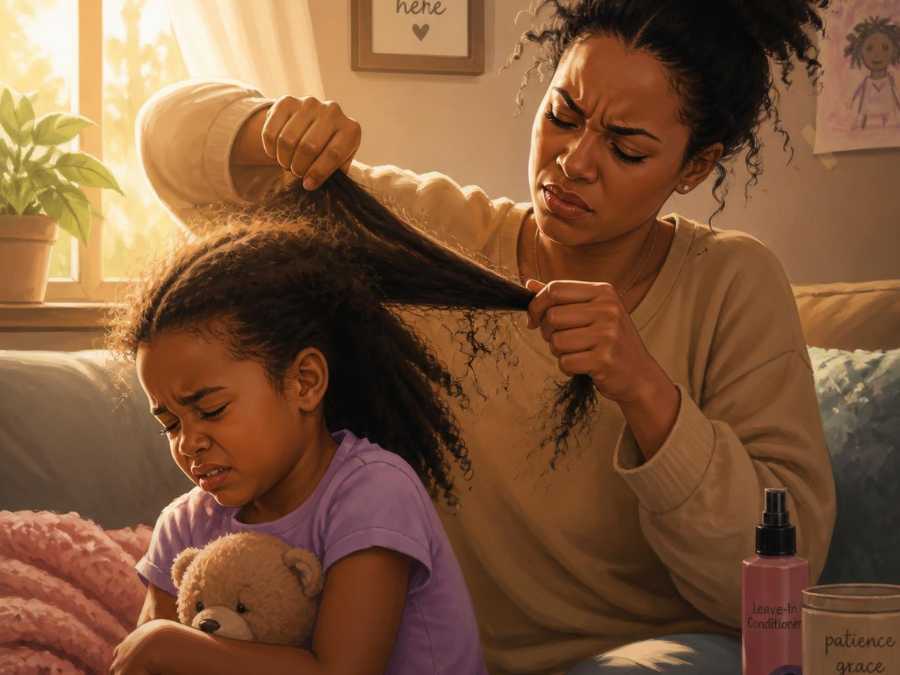
When everyone is busy, it is tempting to hurry.
However, rushing often leads to:
- More pulling
- More tears
- More frustration
- More breakage
Therefore, try to choose a time when you are not feeling rushed.
Mistake #5: Skipping Regular Maintenance
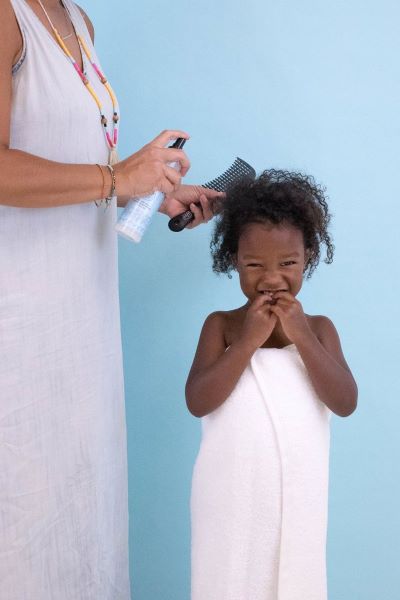
Photocredithttps://pin.it/2gKYaAAKK
Waiting until the hair becomes extremely tangled can make wash day much harder.
Small amounts of regular maintenance can make a big difference.
COMMON MISTAKE TO AVOID
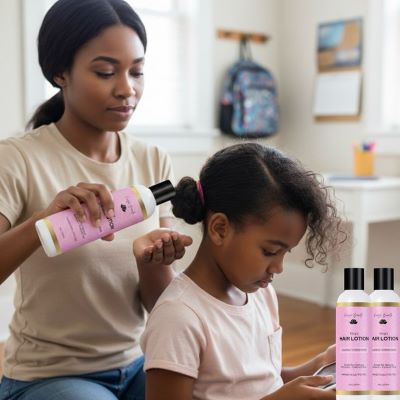
Photocredithttps://pin.it/3IjFakLps
Using detangling as a form of discipline.
Hair care should feel safe and gentle.
Children who repeatedly associate hair care with pain may become anxious about future wash days.
HOW TO MAKE WASH DAY EASIER
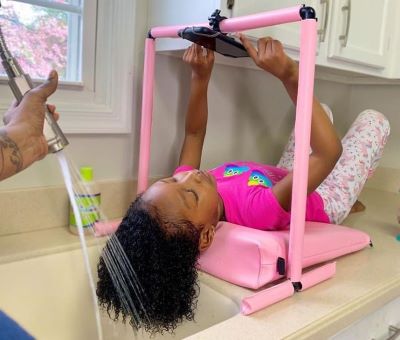
Photocredithttps://pin.it/1LxvAyj35
Many parents find that a few simple changes can completely transform wash day.
Create a Comfortable Environment
For example, you might:
- Play soft music.
- Let your child watch a favorite show.
- Offer a small snack.
- Read a story together.
These little distractions can help children relax.
Keep Supplies Ready
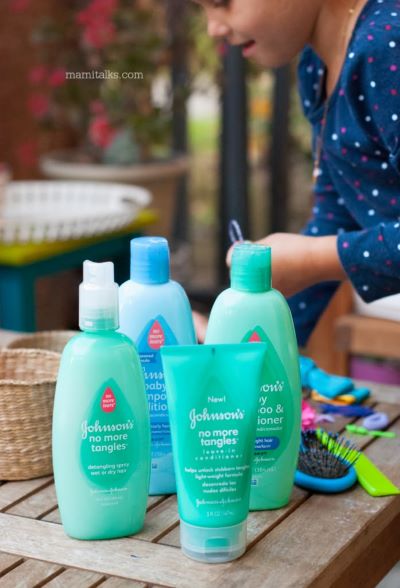
Photocredithttps://pin.it/lTcO74e52
Having everything nearby can prevent unnecessary interruptions.
Prepare:
Towels
Water
Conditioner
Combs
Hair clips
before you begin.
Talk Through the Process
Children often cooperate better when they know what to expect.
For example:
“First we’re washing, then we’ll detangle, and afterward you can pick your hairstyle.”
Simple explanations can make children feel more involved.
Give Praise
Instead of focusing on the difficult moments, celebrate the small successes.
For example:
- “You sat so nicely today.”
- “You did a great job being patient.”
- “Thank you for helping me with your hair.”
Positive experiences can gradually make wash day easier.
KIDDIES HAIR HUB PARENT CORNER
A successful wash day is not one with perfect hair.
Instead, it’s one where your child feels comfortable, cared for, and respected.
Sometimes slowing down and showing patience creates better results than any product you can buy.
HOW TO PREVENT TANGLES BETWEEN WASH DAYS
Although tangles are normal, a few habits may help reduce them.
Moisturize Consistently
Dry hair often tangles more easily.
Protect Hair During Sleep

Nighttime protection can help reduce friction.
Refresh Hairstyles When Needed
Very old styles can become tangled at the roots.
Detangle Before Washing
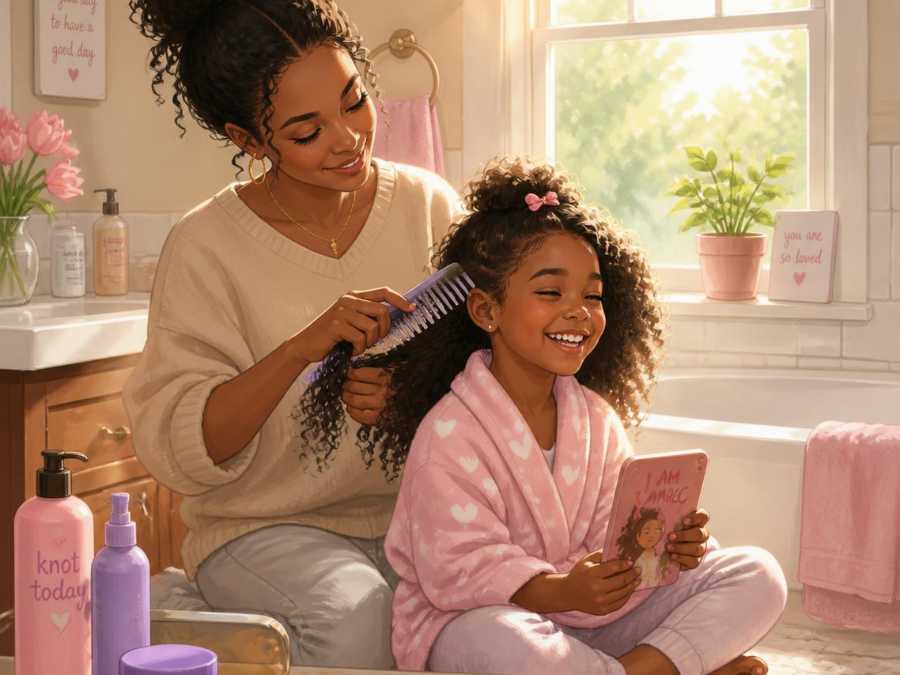
Removing small knots before washing may make the process easier.
Avoid Excessive Manipulation
Constant brushing and restyling can sometimes increase tangling.
PARENT CHECKLIST
Before detangling, ask yourself:
Is the hair damp?
Have I applied conditioner?
Do I have enough time?
Is the hair divided into sections?
Am I starting from the ends?
Is my child comfortable?
DID YOU KNOW?
Many children become more cooperative with hair care when they know what to expect and feel included in the process.
Something as simple as letting them choose a hair accessory can make a big difference.
FREQUENTLY ASKED QUESTIONS
How often should I detangle my child’s hair?
There isn’t one schedule that works for every child.
However, many parents find that regular, gentle detangling prevents small knots from turning into larger tangles.
The best routine often depends on your child’s hair texture, hairstyle, and activity level.
Should I detangle before or after washing?
Many parents prefer to remove major knots before washing and then do a more thorough detangling session after applying conditioner.
This approach can make the process easier and more comfortable.
Is finger detangling better than using a comb?
Neither method is automatically better than the other.
In fact, many families use both.
Finger detangling can help gently separate knots, while a comb may help finish the process once the hair is easier to manage.
Why does my child’s hair get tangled so quickly?
Children are active, and their hair experiences a lot during the day.
Tangles can happen because of:
- Sleeping
- Dryness
- Swimming
- Outdoor play
- Friction from hats and clothing
- Leaving styles in too long
Can detangling cause hair loss?
Some shed hair during wash day is completely normal.
However, excessive pulling or rough detangling can contribute to unnecessary breakage.
Gentle techniques help reduce this risk.
What if my child cries during every detangling session?
Try slowing down and making small changes to your routine.
For example:
- Choose a time when your child isn’t tired.
- Use more conditioner.
- Work in smaller sections.
- Take breaks when needed.
- Create positive distractions.
Over time, these changes may help make hair care feel less stressful.
MYTH VS FACT
| Myth | Fact |
| Hair should be brushed from the roots down. | Starting from the ends often makes detangling easier. |
| Crying during detangling is normal and unavoidable. | Gentle techniques can make the experience much more comfortable. |
| More pulling gets the process done faster. | Pulling can increase discomfort and breakage. |
| Only curly hair gets tangled. | All hair types can experience tangles. |
AGE-BY-AGE DETANGLING GUIDE
Toddlers (1–3 Years)
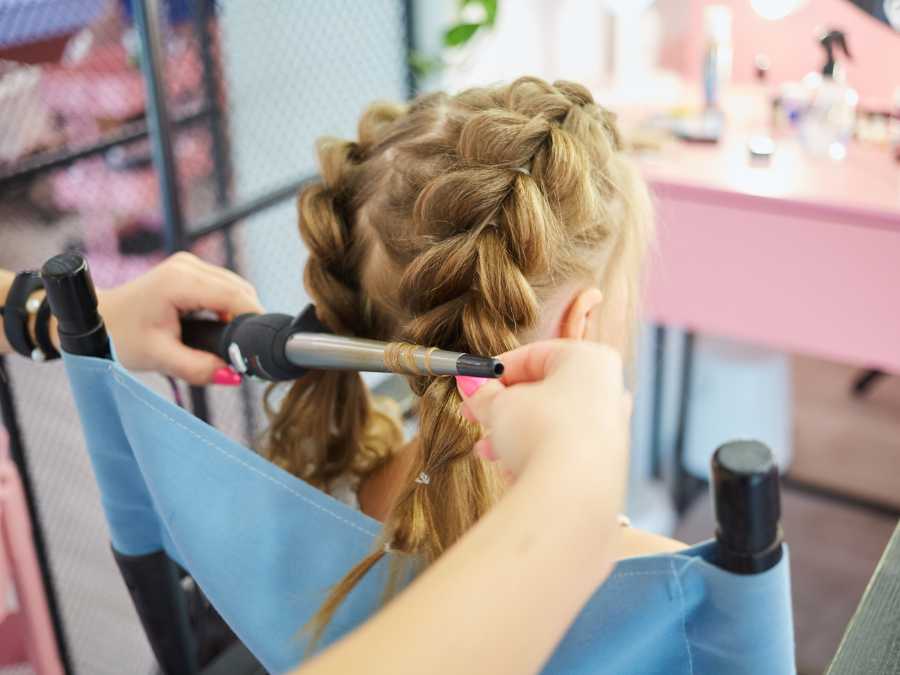
- Keep sessions short.
- Use plenty of patience.
- Offer distractions.
- Choose simple hairstyles.
Preschoolers (4–5 Years)
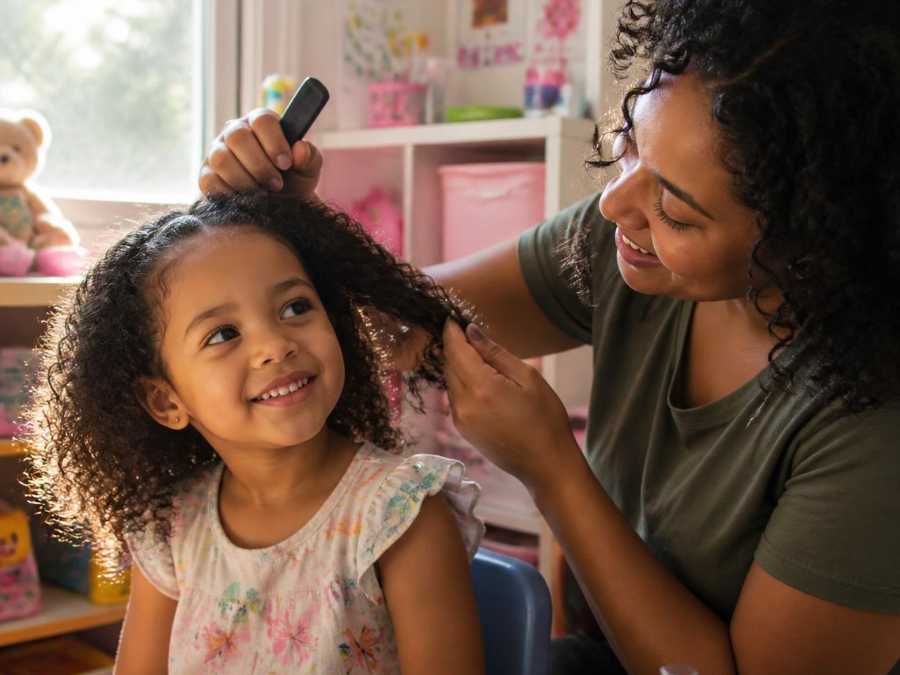
- Explain what you’re doing.
- Allow them to make small choices.
- Use positive encouragement.
School-Age Children (6–12 Years)
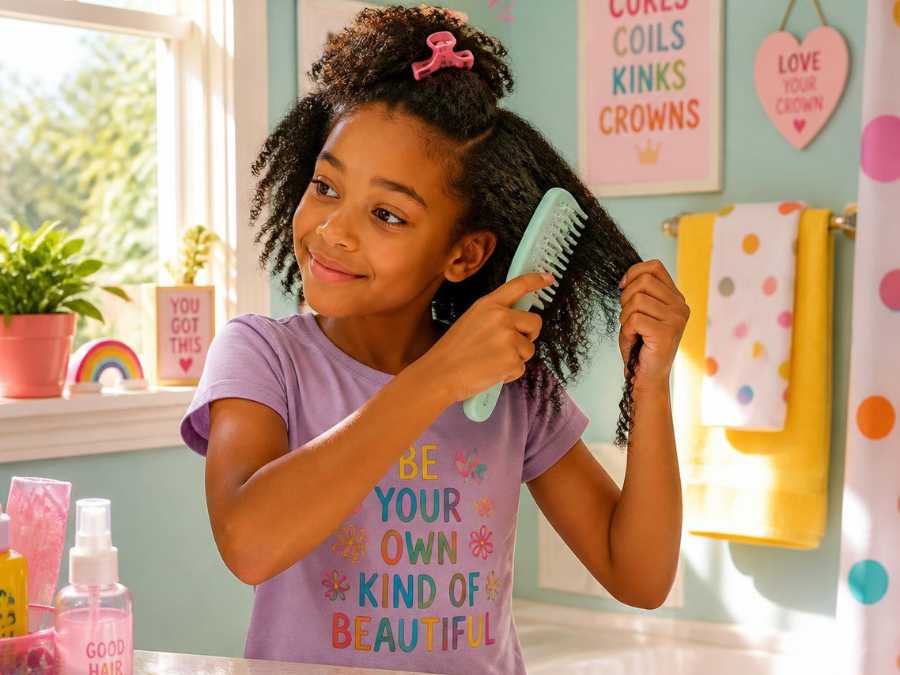
- Teach them basic hair care habits.
- Encourage them to communicate if something hurts.
- Gradually involve them in their own routines.
HOW TO BUILD POSITIVE HAIR MEMORIES
Hair care isn’t only about healthy hair.
It’s also about helping children develop healthy feelings about caring for themselves.
Simple things can make a difference:
Let them choose hair accessories.
Compliment their patience.
Celebrate wash day successes.
Avoid turning hair care into a punishment.
Listen when they say something hurts.
These moments may seem small, but they can shape how children feel about their hair for years to come.
KIDDIES HAIR HUB PARENT CORNER
One of the best gifts you can give your child is helping them feel confident and comfortable with their hair.
A gentle detangling routine teaches more than hair care. It also teaches patience, trust, and self-care.
There may still be difficult wash days, and that’s okay.
Progress matters more than perfection.
QUICK TAKEAWAYS
Work on damp, conditioned hair whenever possible.
Divide the hair into sections.
Start detangling from the ends and work upward.
Use patience instead of force.
Take breaks when needed.
Keep wash day as calm and positive as possible.
Consistent care often leads to fewer tangles over time.
CONCLUSION
Detangling children’s hair doesn’t have to end in tears.
Although tangles are a normal part of caring for children’s hair, the way we approach them can make all the difference.
By slowing down, using gentle techniques, and creating positive wash-day experiences, parents can help make detangling easier and more comfortable.
Remember, the goal isn’t perfectly tangle-free hair.
Instead, it’s helping your child feel cared for while building healthy hair habits that can last a lifetime.
At Kiddies Hair Hub, we believe that healthy hair starts with patience, kindness, and routines that work for real families.
Leave a Reply