Why Is My Child’s Hair So Dry? Common Causes and Simple Solutions
A child’s hair may feel dry because of factors such as weather, product buildup, frequent swimming, friction from bedding, or not enough moisture in the hair care routine.
Understanding the possible causes can help parents build a routine that supports healthier, more manageable hair.
TABLE OF CONTENTS
- Is Dry Hair in Children Normal?
- What Causes Dry Hair in Children?
- Signs Your Child’s Hair Needs More Moisture
- Simple Ways to Help Dry Hair
- Common Moisturizing Mistakes
- Creating a Moisture-Friendly Routine
- Parent Checklist
- FAQs
- Conclusion
INTRODUCTION
Have you ever finished wash day only to find that your child’s hair feels dry again a day or two later?
You’re not alone.
Many parents feel frustrated because it seems like no matter what they do, their child’s hair still feels rough, tangled, or dry.
The good news is that dry hair is a common concern, and it doesn’t necessarily mean that you’re doing something wrong.
Children’s hair can become dry for many different reasons.
Sometimes it’s because of the weather.
Sometimes it’s because of daily habits.
And sometimes it’s simply because a routine needs a few adjustments.
Understanding why your child’s hair feels dry is the first step toward creating a routine that keeps it softer and easier to manage.https://kiddieshairhub.com/wp-admin/post.php?post=48&action=edit
IS DRY HAIR IN CHILDREN NORMAL?
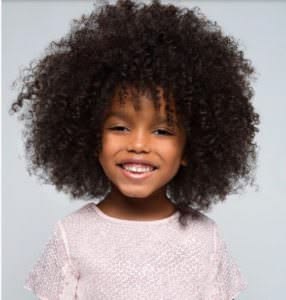
Photo credit: https://pin.it/qrT2UpGyT
Yes, many children experience dry hair from time to time.
Hair changes throughout childhood, and factors such as weather, activities, and hairstyles can all affect how the hair feels.
Occasional dryness is usually nothing to panic about.
However, if the hair constantly feels rough, becomes difficult to manage, or seems uncomfortable for your child, it may be time to take a closer look at your routine.
SIGNS YOUR CHILD’S HAIR MAY BE DRY
Your child’s hair may need more moisture if you notice:
Hair that feels rough.
Increased tangling.
Hair that looks dull.
More breakage than usual.
Hair that feels difficult to comb.
Persistent dryness even after wash day.
Hair that becomes frizzy very quickly.
These signs can help you identify when your child’s hair may need extra attention.
WHAT CAUSES DRY HAIR IN CHILDREN?
There is rarely just one reason.
Instead, several factors often work together.
1. WEATHER CHANGES
Weather can affect how hair feels.
For example:
Winter
- Dry indoor heating
- Cold outdoor air
- Wearing hats frequently
Summer
- Sun exposure
- Swimming
- Increased outdoor activities
Many parents notice that their child’s hair needs different care during different seasons.
2. FREQUENT SWIMMING
Swimming can sometimes leave the hair feeling different than usual.
Children who spend a lot of time in pools may benefit from extra attention to their hair care routines.
3. PRODUCT BUILDUP
Using many products without properly cleansing the hair can sometimes leave the hair feeling heavy and difficult to manage.
4. FRICTION
Hair experiences friction every day.
For example:
- Pillows
- Hats
- Clothing
- Car seats
All of these can affect how the hair feels over time.
5. PROTECTIVE STYLES LEFT IN TOO LONG
Protective styles are wonderful tools, but they still need maintenance.
Sometimes dryness can become more noticeable when a style has been in for too long.
6. OVERCOMPLICATED HAIR ROUTINES
Many parents feel they need dozens of products.
However, simple routines often work beautifully.
Sometimes adding more and more products can actually make hair care feel harder instead of easier.
DID YOU KNOW?
Children’s hair often changes as they grow.
The routine that worked last year may not be the exact routine your child needs today.
KIDDIES HAIR HUB PARENT CORNER
If your child’s hair feels dry, don’t assume you’re failing.
Hair care is a learning process.
Sometimes a few small changes can make a big difference over time.
SIMPLE WAYS TO HELP DRY HAIR
Focus on Consistency
Simple routines done consistently often work better than complicated routines that are difficult to maintain.
Pay Attention to the Scalp
A comfortable scalp is an important part of healthy hair care.
Keep Hair Care Gentle
Gentle handling can make hair care easier and more enjoyable.
Adjust Your Routine as Needed
Children grow, seasons change, and routines sometimes need to change too.
Being flexible is often one of the best things you can do.
A SIMPLE MOISTURE-FRIENDLY ROUTINE FOR CHILDREN’S HAIR
When parents notice dryness, the first instinct is often to buy more products.
However, healthy hair care doesn’t always require a complicated routine.
In many cases, a simple and consistent approach works beautifully.
Step 1: Start With a Clean Scalp
A clean scalp creates a good foundation for the rest of your child’s hair care routine.
If there is too much buildup, hair products may not work as effectively, and the hair can begin to feel heavy or difficult to manage.
Step 2: Condition the Hair
Conditioning helps improve manageability and can make detangling easier.
This step is especially important if your child’s hair tends to feel rough after washing.
Step 3: Be Gentle During Detangling
Rough handling can make dry hair feel even more difficult to manage.
Take your time and work patiently.
Remember, hair care should not be painful.
Step 4: Add Moisture Consistently
Many parents wait until the hair feels extremely dry before paying attention to moisture.
Instead, try to create a routine that helps keep the hair comfortable and manageable.
Small, consistent habits often make a bigger difference than occasional intensive routines.
Step 5: Choose Hairstyles That Support Healthy Hair Habits
Some hairstyles make daily hair care easier by reducing excessive manipulation.
The goal is to choose styles that fit your child’s age, activity level, and comfort.
HOW THE SEASONS CAN AFFECT DRY HAIR
Children’s hair often behaves differently throughout the year.
Understanding these changes can help parents make small adjustments when needed.
WINTER HAIR CARE
During colder months, many families notice:
- Increased dryness
- More tangling
- Changes in manageability
This doesn’t mean something is wrong.
It simply means the hair may need a little extra attention.
SUMMER HAIR CARE
Summer often brings:
- Outdoor play
- Sweating
- Swimming
- Increased sun exposure
Some children may need adjustments to their routines during these months.
SPRING AND FALL
These seasons can also bring changes.
The important thing is to observe your child’s hair and make adjustments when necessary.
Even with the best intentions, many parents accidentally make dryness worse.
COMMON MISTAKES PARENTS MAKE WHEN DEALING WITH DRY HAIR
Mistake 1: Buying Too Many Products
When hair feels dry, it’s tempting to purchase every product that promises moisture.
However, more products do not automatically mean better results.
Simple routines are often easier to maintain.
Mistake 2: Changing Products Too Frequently
Constantly switching products can make it difficult to know what is actually working.
Patience and consistency are important.
Mistake 3: Ignoring Product Buildup
Sometimes hair feels dry because it needs a fresh start.
Paying attention to the condition of the scalp and hair can help you know when adjustments may be needed.
Mistake 4: Choosing Hairstyles That Are Too Tight
Tension and discomfort can make hair care more challenging.
Comfort should always come first.
Mistake 5: Comparing Your Child’s Hair to Someone Else’s
Every child has unique hair needs.
The routine that works perfectly for one child may not work exactly the same way for another.
HOW TO MAKE DRY HAIR EASIER TO MANAGE
Dry hair can sometimes become:
- Tangled
- Frizzy
- Difficult to style
Fortunately, there are simple ways to make daily hair care easier.
Keep Routines Predictable
Children often respond well to consistency.
Simple routines can make both parents and children feel more confident.
Choose Easy-to-Maintain Hairstyles
Complicated hairstyles are not always necessary.
Simple styles can be beautiful and practical.
Avoid Rushing Hair Care
Taking a little extra time can often make wash day and styling days feel much easier.
Listen to Your Child
Children may notice changes in their hair or scalp before adults do.
Pay attention if they mention:
- Itching
- Discomfort
- Tenderness
- Difficulty sleeping after styling
KIDDIES HAIR HUB PARENT CORNER
Healthy hair care isn’t about having perfect hair every day.
It’s about creating routines that help your child feel comfortable and make caring for their hair manageable for your family.
Some days will go smoothly.
Other days may feel challenging.
That’s completely normal.
HOW TO BUILD HEALTHY HAIR HABITS EARLY
As children grow, they can begin learning simple habits such as:
Being gentle with their hair.
Understanding the importance of wash day.
Participating in simple parts of their routine.
Speaking up when something feels uncomfortable.
These lessons can help children build confidence and develop healthy relationships with hair care.
PARENT CHECKLIST
If your child’s hair constantly feels dry, ask yourself:
Has the weather changed recently?
Has my child been swimming more often?
Is there product buildup?
Has the hairstyle been in for a long time?
Is our routine becoming too complicated?
Does the hair seem difficult to manage?
Do we need to make small adjustments?
These questions can help you identify patterns and build a routine that works better for your child.
DID YOU KNOW?
Many parents find that small changes made consistently can improve manageability and make hair care feel much less stressful over time.
FREQUENTLY ASKED QUESTIONS
Is dry hair normal for children?
Yes. Many children experience dry hair from time to time.
Changes in weather, activities, hairstyles, and daily routines can all affect how the hair feels.
Occasional dryness is usually normal. However, if the hair consistently feels rough, difficult to manage, or uncomfortable, it may be helpful to review your hair care routine.
Why does my child’s hair become dry so quickly after wash day?
This can happen for several reasons.
For some children, factors such as weather, swimming, friction, or product buildup may affect how the hair feels after washing.
Every child is different, which is why paying attention to your child’s individual needs is so important.
Does dry hair mean my child’s hair is unhealthy?
Not necessarily.
Dryness is a common concern and doesn’t automatically mean something is wrong.
In many cases, small adjustments to the routine can make the hair easier to manage.
Why is my child’s hair always tangled?
Dry hair and tangles often go together.
When hair feels dry, it can become more difficult to manage and may tangle more easily.
Gentle detangling habits and consistent routines can help.
Can the weather really affect my child’s hair?
Absolutely.
Many parents notice that their child’s hair behaves differently during different seasons.
Winter, summer, swimming, and changes in daily activities can all influence how the hair feels.
Should I buy more products if my child’s hair is dry?
Not necessarily.
More products don’t always lead to better results.
Simple, consistent routines are often easier to maintain and can work very well.
MYTH VS FACT
| Myth | Fact |
| Dry hair means you’re doing something wrong. | Dryness is a common concern for many families. |
| More products automatically solve dryness. | Consistency often matters more than the number of products used. |
| Every child’s hair needs the same routine. | Children’s hair needs can vary greatly. |
| Hair routines should never change. | Hair care often needs small adjustments as children grow and seasons change. |
| Dry hair and tangles are completely unrelated. | Dry hair can sometimes make detangling more challenging. |
HOW TO BUILD A MOISTURE-FRIENDLY ROUTINE THAT LASTS
The best routines are often the ones that are simple enough to maintain.
Try to create a routine that:
Fits your family’s schedule.
Doesn’t feel overwhelming.
Works for your child’s activity level.
Can be adjusted when necessary.
Keeps hair care enjoyable.
Hair care doesn’t have to be perfect to be effective.
TEACHING CHILDREN TO CARE FOR THEIR HAIR
As children get older, they can begin learning simple habits that support healthy hair.
For example:
Helping gather wash-day supplies.
Choosing a hairstyle.
Learning to recognize when their hair feels dry.
Speaking up when something feels uncomfortable.
Small lessons today can help build confidence for the future.
KIDDIES HAIR HUB PARENT CORNER
One of the most comforting things to remember is this:
If your child’s hair feels dry, you’re not alone.
Many parents spend time trying to figure out what works best for their child’s hair.
The good news is that healthy hair care is a journey, and small, consistent habits often make the biggest difference.
QUICK TAKEAWAYS
Dry hair in children is a common concern.
Weather, swimming, friction, and daily routines can all affect the hair.
Simple routines often work beautifully.
Every child’s hair needs are different.
Avoid comparing your child’s hair to someone else’s.
Small adjustments can make hair care easier and more manageable.
If you’ve ever wondered,
“Why is my child’s hair so dry?”
the answer is usually not just one thing.
Children’s hair is affected by many factors, including weather, activities, hairstyles, and daily routines.
Instead of searching for a perfect solution, focus on learning what your child’s hair needs and building a simple routine that works for your family.
Over time, you’ll gain confidence and discover what helps your child’s hair feel its best.
At Kiddies Hair Hub, we believe healthy hair starts with understanding, patience, and routines that fit real families and real children.
Because every child’s hair journey is unique.
Leave a Reply