How to Build Your Child’s Confidence Through Hair Care(How to Build Your Child’s Confidence Through Hair Care)
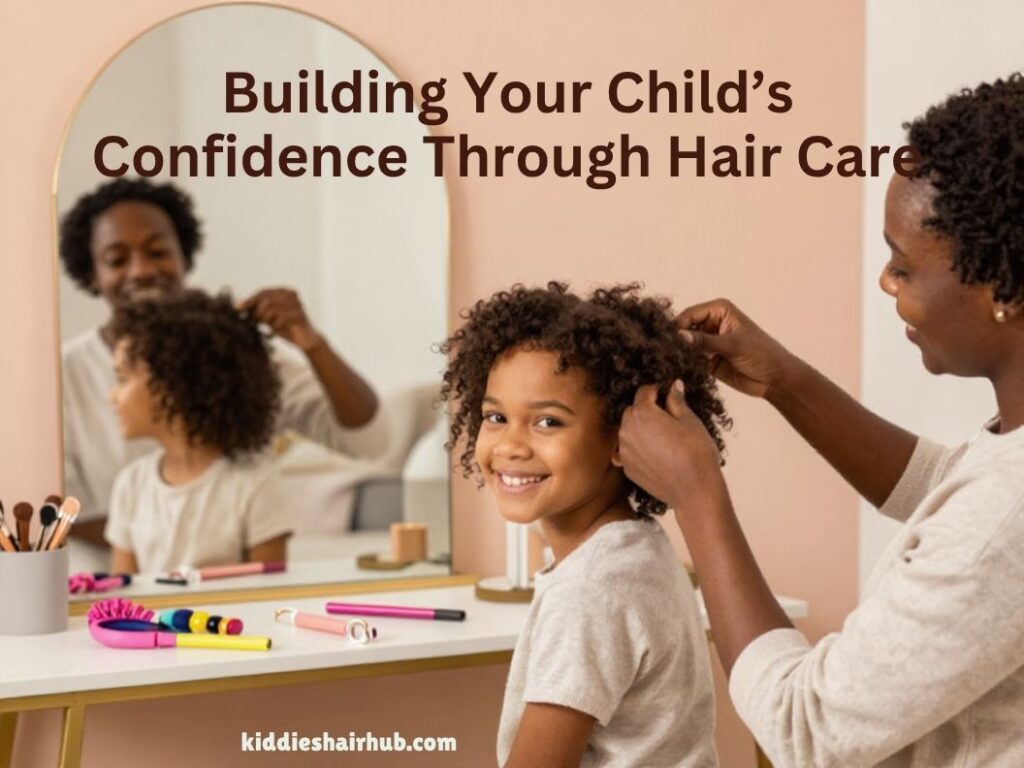
Children develop confidence when they feel valued, accepted, and included in their care routines.
Positive hair care experiences, encouraging conversations, and celebrating their unique hair can help children build self-esteem and a healthy relationship with their appearance. https://kiddieshairhub.com/wp-admin/post.php?post=58&action=edit
TABLE OF CONTENTS
- Why Hair Confidence Matters for Children
- How Hair Experiences Shape Self-Image
- Creating Positive Hair Care Moments
- Helping Children Appreciate Their Natural Hair
- Teaching Children About Their Hair
- Age-Specific Ways to Build Confidence
- Common Mistakes That Can Affect Hair Confidence
- Frequently Asked Questions
- Conclusion
INTRODUCTION(Build your child’s confidence through hair care)
A child’s relationship with their hair often begins long before they are old enough to make decisions about it.
It begins during everyday moments.
The way a parent talks about their child’s hair.
The patience shown during styling.
The words used when dealing with tangles.
The excitement around choosing a hairstyle.
These small moments may seem ordinary, but they can influence how children see themselves.
For many parents, hair care is mainly about keeping hair healthy, neat, and manageable.
Those things matter.
However, hair care can also be an opportunity to build confidence.
A child who grows up feeling positive about their hair is more likely to see it as something special rather than something they need to change.
This does not mean every child will love every hairstyle or every part of their hair journey.
Children may still have preferences.
They may want different styles.
They may have moments when they compare themselves with others.
That is normal.
The goal is not to convince children that everything about their appearance must be perfect.
The goal is to help them understand that they are valuable, and their hair is one beautiful part of who they are.
WHY HAIR CONFIDENCE MATTERS FOR CHILDREN
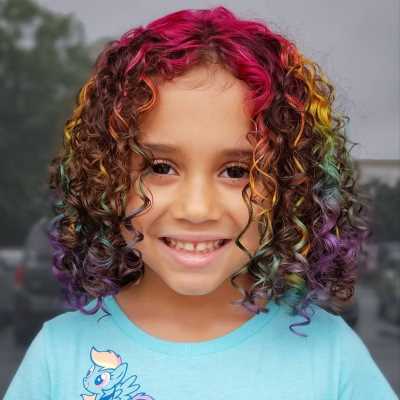
Hair is often one of the first things children notice about themselves and others.
They may notice:
- Different hair textures.
- Different hairstyles.
- Different colors and lengths.
- How their friends wear their hair.
As children grow, they begin forming opinions about themselves based on the messages they receive around them.
Positive messages can help children develop confidence.
Negative or careless comments, even when unintentional, can sometimes make children feel uncomfortable about their appearance.
This is why the language we use during hair care matters.
A simple statement like:
“Your curls are beautiful.”
or:
“I love how unique your hair is.”
can become part of how a child learns to see themselves.
HAIR CARE IS MORE THAN A BEAUTY ROUTINE
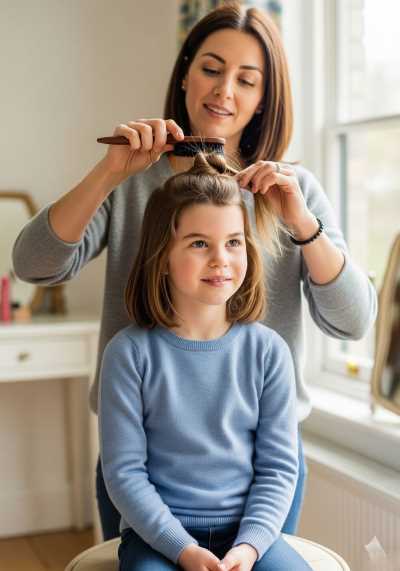
Many people think of hair care as something focused only on appearance.
However, for children, hair care can teach valuable lessons about:
- Patience.
- Self-care.
- Responsibility.
- Identity.
- Confidence.
When children participate in caring for their hair, they learn that their needs deserve attention.
A calm hair routine can become a moment of connection between a parent and child.
It can be a time to talk about school, friendships, feelings, and everyday experiences.
KIDDIES HAIR HUB PARENT CORNER(How to Build Your Child’s Confidence Through Hair Care)
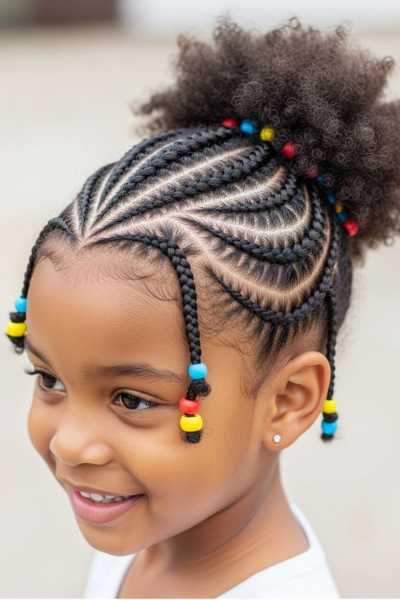
Sometimes parents focus so much on creating the perfect hairstyle that they forget the most important part:
The child wearing the hairstyle.
A neat hairstyle is wonderful.
But a child who feels loved, confident, and comfortable is even more important.
Hair should be a source of connection, not pressure.
QUICK WIN
The next time you style your child’s hair, replace correction with encouragement.
Instead of:
“Don’t move, you’re making this difficult.”
Try:
“You’re doing a great job sitting still. We are almost finished.”
Small changes in communication can completely change the hair care experience.
HAIR CARE MYTH OF THE WEEK
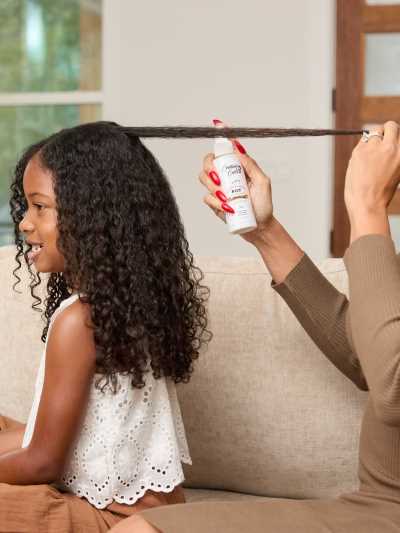
Myth:
Children only gain confidence from having perfect hairstyles.
Fact:
Children gain confidence from feeling accepted, supported, and valued.
A hairstyle can be beautiful, but confidence comes from much deeper experiences.
HOW HAIR EXPERIENCES SHAPE SELF-IMAGE
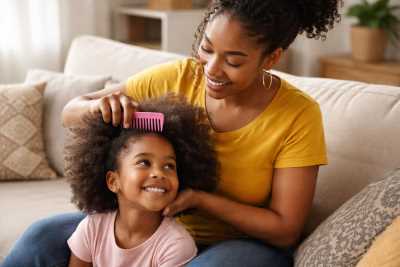
Children are constantly learning from their environment.
They notice:
- How adults talk about their own hair.
- How family members describe different hair types.
- Whether hair care feels positive or stressful.
For example, if a child constantly hears that their hair is:
- Too difficult.
- Too much work.
- Not like someone else’s.
They may begin associating their hair with frustration.
Instead, children benefit from hearing messages that focus on care and appreciation.
For example:
“Your hair needs patience because it is unique.”
“Let’s learn what works best for your hair.”
“Every person’s hair is different, and that’s what makes us special.”
CREATING POSITIVE HAIR CARE MOMENTS
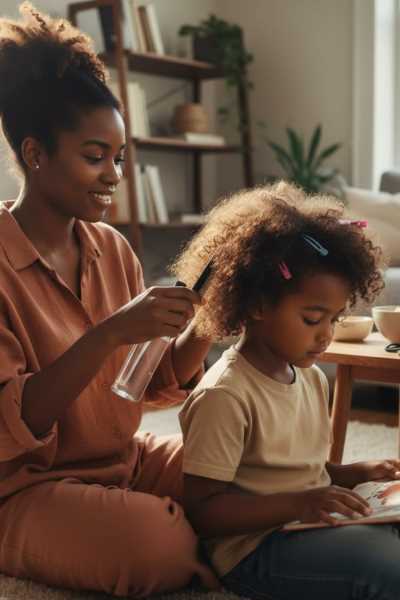
Children often remember experiences more than instructions.
They may not remember every hairstyle they wore when they were younger, but they often remember how hair care made them feel.
Was it a rushed experience where everyone felt frustrated?
Or was it a calm moment where they felt cared for and heard?
The difference is often found in small everyday choices.
Creating positive hair care moments does not require extra hours or expensive products.
It can begin with simple changes.
Make Hair Care a Time of Connection
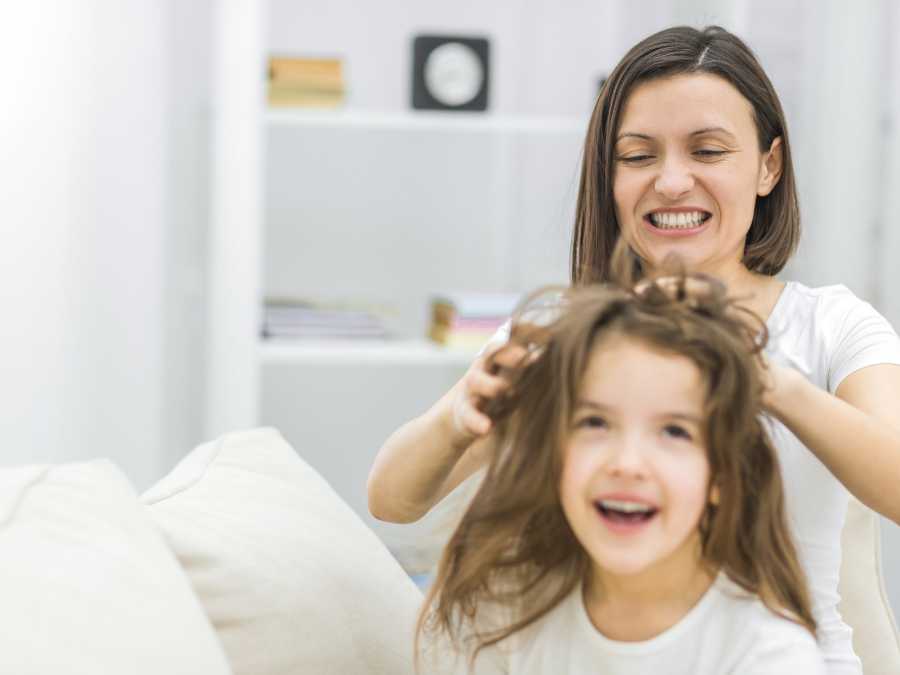
Hair care can become a special opportunity to connect with your child.
While styling their hair, you can:
- Ask about their day.
- Listen to their stories.
- Talk about things they enjoy.
- Sing songs together.
- Share encouraging words.
These conversations help children associate hair care with comfort and attention.
Over time, they may begin to see hair time as something positive rather than something to avoid.
Give Children Choices When Possible
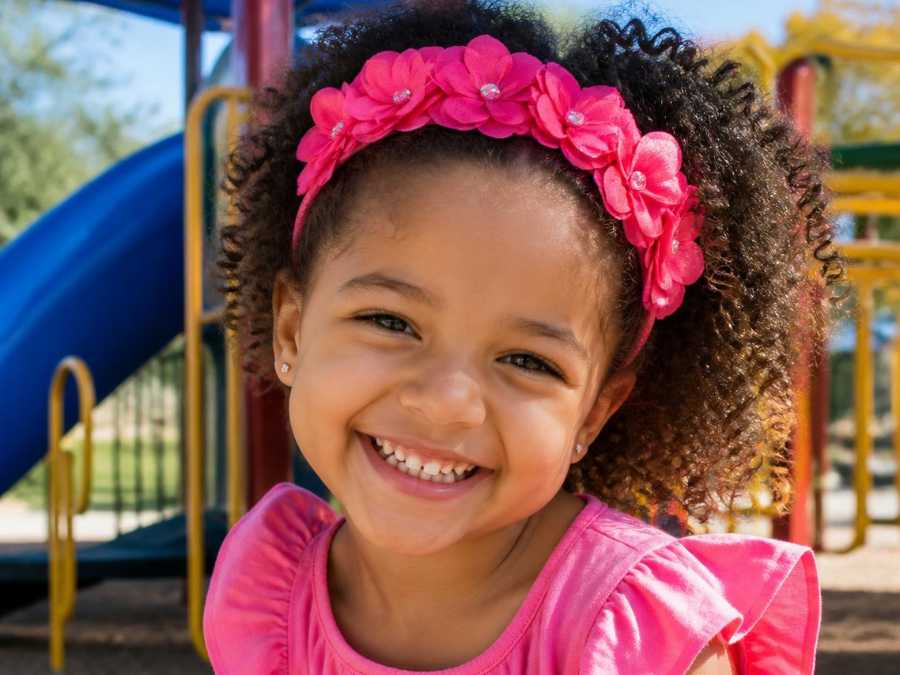
Children naturally want to feel a sense of independence.
Even small choices can make a difference.
Depending on your child’s age, you can allow them to choose:
- Between two hairstyles.
- Their favorite hair accessory.
- The color of their bow or scrunchie.
- Which hairstyle they want for a special occasion.
Giving choices does not mean allowing children to control everything.
It simply shows them that their opinions matter.
Celebrate Progress, Not Perfection
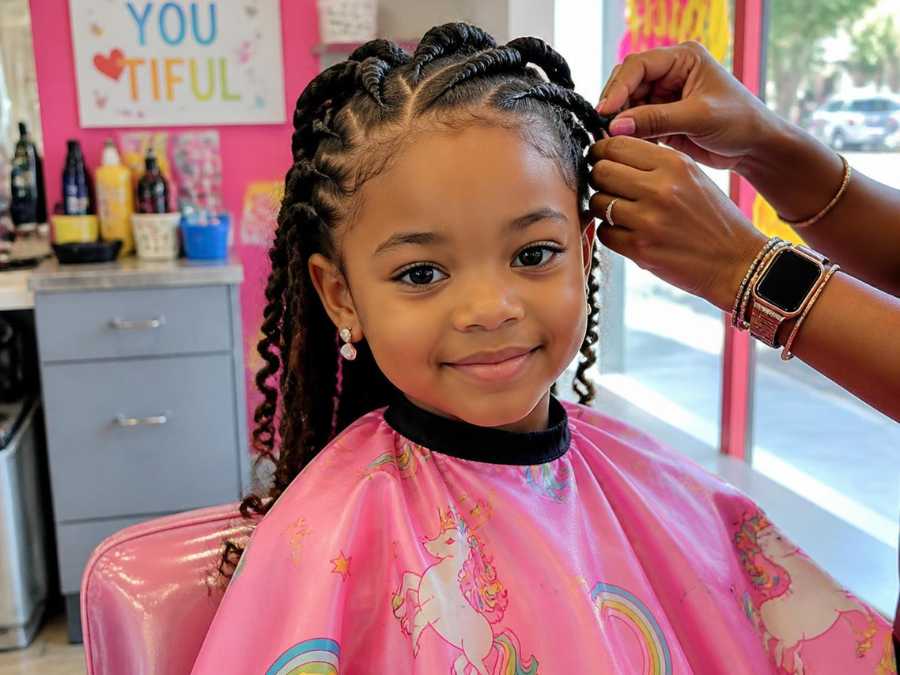
Sometimes parents become focused on achieving the “perfect” hairstyle.
However, children are not looking for perfection.
They are looking for reassurance.
Instead of focusing only on whether every braid or part is perfectly neat, celebrate:
- Sitting patiently during styling.
- Learning new hair care skills.
- Helping organize accessories.
- Taking care of their hair.
These small achievements build confidence.
HELPING CHILDREN APPRECIATE THEIR NATURAL HAIR
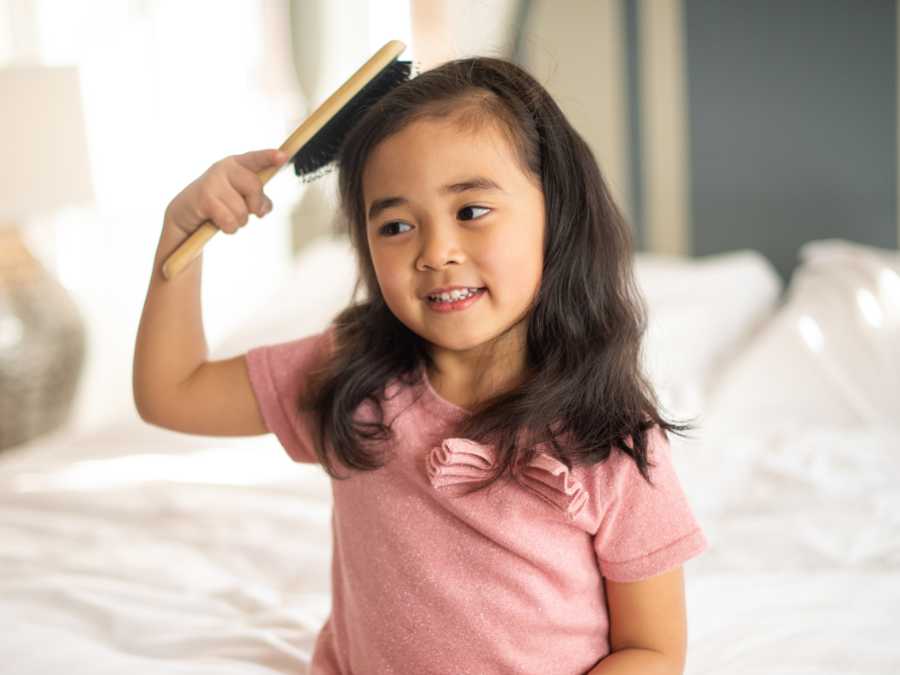
Children are naturally curious.
As they grow, they may begin asking questions about their hair.
They may wonder:
“Why is my hair different from my friend’s hair?”
“Why doesn’t my hair look like someone else’s?”
These questions create opportunities for meaningful conversations.
Teach Children That Hair Comes in Many Forms
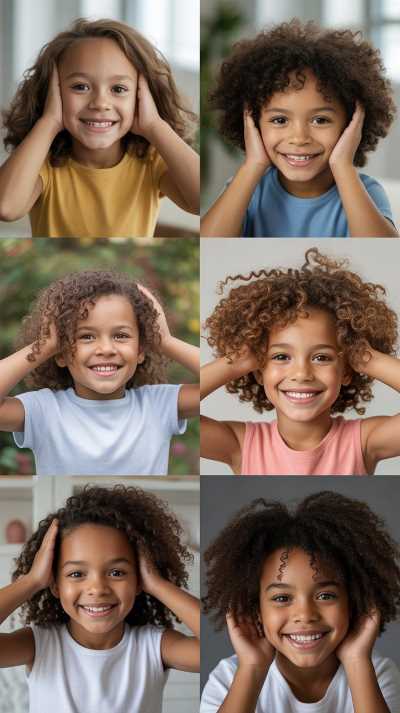
Children benefit from understanding that hair can be different in many beautiful ways.
Hair can be:
- Curly.
- Coily.
- Wavy.
- Straight.
- Thick.
- Fine.
- Long.
- Short.
Differences are not problems to fix.
They are simply part of what makes each person unique.
Avoid Negative Hair Language
Sometimes adults make comments without realizing how children interpret them.
For example, saying:
“Your hair is so difficult today.”
may simply mean the hair needs extra care.
However, a child may interpret it as:
“My hair is a problem.”
Instead, try using language that separates the hair from the challenge.
For example:
“Your hair needs a little extra moisture today.”
or:
“Let’s take our time with these tangles.”
This teaches children that their hair is worthy of care.
Introduce Positive Hair Role Models
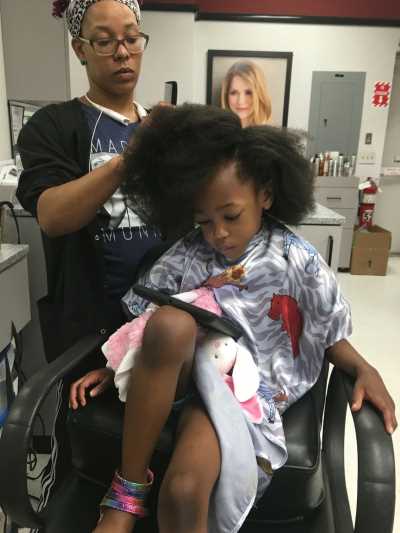
Children often learn by seeing examples.
Books, videos, family members, and communities can introduce children to people who proudly wear different hairstyles and textures.
Seeing others celebrate their hair can help children develop appreciation for their own.
HAIR TALK WITH YOUR CHILD(How to Build Your Child’s Confidence Through Hair Care)
Here are some simple phrases parents can use:
Instead of:
“Your hair is so hard to manage.”
Try:
“Your hair is unique, and we are learning what works best for it.”
Instead of:
“You need to sit still because your hair is difficult.”
Try:
“We are taking care of your hair together. Thank you for helping me.”
Instead of:
“Your hair doesn’t look like hers.”
Try:
“Everyone’s hair is different, and every type of hair is beautiful.”
AGE SPOTLIGHT: BUILDING HAIR CONFIDENCE AT DIFFERENT AGES
Children develop confidence differently depending on their age.
The approach that works for a toddler may not work for an older child.
Toddlers (Ages 2–4)
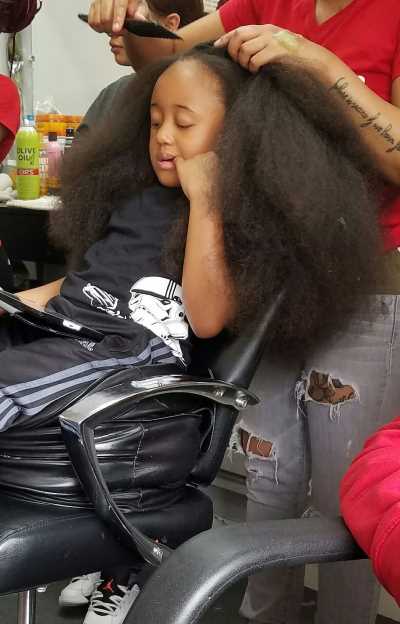
At this age, children are building their first experiences with hair care.
Focus on:
- Making hair time calm.
- Keeping hairstyles comfortable.
- Using positive words.
- Allowing small choices.
A toddler who enjoys hair care is more likely to cooperate as they grow.
Preschoolers (Ages 4–6)
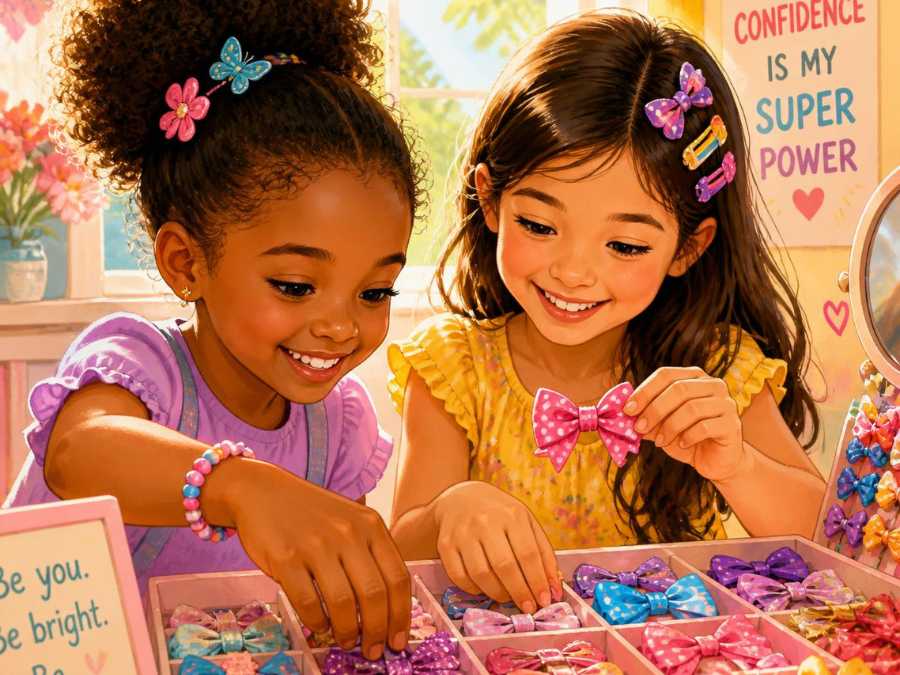
Preschool children often become more aware of differences.
They may begin noticing their classmates’ hairstyles.
This is a great time to:
- Talk positively about different hair types.
- Let them choose accessories.
- Encourage curiosity.
School-Age Children (Ages 7–12)
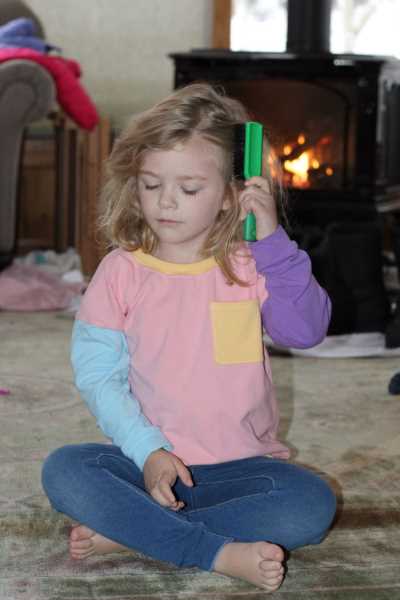
Older children may become more influenced by friends and social media.
They may compare themselves with others.
Parents can help by:
- Encouraging self-expression.
- Teaching proper hair care skills.
- Listening without dismissing their feelings.
QUICK WIN
Take one photo of your child’s favorite hairstyle and create a small “hair memory folder.”
This is not about appearance perfection.
It is about helping your child see their hair journey as something positive and special.
COMMON MISTAKES THAT CAN AFFECT HAIR CONFIDENCE
Even loving parents can sometimes unintentionally send messages that affect how children feel about their hair.
Making Hair Care Only About Appearance
When hair care focuses only on looking good, children may begin believing their value comes from how they look.
Instead, emphasize:
- Care.
- Health.
- Comfort.
- Confidence.
Comparing Your Child’s Hair to Others
Comparison can make children feel like their hair is not enough.
Every child’s hair journey is different.
Growth patterns, texture, and length can vary naturally.
Showing Frustration During Hair Time
Everyone has difficult days.
However, if hair care is often associated with stress, children may begin avoiding it.
Taking breaks and simplifying routines can help.
Not Listening to Your Child’s Preferences
Children may not always choose the hairstyle you would choose.
Allowing them to express preferences teaches respect and builds trust.
KIDDIES HAIR HUB PARENT CORNER(How to Build Your Child’s Confidence Through Hair Care)
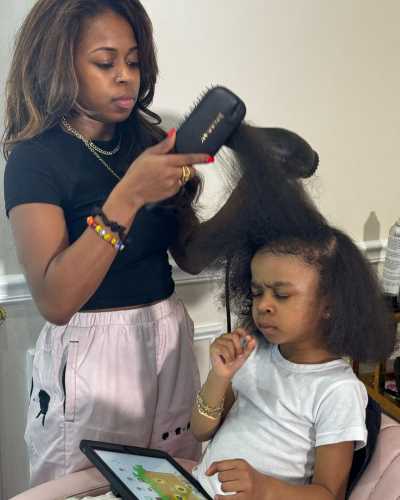
The most beautiful hairstyle is the one worn by a child who feels confident.
A child’s confidence does not come from having the trendiest hairstyle.
It comes from knowing:
“My hair belongs to me.”
“My hair deserves care.”
“I am beautiful exactly as I am.”
Hair care gives parents a unique opportunity to teach these messages every week.
BUILDING LONG-TERM HEALTHY HAIR HABITS
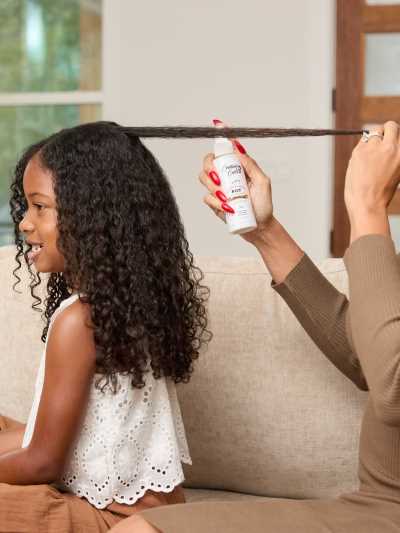
Confidence does not develop from one conversation or one hairstyle.
It grows through repeated experiences.
The small things you do during everyday hair care can influence how your child thinks about themselves over time.
Building healthy hair habits is not just about maintaining the hair itself.
It is also about teaching children:
- Patience.
- Responsibility.
- Self-respect.
- Appreciation for what makes them unique.
TEACH CHILDREN THAT HAIR CARE IS SELF-CARE
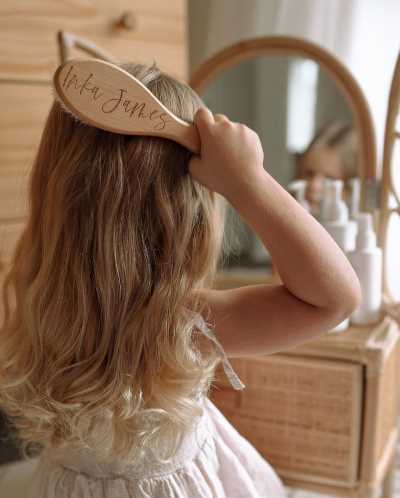
As children grow, they begin learning how to care for themselves.
Hair care can be part of that learning process.
Simple habits can include:
- Keeping hair accessories organized.
- Being gentle while touching their hair.
- Understanding why moisturizing is important.
- Helping prepare items for wash day.
- Learning how to protect their hairstyle at night.
These small responsibilities help children feel capable and involved.
CREATE FAMILY HAIR TRADITIONS
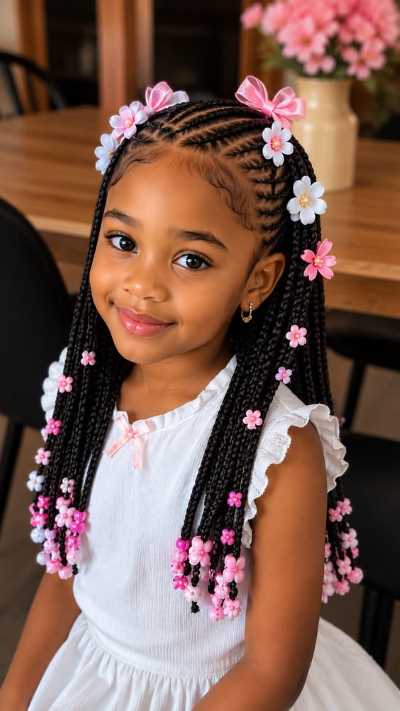
Some of the strongest memories come from simple family traditions.
Hair care can become one of those traditions.
Examples include:
- A special wash day routine every weekend.
- Choosing a new hairstyle for birthdays.
- Taking pictures of favorite hairstyles.
- Letting children pick accessories for holidays.
- Having conversations while styling hair.
These traditions help children see hair care as a meaningful part of family life.
HAIR CONFIDENCE ACTIVITIES FOR CHILDREN
Here are some simple activities families can try.
Create a Hairstyle Inspiration Book
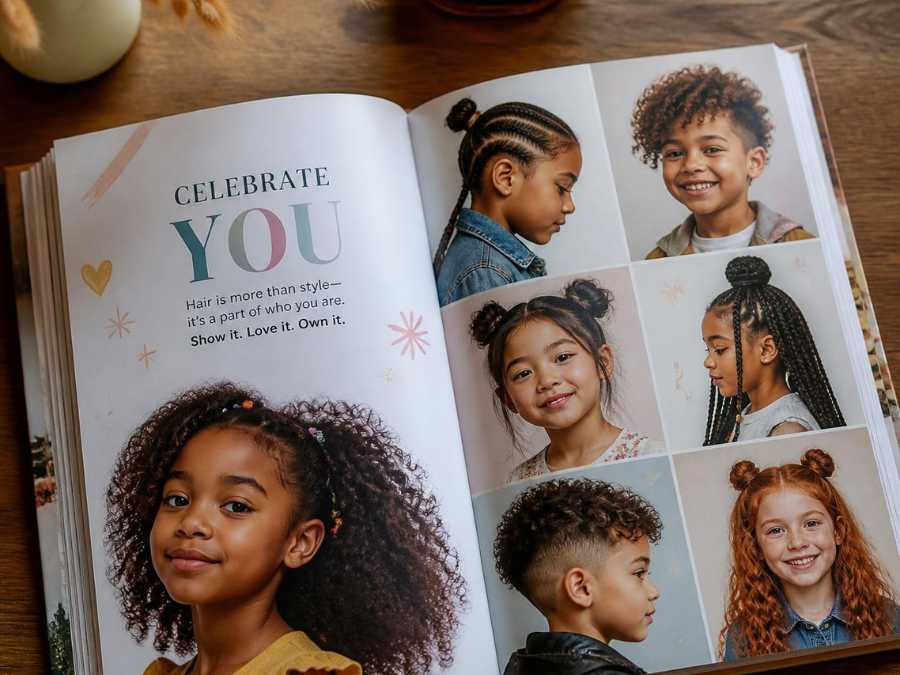
Allow your child to collect hairstyle ideas they like.
This can be a physical scrapbook or a digital collection.
It helps children:
- Express creativity.
- Understand their preferences.
- Participate in hairstyle decisions.
Celebrate Hair Milestones
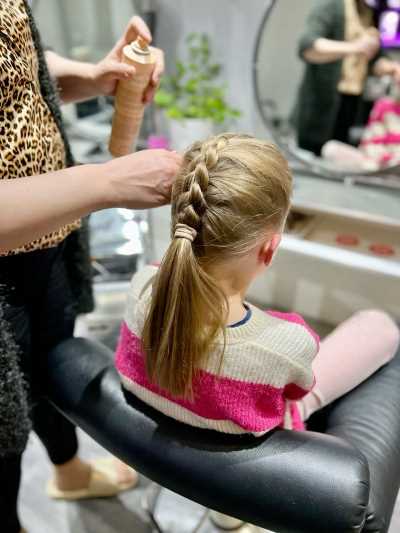
Hair milestones don’t have to be about length.
Celebrate things like:
- Learning to care for their hair.
- Trying a new hairstyle.
- Sitting patiently during styling.
- Helping with their routine.
Let Children Tell Their Hair Story
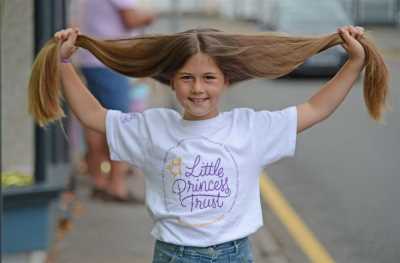
Ask questions like:
“What is your favorite hairstyle?”
“What makes your hair special?”
“Which hairstyle would you like to try someday?”
These conversations encourage children to think positively about their hair.
ASK A PARENT
“My child says they don’t like their hair because it is different from their friends. What should I do?”
First, listen.
Children want to feel understood before they want advice.
You can acknowledge their feelings by saying:
“I understand that sometimes it feels different. Lots of people have different kinds of hair, and every type of hair needs different care.”
Then gently help them recognize what makes their hair special.
Avoid immediately dismissing their feelings with statements like:
“Don’t say that, your hair is perfect.”
While well-intentioned, children often need understanding before encouragement.
HAIR CARE MYTH OF THE WEEK
Myth:
If a child loves their hairstyle, they will automatically have confidence.
Fact:
A hairstyle can make a child feel happy, but true confidence comes from feeling accepted, respected, and valued.
FREQUENTLY ASKED QUESTIONS
At what age should I start teaching my child about hair care?
You can begin introducing simple hair care habits from a young age.
Toddlers can learn that hair care is a normal part of getting ready, while older children can gradually take on more responsibility.
The key is making lessons age-appropriate.
What if my child doesn’t like their natural hair?
Many children go through phases where they compare themselves with others.
This is an opportunity for gentle conversations.
Help them understand that differences are normal and that all hair types deserve care and appreciation.
Should I allow my child to choose their hairstyles?
Whenever appropriate, yes.
Allowing children to have a voice helps them develop independence and confidence.
Parents can still guide choices based on comfort, practicality, and hair health.
How can I make hair time less stressful?
Try:
- Starting when you are not rushed.
- Preparing your tools beforehand.
- Giving your child choices.
- Taking breaks when needed.
- Keeping conversations positive.
A calm environment often makes a bigger difference than the hairstyle itself.
What if my child refuses to sit for hair care?
Try understanding the reason behind the resistance.
They may be:
- Tired.
- Uncomfortable.
- Afraid of pulling.
- Bored.
- Feeling like they have no control.
Small changes can help, such as shorter sessions, distractions, or allowing them to participate.
MYTH VS FACT
| Myth | Fact |
| Children only care about the hairstyle. | Children often care more about how the experience makes them feel. |
| Confidence comes from having perfect hair. | Confidence grows from acceptance, encouragement, and self-respect. |
| Children are too young to learn hair care habits. | Simple habits can be introduced at an early age. |
| Comparing hairstyles motivates children. | Comparison can make children feel inadequate. |
| Hair care is only about appearance. | Hair care can teach responsibility, patience, and self-care. |
KIDDIES HAIR HUB PARENT CORNER
Every child deserves to grow up knowing that their hair is something to care for, celebrate, and appreciate.
The goal is not to create a child who believes they must look a certain way to feel confident.
The goal is to raise a child who understands that they are valuable, and their hair is simply one beautiful part of who they are.
The conversations you have today can influence how your child sees themselves tomorrow.
QUICK TAKEAWAYS
- Hair care can be a powerful confidence-building experience.
- The words parents use during hair time matter.
- Children benefit from being included in age-appropriate decisions.
- Healthy hair habits can teach responsibility and self-care.
- Avoid comparing your child’s hair to others.
- Focus on creating positive memories, not perfect hairstyles.
CONCLUSION
Hair care is about much more than creating beautiful hairstyles.
It is about creating moments where children feel seen, valued, and cared for.
Every detangling session, every hairstyle choice, every encouraging word, and every patient conversation contributes to the way children view themselves.
A child who learns to appreciate their hair is learning something much bigger:
That they are worthy of care.
They are unique.
That they do not need to change who they are to be confident.
At Kiddies Hair Hub, we believe that healthy hair and healthy confidence grow together.
Because the most important thing a child can wear is not a hairstyle.
It is confidence.
HOW TO KEEP TODDLER HAIR MOISTURIZED IN SUMMER
Best Protective Hairstyles for Toddlers: Gentle Styles That Keep Little Hair Healthy
Signs Your Child’s Hairstyle Is Too Tight and What to Do About It
How to Moisturize Children’s Natural Hair Without Making It Greasy
How to Prevent Hair Breakage in Children’s Natural Hair: Practical Tips for Stronger, Healthier Hair
How to Build Your Child’s Confidence Through Positive Hair Care
How to Create a Weekly Hair Care Routine for Your Child That Actually Works
How to Choose the Right Hair Accessories for Kids Without Causing Hair Damage
Why Your Child’s Hair Isn’t Retaining Length and What Parents Can Do
Leave a Reply