How to Prevent Hair Breakage in Children’s Natural Hair: Practical Tips for Stronger, Healthier Hair
Hair breakage in children usually happens when the hair becomes weak from dryness, rough handling, excessive tension, or inconsistent hair care.
A gentle routine, regular moisture, protective styling, and careful detangling can help reduce breakage and support healthier hair over time. https://kiddieshairhub.com/wp-admin/post.php?post=153&action=edit
TABLE OF CONTENTS
- Hair Growth vs. Hair Breakage
- Why Children’s Hair Breaks
- Early Signs of Hair Breakage
- Common Causes of Hair Breakage
- How to Reduce Breakage
- Mistakes Parents Often Make
- Frequently Asked Questions
- Conclusion
How to prevent hair breakage in children’s natural hair
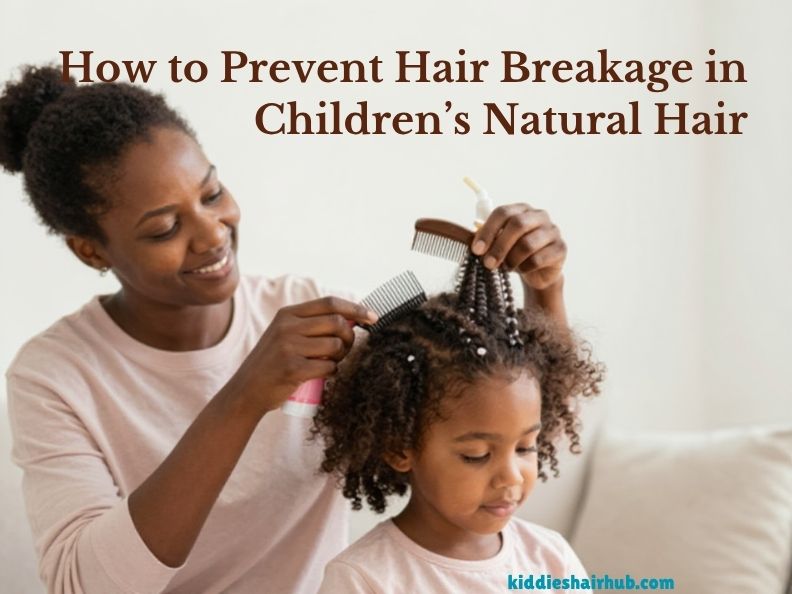
Many parents feel discouraged when they notice short pieces of hair on the comb, bathroom sink, or styling chair.
The first thought is often:
“My child’s hair isn’t growing.”
In many cases, that isn’t actually what’s happening.
The hair may be growing from the scalp exactly as it should.
The problem is that the ends are breaking at nearly the same rate as new hair is growing.
This is called hair breakage, and it is one of the most common reasons parents struggle to see length retention in children’s natural hair.
The good news is that breakage is often something you can reduce with consistent, gentle care.
You do not need a complicated routine or dozens of products.
Instead, understanding why breakage happens allows you to make simple changes that protect your child’s hair over time.
In this guide, we’ll explain what hair breakage is, why it happens, how to recognize it early, and practical ways to help your child’s natural hair stay stronger and healthier.
WHAT IS HAIR BREAKAGE?
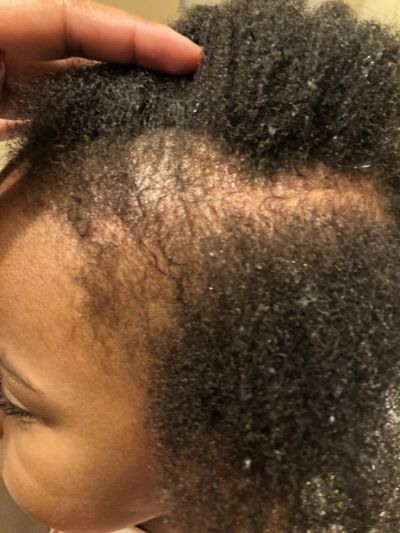
Hair breakage happens when strands snap somewhere along their length instead of naturally shedding from the root.
Every child loses some hair as part of the normal growth cycle.
That is completely natural.
Breakage is different.
Instead of the strand completing its normal life cycle, it becomes weak and breaks before reaching its full length.
Over time, repeated breakage can make the hair appear thinner, uneven, or difficult to grow longer.
Understanding this difference helps parents respond appropriately instead of assuming hair growth has stopped.
HAIR GROWTH VS. HAIR BREAKAGE
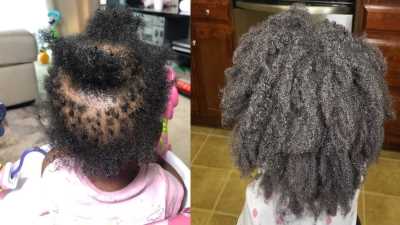
One of the easiest ways to understand the difference is to look at the hair you find after styling.
Naturally shed hairs often have a tiny white bulb at one end because they have completed their growth cycle.
Broken hairs usually do not.
They are often shorter than the rest of the hair and may have uneven or frayed ends.
While parents do not need to inspect every strand, recognizing the difference can help you understand what your child’s hair is telling you.
KIDDIES HAIR HUB PARENT CORNER
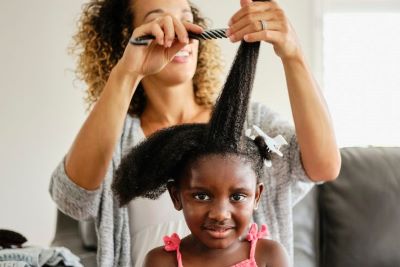
One of the biggest misconceptions about children’s natural hair is that longer hair always means healthier hair.
Healthy hair should always be the first goal.
When hair is healthy, length often follows naturally over time.
Instead of measuring success by inches, notice improvements such as: https://kiddieshairhub.com/wp-admin/post.php?post=58&action=edit
- Less hair left in the comb.
- Easier detangling.
- Softer texture.
- Fewer knots.
- Stronger-looking ends.
These changes often appear before noticeable length.
QUICK WIN
The next time you style your child’s hair, pay attention to where breakage happens.
Is it around the edges?
Near the ends?
In one particular section?
Patterns can help you identify habits that may be causing unnecessary stress on the hair.
HAIR CARE MYTH OF THE WEEK
Myth
Children’s hair breaks because it grows slowly.
Fact
Hair growth and hair breakage are different.
Many children experience normal hair growth while losing length because fragile strands break before they have a chance to become longer.
Reducing breakage is often more effective than searching for products that promise faster hair growth.
ASK A PARENT
“I keep trimming my child’s hair, but it still seems to break. Why?”
Trimming removes damaged ends, but it does not address the habits that caused the damage.
If dryness, rough detangling, excessive tension, or friction continue, new breakage can still happen.
Healthy hair comes from a complete routine, not one single step.
AGE SPOTLIGHT
Toddlers (2–4 Years)
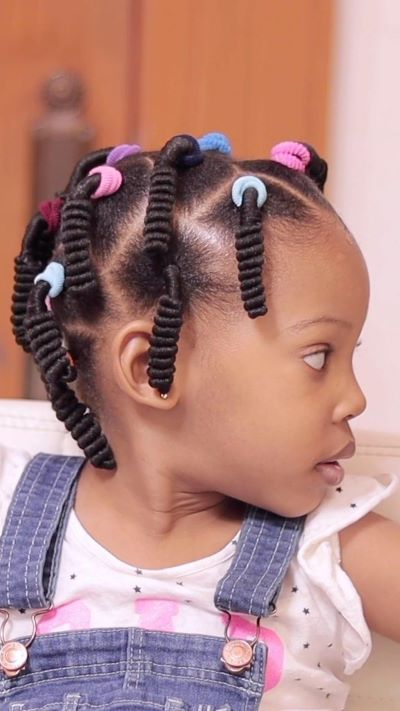
Hair is often finer and more delicate.
Choose comfortable hairstyles and avoid unnecessary pulling.
Preschoolers (4–6 Years)
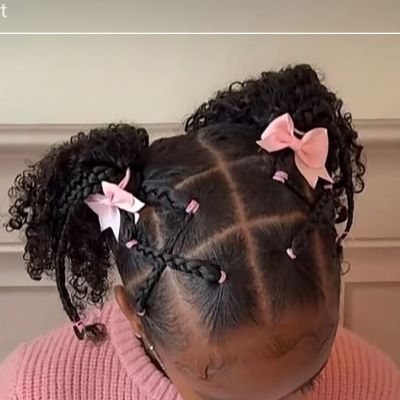
This is a great age to introduce gentle hair care habits and explain why hair should be handled carefully.
School-Age Children (7–12 Years)
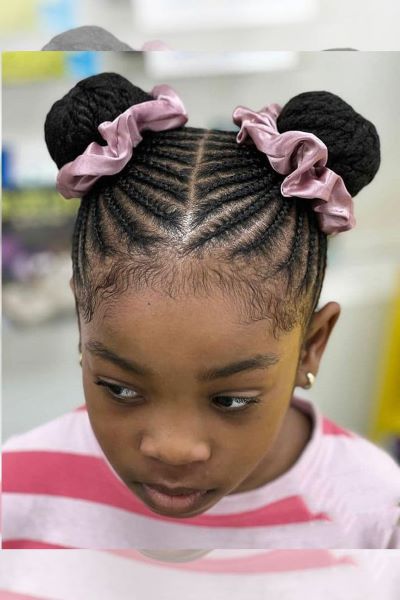
Older children can begin recognizing when their hair feels dry or tangled and learn simple habits that protect it between styling sessions.
HAIR TALK WITH YOUR CHILD
Instead of saying:
“Stop moving or you’re making your hair break.”
Try saying:
“Let’s be gentle with your hair because every strand is important. Taking care of it helps keep it healthy and strong.”
This teaches children that hair care is about protection rather than fear.
WHY CHILDREN’S NATURAL HAIR IS MORE PRONE TO BREAKAGE
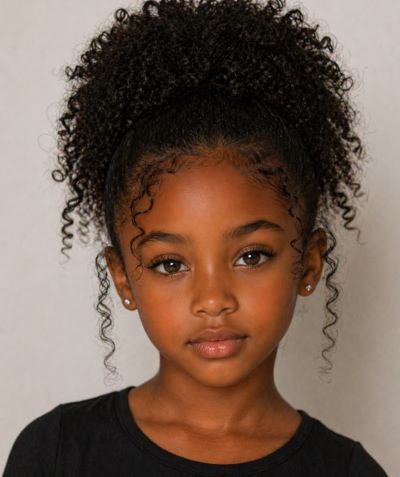
Natural curls and coils are beautiful, but they also have unique characteristics.
Each bend and curve along the hair strand can become a point where the hair is slightly more vulnerable to stress.
This does not mean natural hair is weak.
It simply means it benefits from thoughtful handling and routines that reduce unnecessary tension.
When hair is kept moisturized, detangled carefully, and protected from excessive friction, those curls and coils can thrive.
WHAT CAUSES HAIR BREAKAGE IN CHILDREN?
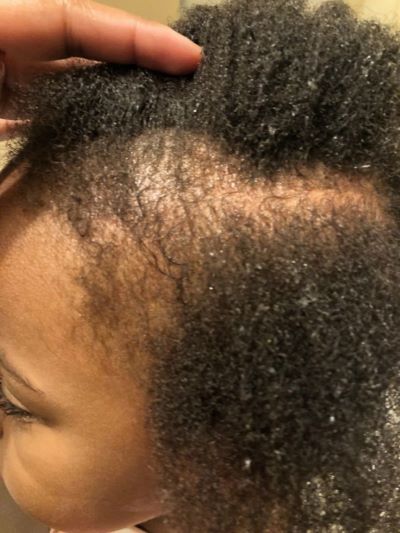
Hair breakage rarely happens because of one single problem.
More often, it develops gradually through everyday habits.
The encouraging news is that many of these habits can be improved.
Let’s look at the most common causes.
1. Dry Hair That Lacks Moisture
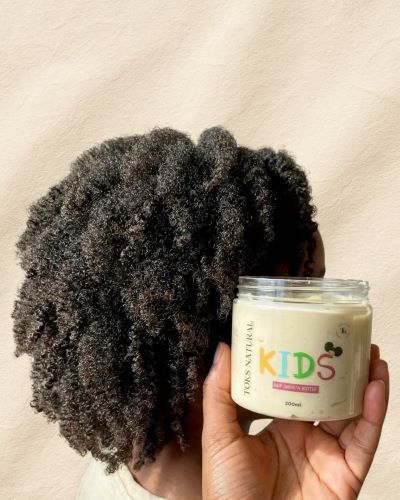
One of the leading causes of hair breakage is dryness.
When hair loses moisture, it becomes less flexible.
Instead of bending gently during combing or styling, dry strands are more likely to snap.
Think about a fresh tree branch compared to a dry one.
The fresh branch bends before it breaks.
The dry branch snaps much more easily.
Hair behaves in a similar way.
Keeping your child’s hair properly moisturized helps it stay more flexible during everyday handling.
This is one reason your moisture routine plays such an important role in preventing breakage.
2. Rough Detangling
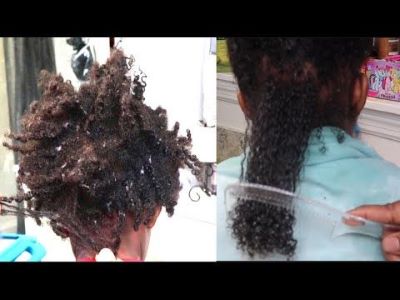
Many children experience breakage during detangling rather than during the rest of the week.
This usually happens when:
- Hair is heavily tangled.
- Large sections are combed at once.
- The hair is handled too quickly.
- The strands are pulled instead of gently separated.
Detangling should never feel like a race.
Working patiently in manageable sections allows knots to loosen more naturally and places less stress on the hair.
3. Hairstyles That Create Too Much Tension
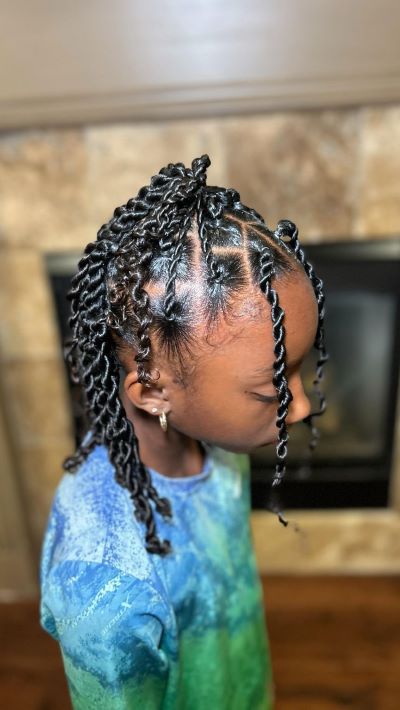
Protective hairstyles are designed to reduce daily manipulation.
However, they should never feel painful.
Styles that are too tight can place unnecessary stress on:
- The hair strands.
- The hairline.
- The scalp.
Signs that a hairstyle may be too tight include:
- Complaints of pain.
- Redness around the scalp.
- Small bumps near the hairline.
- Difficulty sleeping after styling.
- Hair breaking around the edges.
Comfort should always come before appearance.
A neat hairstyle should never cause discomfort.
4. Too Much Daily Manipulation
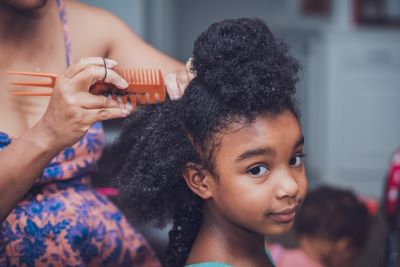
Children often enjoy trying new hairstyles.
Parents also enjoy creating different looks.
However, constantly taking hair down and restyling it can increase breakage over time.
Every time hair is combed, brushed, or restyled, it experiences some level of manipulation.
Allowing suitable hairstyles to remain neat for several days helps reduce unnecessary handling.
5. Friction Throughout the Day
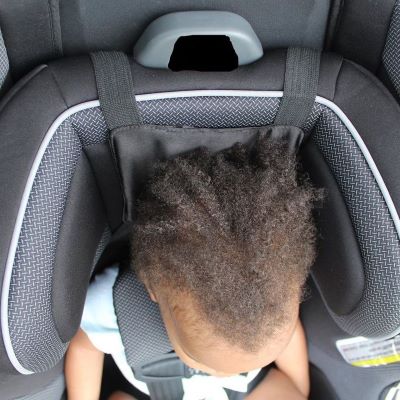
Hair comes into contact with many surfaces.
Examples include:
- Pillowcases.
- Car seats.
- Hoodies.
- Winter hats.
- Backpack straps.
- High collars.
Over time, repeated rubbing can contribute to dryness and breakage.
While it is impossible to eliminate all friction, being aware of it helps parents make small adjustments where practical.
6. Skipping Regular Trims When Needed
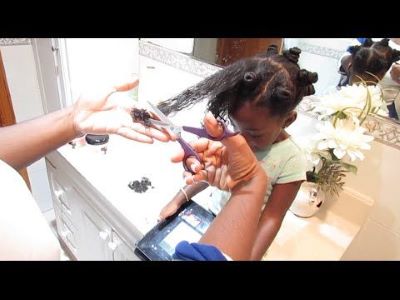
Photocredit
This topic often causes confusion.
A trim does not make hair grow faster.
However, removing noticeably damaged ends can help prevent splits from traveling farther up the strand.
Healthy ends are usually easier to manage and less likely to tangle.
Not every child needs frequent trims.
Instead, observe your child’s hair and trim when the ends appear worn or difficult to manage.
7. Product Buildup
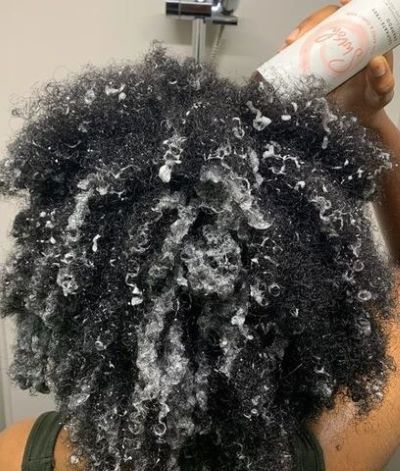
Using several products without properly cleansing the hair can lead to buildup.
When products accumulate on the hair, moisture may not reach the strands as effectively.
The hair may begin to feel:
- Heavy.
- Dull.
- Rough.
- Difficult to moisturize.
A consistent cleansing routine helps remove buildup and prepares the hair to receive moisture again.
HOW TO REDUCE HAIR BREAKAGE
Preventing breakage does not require a complicated routine.
Small, consistent habits often produce the best long-term results.
Build a Moisture-First Routine
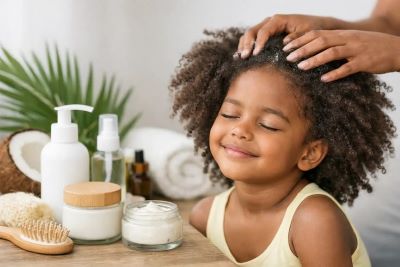
Healthy hair begins with moisture.
A routine that supports moisture throughout the week helps reduce dryness, making the hair more flexible during styling and everyday activities.
Instead of waiting until the hair feels extremely dry, maintain moisture consistently.
Handle Hair Gently
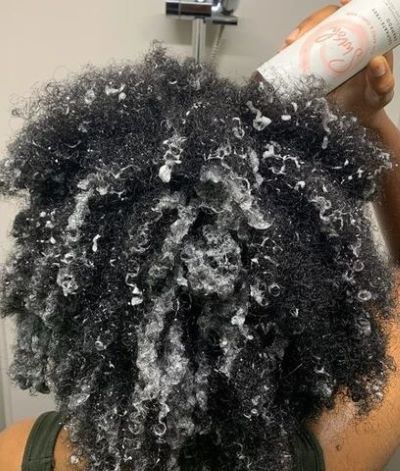
Every interaction with your child’s hair matters.
Whether you are:
- Washing.
- Moisturizing.
- Braiding.
- Detangling.
- Removing accessories.
Gentle movements protect the hair from unnecessary stress.
Taking an extra few minutes today may help prevent breakage tomorrow.
Divide Hair Into Sections
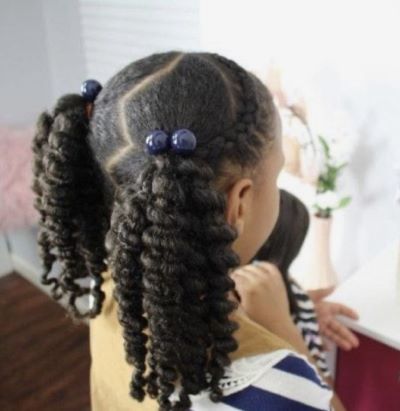
Working in sections gives you better control.
It allows products to be distributed more evenly and reduces pulling while detangling.
Even children with shorter hair often benefit from sectioning.
It helps keep the process organized and makes it easier to focus on one area at a time.
Choose Hairstyles That Match Your Child’s Lifestyle
An active child who runs, plays sports, or enjoys outdoor activities may benefit from hairstyles that stay secure without placing excessive tension on the hair.
The best hairstyle is not always the most elaborate one.
Sometimes a simple, comfortable style provides better protection throughout the week.
Protect Hair at Night

Many parents notice that hair looks much drier after several nights without protection.
Nighttime care helps reduce unnecessary friction while your child sleeps.
A consistent bedtime routine supports moisture retention and helps hairstyles stay neat for longer.
Encourage Healthy Hair Habits
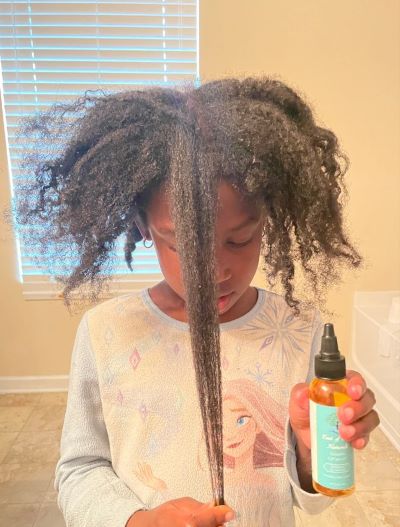
As children grow, involve them in caring for their own hair.
Simple responsibilities may include:
- Putting away hair accessories.
- Helping organize wash day supplies.
- Recognizing when their hair feels dry.
- Learning why gentle handling matters.
These small lessons help children develop lifelong healthy habits.
KIDDIES HAIR HUB PARENT CORNER
Many parents worry that they have damaged their child’s hair beyond repair.
In most cases, that is not true.
Hair care is a journey.
One difficult week, one rushed hairstyle, or one imperfect wash day will not determine your child’s long-term hair health.
What matters most is the routine you build over time.
Consistency almost always produces better results than perfection.
QUICK WIN
At the end of each wash day, take one minute to look at your child’s hair.
Ask yourself:
- Does it feel softer than before?
- Was detangling easier?
- Were there fewer broken hairs?
- Does the hairstyle feel comfortable?
These quick observations help you recognize progress that might otherwise go unnoticed.
DID YOU KNOW?
Children’s hair often changes as they grow.
Hair texture, thickness, and density can all develop over time.
That means a routine that worked two years ago may no longer meet your child’s current needs.
Reviewing your routine every few months helps ensure it continues to support healthy hair.
REAL-LIFE SCENARIO
Imagine two parents.
Both want their children to have long, healthy natural hair.
The first parent changes products every week, hoping to find a miracle solution.
The second parent follows a simple routine:
- Cleanses regularly.
- Moisturizes consistently.
- Detangles gently.
- Chooses comfortable protective styles.
- Protects the hair at night.
Six months later, the second parent’s child is more likely to have healthier, stronger hair, not because of one special product, but because of consistent care.
This is an important reminder that healthy hair is built through everyday habits rather than quick fixes.
SIGNS YOUR CHILD’S HAIR CARE ROUTINE IS WORKING
Healthy hair changes gradually.
Many parents expect dramatic results within a few weeks, but stronger hair is usually built through small improvements that happen over time.
Instead of focusing only on length, pay attention to signs that show your routine is supporting healthier hair.
You may notice:
- Less hair left on the comb after detangling.
- Fewer broken strands on clothing or the bathroom sink.
- Hair that feels softer and more flexible.
- Easier detangling with fewer knots.
- Hairstyles that stay neat for longer.
- Ends that look healthier and are easier to manage.
- Your child becoming more comfortable during hair care.
These changes often appear long before you notice significant length.
Celebrate these milestones because they show your child’s hair is becoming healthier.
HOW LONG DOES IT TAKE TO SEE LESS BREAKAGE?
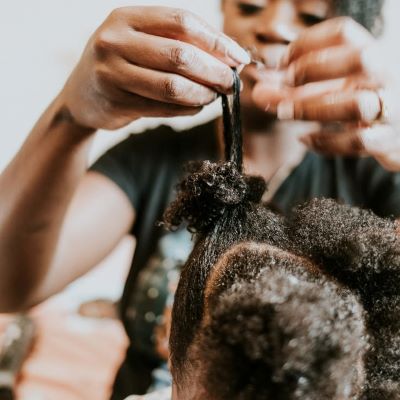
This is one of the questions parents ask most often.
The answer depends on several factors, including:
- Your child’s current hair condition.
- How consistently the routine is followed.
- Daily hair care habits.
- Lifestyle and activity level.
- Hair texture and density.
Many families begin noticing small improvements within several weeks after making consistent changes.
However, healthier hair is not built overnight.
Every gentle wash day, every careful detangling session, and every comfortable hairstyle contributes to long-term progress.
Patience is one of the most valuable tools in natural hair care.
WHEN SHOULD PARENTS SEEK PROFESSIONAL ADVICE?
Most breakage improves with gentle, consistent hair care.
However, there are times when professional advice may be helpful.
Consider speaking with a healthcare professional or dermatologist if you notice:
- Hair breaking suddenly without an obvious cause.
- Noticeable patches of hair loss.
- Persistent scalp redness, swelling, or sores.
- Severe itching that does not improve.
- Hair changes accompanied by other concerning symptoms.
These situations may have causes beyond routine hair care and deserve proper evaluation.
BREAKAGE PREVENTION CHECKLIST (How to prevent hair breakage in children’s natural hair)
Use this checklist to review your routine every week.
Moisture
- Is my child’s hair staying comfortably moisturized between wash days?
- Am I refreshing moisture before the hair becomes extremely dry?
Detangling
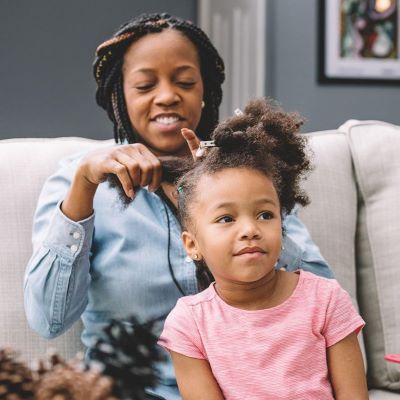
- Am I working in sections?
- Am I being patient instead of rushing?
Hairstyles
- Is the hairstyle comfortable?
- Does my child complain that it hurts?
- Am I avoiding unnecessary tension around the edges?
Nighttime Care

- Is the hair protected while my child sleeps?
- Does the hairstyle still look neat the next morning?
Routine
- Am I being consistent instead of constantly changing products?
If you answered “yes” to most of these questions, your routine is likely moving in the right direction.
ASK A PARENT
“My child’s hair keeps breaking in one particular area. Why?”
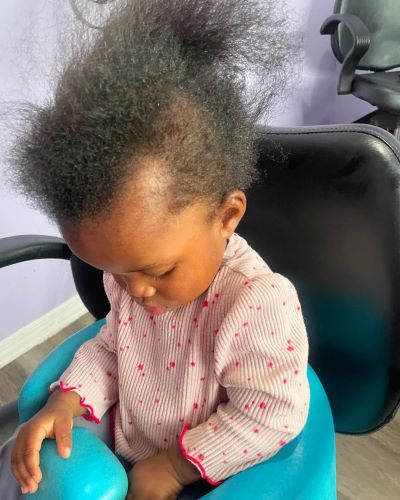
Hair that breaks in the same place repeatedly often points to a specific source of stress.
It could be caused by:
- Friction from clothing.
- Repeated tight styling.
- A favourite sleeping position.
- Rough detangling in that section.
Spend a few weeks observing when and where the breakage happens.
Small adjustments to your routine can often make a noticeable difference.
FREQUENTLY ASKED QUESTIONS
Can children completely avoid hair breakage?
Not entirely.
Some breakage is part of everyday life.
The goal is not to eliminate every broken strand.
The goal is to reduce unnecessary breakage so your child’s hair has the opportunity to retain length and remain healthy.
Do protective hairstyles stop breakage?
Protective hairstyles can help reduce breakage when they are installed and maintained properly.
However, hairstyles that are too tight or left in for too long may have the opposite effect.
Protection should never come at the expense of comfort.
Does cutting my child’s hair make it grow faster?
No.
Hair grows from the scalp, not from the ends.
Trimming helps remove damaged ends, which may improve the overall appearance and manageability of the hair, but it does not increase the rate of hair growth.
Why does my child’s hair break most during combing?
Hair is under the greatest amount of physical stress during detangling.
If the hair is dry, tangled, or handled roughly, breakage becomes more likely.
Preparing the hair properly before combing can make a significant difference.
How often should I check for signs of breakage?
You do not need to inspect the hair every day.
Instead, pay attention during regular wash days and styling sessions.
Over time, you will begin to notice patterns that help you adjust your routine.
MYTH VS. FACT
| Myth | Fact |
| Hair breakage means the hair has stopped growing. | Hair can continue growing while breaking at the ends. |
| Tight hairstyles help hair last longer, so they are always better. | Hairstyles should be secure but comfortable. Excessive tension can increase breakage. |
| The best way to stop breakage is to buy more products. | Healthy routines are usually more important than having many products. |
| Children should never lose hair. | Some daily shedding is normal as part of the hair growth cycle. |
| Healthy hair is measured only by length. | Healthy hair is also soft, manageable, resilient, and cared for consistently. |
KIDDIES HAIR HUB PARENT CORNER(How to prevent hair breakage in children’s natural hair)
Parents often compare their child’s hair journey with what they see on social media.
Try not to.
Every child’s hair grows at its own pace and responds differently to care.
Instead of asking,
“Why doesn’t my child’s hair look like someone else’s?”
Ask,
“Is my child’s hair healthier than it was a few months ago?”
That simple change in perspective allows you to celebrate progress instead of chasing perfection.
Your consistency, patience, and willingness to learn are already giving your child something valuable.
Healthy hair habits that can last a lifetime.
QUICK TAKEAWAYS
- Hair breakage and hair growth are not the same thing.
- Dry hair is more likely to break than moisturized hair.
- Gentle detangling helps protect fragile strands.
- Comfortable protective hairstyles reduce unnecessary stress on the hair.
- Nighttime hair protection supports moisture retention and reduces friction.
- Consistency is one of the most important parts of preventing breakage.
Hair breakage can feel discouraging, especially when you are putting time and effort into caring for your child’s natural hair.
However, breakage is not a sign that you have failed.
It is often your child’s hair telling you that it needs a little more protection, moisture, or gentleness.
The encouraging news is that small, consistent improvements can make a meaningful difference over time.
You do not need the most expensive products or the most complicated routine.
You need habits that you can maintain week after week.
When you focus on moisture, gentle handling, comfortable hairstyles, and regular care, you create the conditions that help children’s natural hair become stronger and healthier.
At Kiddies Hair Hub, our goal is not simply to help parents create beautiful hairstyles.
Our goal is to help families build healthy hair habits, strengthen confidence, and enjoy the journey of caring for children’s natural hair together.
Because every child deserves hair care that is gentle, thoughtful, and filled with encouragement.
Prevent Hair Breakage in Children’s Natural Hair
How to Build Your Child’s Confidence Through Positive Hair Care
Practical Tips for Stronger, Healthier Hair
How to Build Your Child’s Confidence Through Positive Hair Care
How to Create a Weekly Hair Care Routine for Your Child That Actually Works
Why Your Child’s Hair Isn’t Retaining Length and What Parents Can Do
Leave a Reply