Signs Your Child’s Hairstyle Is Too Tight and What to Do About It
A child’s hairstyle may be too tight if it causes pain, redness, bumps, headaches, excessive tension around the hairline, or difficulty sleeping.
Protective styles should feel secure but never painful or uncomfortable.https://kiddieshairhub.com/wp-admin/post.php?post=15&action=edit
TABLE OF CONTENTS
- Why Tight Hairstyles Are a Concern
- Why Children Are More Sensitive to Tight Styles
- Signs a Hairstyle Is Too Tight
- What Can Happen if Tight Hairstyles Continue
- What to Do If the Style Is Too Tight
- How to Prevent Tight Hairstyles in the Future
- Parent Checklist
- FAQs
- Conclusion
INTRODUCTION
Your child just had their hair braided, and the style looks beautiful.
However, later that evening, they keep touching their head, complaining that it hurts, or having trouble sleeping.
You begin wondering:
“Is this normal?”
Many parents have been told that a little discomfort is simply part of getting braids done.
However, pain should never be considered a requirement for a good hairstyle.
In fact, children’s scalps are delicate and sensitive.
A hairstyle that is too tight can cause discomfort and may even place unnecessary stress on the hair and scalp.
The good news is that there are warning signs you can learn to recognize early.
Knowing what to look for can help you make better decisions and support your child’s healthy hair journey.
WHY TIGHT HAIRSTYLES ARE A CONCERN

Protective hairstyles are meant to protect the hair.
However, when they are installed too tightly, they may do the opposite.
Excessive tension can place stress on:
- The scalp
- The hairline
- Individual hair strands
- Sensitive areas around the temples and edges
As a result, the hairstyle may become uncomfortable instead of protective.
WHY CHILDREN ARE MORE SENSITIVE TO TIGHT STYLES
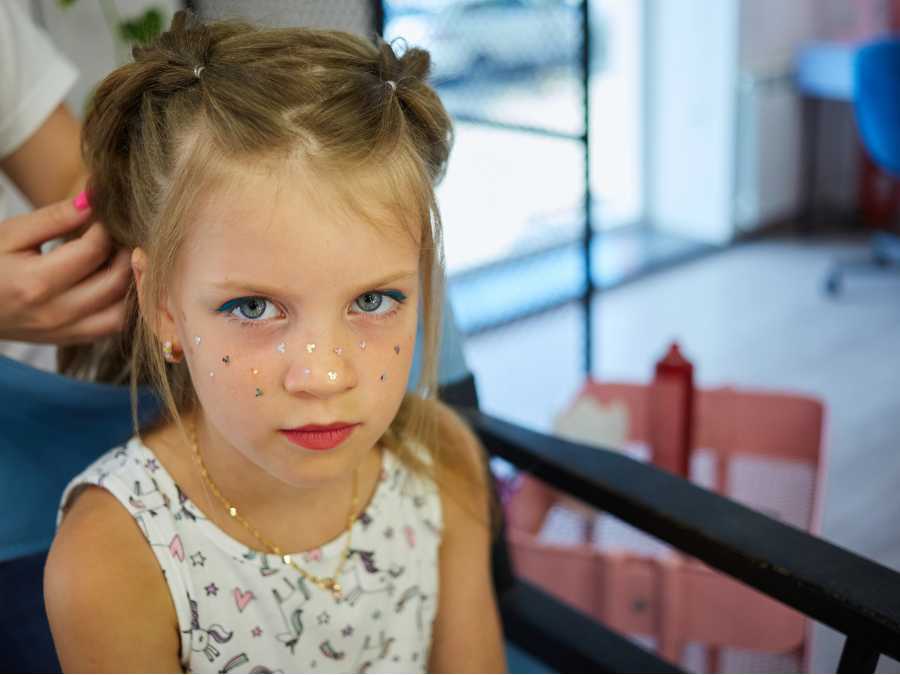
Children often have:
Delicate scalps
Fine baby hairs around the edges
Lower tolerance for discomfort
Sensitive skin
Therefore, a hairstyle that feels acceptable to an adult may not feel comfortable for a child.
DID YOU KNOW?
Children sometimes do not complain immediately.
Instead, they may show signs of discomfort through their behavior, such as avoiding sleep, touching their head frequently, or becoming unusually irritable.
10 SIGNS YOUR CHILD’S HAIRSTYLE IS TOO TIGHT
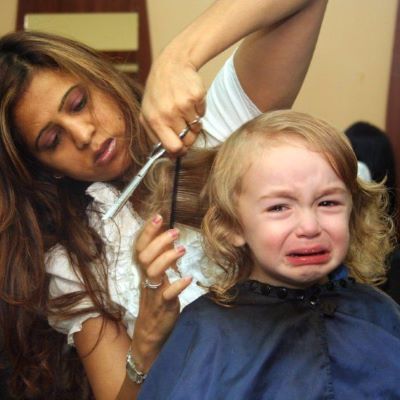
1. Your Child Says It Hurts
Photocredithttps://pin.it/LeRuRmgS2
This is the most important sign.
If your child says their hairstyle hurts, listen carefully.
Children should never be expected to tolerate pain simply because a hairstyle is new.
This is one of the signs your child’s hairstyle is too tight
2. Redness Around the Hairline
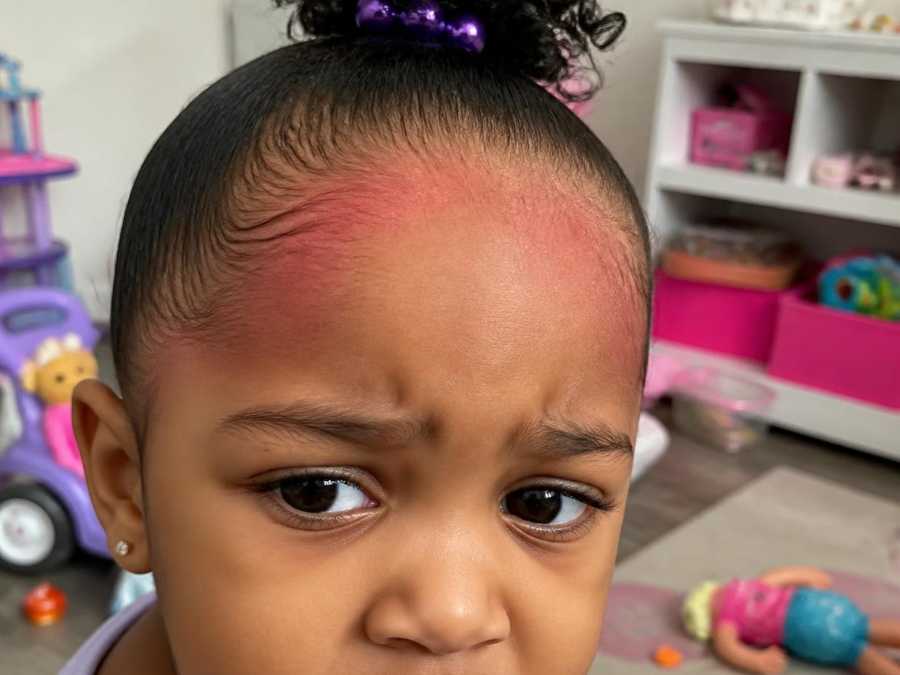
Redness may indicate that the scalp is under too much tension.
This is one easy signs your child’s hairstyle is too tight.
3. Small Bumps on the Scalp
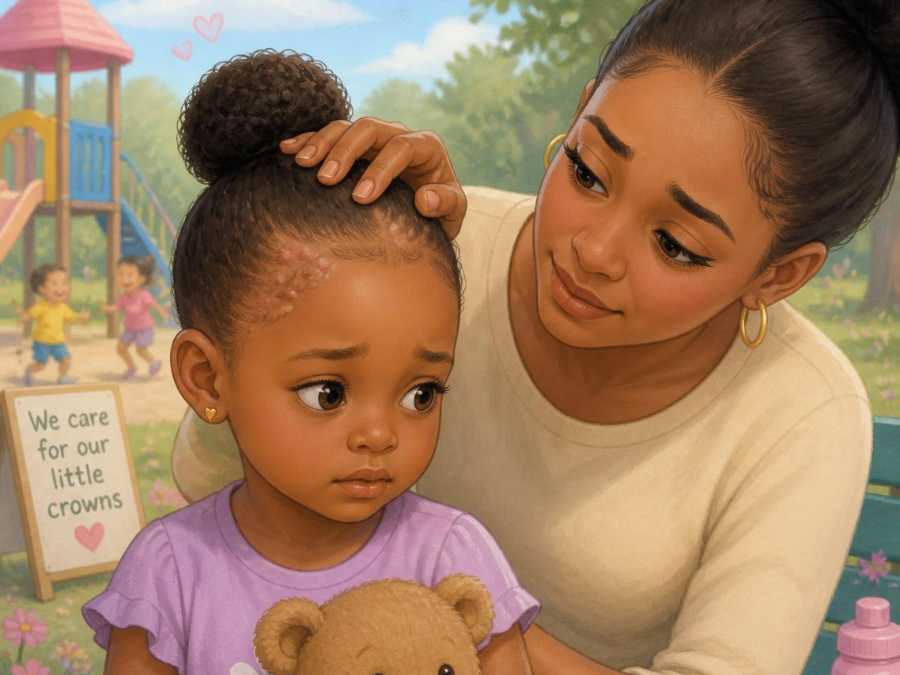
Bumps can develop when the scalp becomes irritated.
4. Your Child Cannot Sleep Comfortably
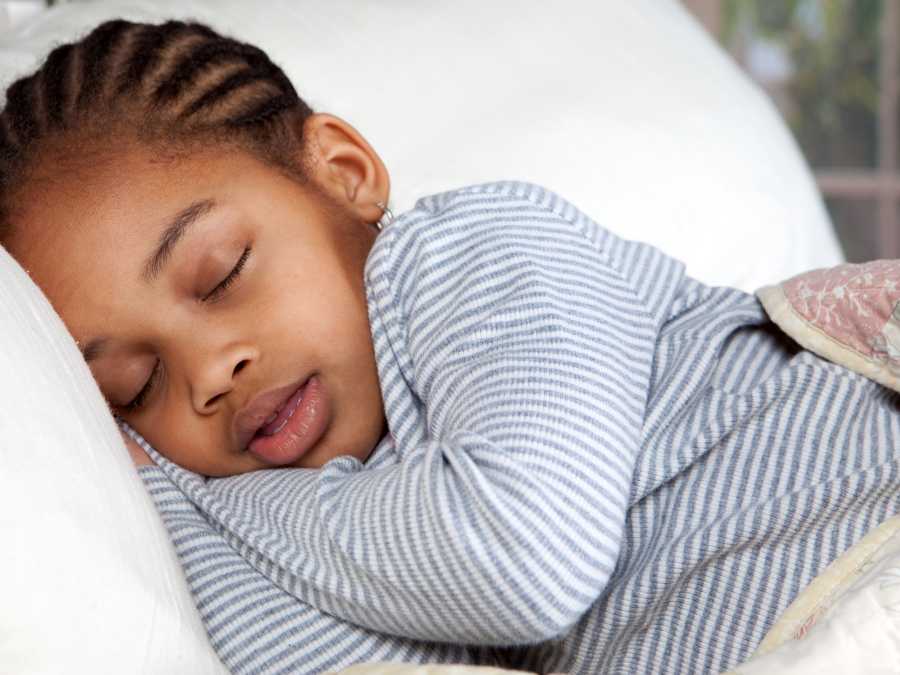
Some children struggle to lie down because their scalp feels sore.
This is another way to know the signs your child’s hairstyle is too tight
5. Constant Headaches
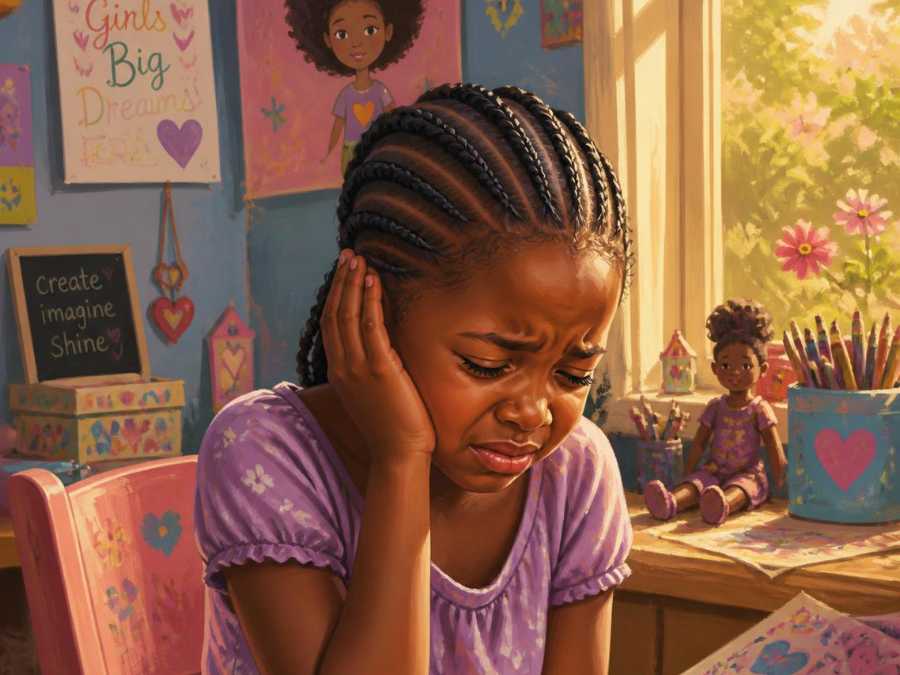
A hairstyle that is pulling too tightly can sometimes lead to headaches or general discomfort.
6. Your Child Keeps Touching Their Hair
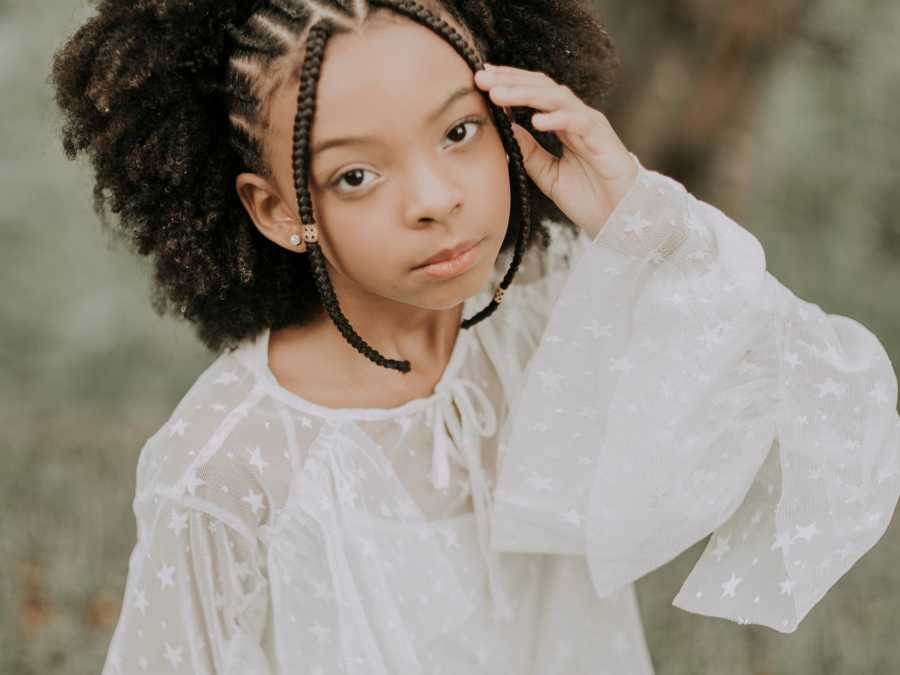
Frequent touching or scratching can be a sign that something feels uncomfortable.
7. Shiny or Stretched Scalp
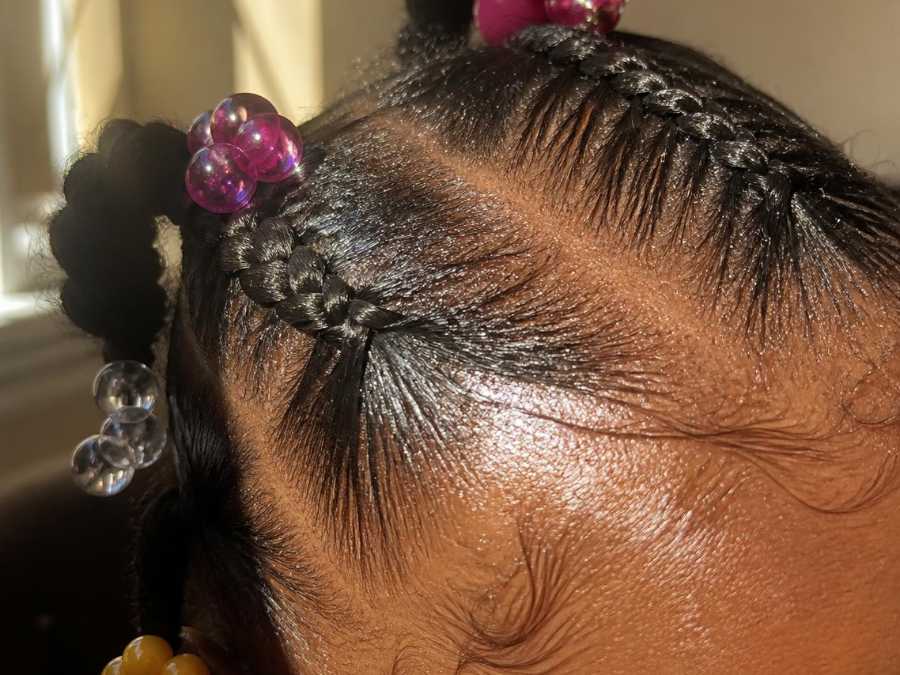
If the scalp looks overly tight or shiny, there may be too much tension.
8. Tears During Styling That Continue Afterward
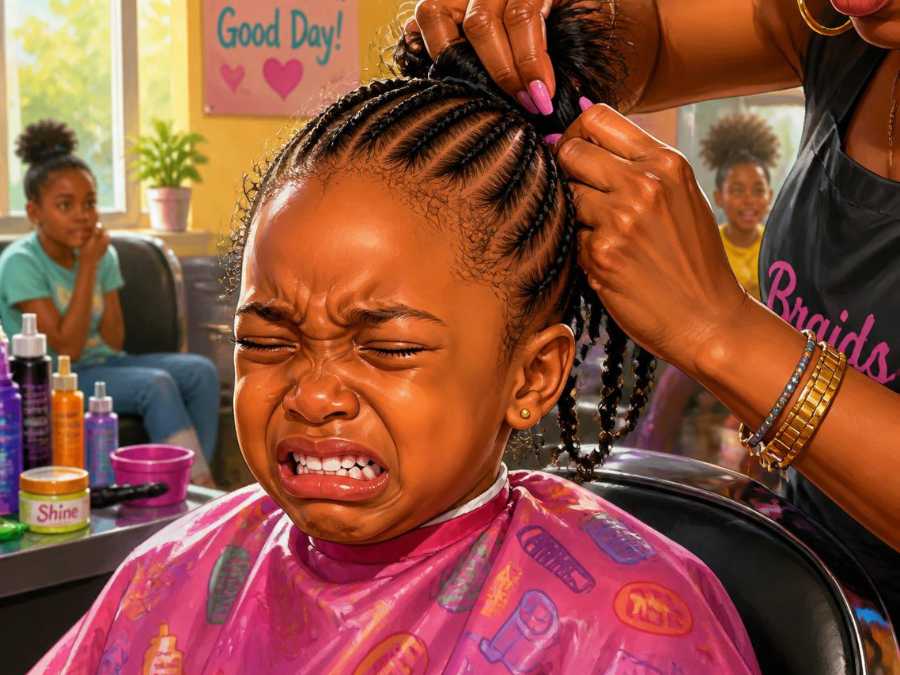
Some discomfort during styling may happen. However, ongoing pain afterward should not be ignored.
9. Tiny Hairs Coming Out Around the Edges
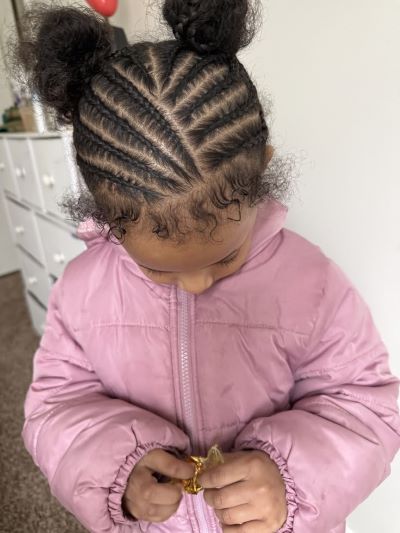
Photocredithttps://pin.it/1LoPIyORj
The delicate hairs around the hairline are especially vulnerable to excessive tension.
10. Your Child Avoids Certain Movements
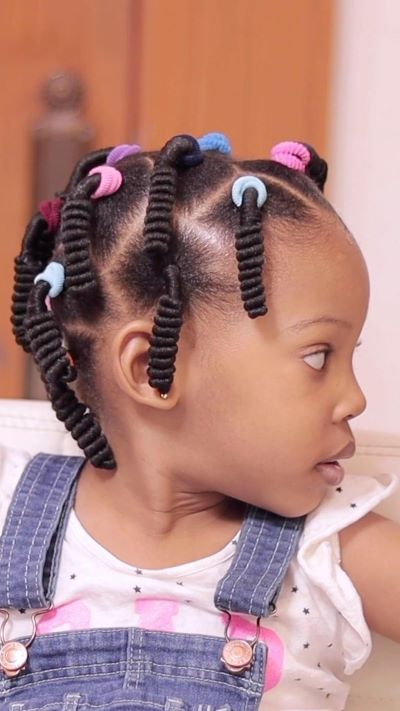
Photocredithttps://pin.it/4OJuWFlkA
If your child avoids turning their head or touching the hairstyle, it may be causing discomfort.
With this you will see the signs your child’s hairstyle is too tight
KIDDIES HAIR HUB PARENT CORNER
A hairstyle can be neat, beautiful, and long-lasting without being painful.
One of the best habits you can develop is believing your child when they say something doesn’t feel right.
Comfort should always come before longevity.
WHAT CAN HAPPEN IF TIGHT HAIRSTYLES CONTINUE?
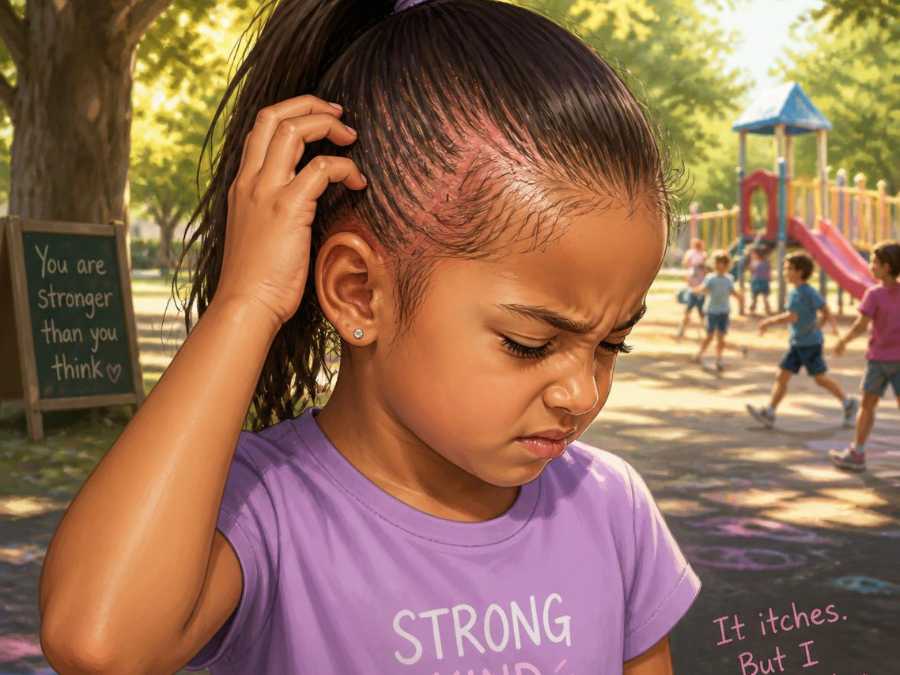
Keeping hairstyles too tight repeatedly may lead to:
- Scalp irritation
- Increased breakage
- Discomfort during styling
- A negative relationship with hair care
- Stress on delicate edges
This is why gentle styling habits are so important.
WHAT TO DO IF YOUR CHILD’S HAIRSTYLE IS TOO TIGHT
Many parents wonder:
“Should I wait a few days to see if the pain goes away?”
The answer depends on the situation. However, if your child is in significant discomfort, it’s usually best to address the issue sooner rather than later.
After all, protective hairstyles should protect your child’s hair and scalp—not cause pain.https://pin.it/372tdmTTU
1. Listen to Your Child
First and foremost, take your child’s complaints seriously.
Sometimes children may struggle to explain exactly what feels wrong. Instead, they may say:
- “It hurts.”
- “I don’t want to sleep.”
- “Don’t touch my hair.”
These statements are important and shouldn’t be dismissed.
2. Check the Hairline
Next, take a close look at the front, sides, and back of the hairline.
Look for:
- Redness
- Tiny bumps
- Excessive pulling
- Tender areas
These can all be signs that the hairstyle is placing too much stress on the scalp.
3. Loosen the Style if Possible
In some cases, loosening a few braids around the edges or the most painful sections can make your child much more comfortable.
For example, if only the front braids feel tight, you may not need to remove the entire style.
4. Remove the Style if Necessary
Sometimes the kindest thing you can do is remove the hairstyle.
This can feel frustrating, especially after spending time and money getting the style done.
However, protecting your child’s comfort and scalp health is far more important than making a hairstyle last.
5. Avoid Adding More Tension
Do not:
Pull the braids into a high ponytail.
Add heavy accessories.
Tighten already painful sections.
These actions can increase discomfort.
HOW TO SOOTHE A SENSITIVE SCALP
If your child’s scalp feels tender after removing the style, gentle care can help.
You might consider:
Allowing the hair to rest in simple styles.
Focusing on gentle handling.
Monitoring the scalp over the next few days.
If symptoms seem unusual or continue to worsen, consider speaking with a healthcare professional.
COMMON MISTAKES PARENTS MAKE
Even with the best intentions, many parents make these mistakes.
Mistake #1: Thinking Pain Means the Style Will Last Longer
A hairstyle does not need to hurt to be long-lasting.
In fact, gentle hairstyles can also be neat and beautiful.
Mistake #2: Ignoring Complaints
Sometimes adults assume children are simply being sensitive.
However, children often notice discomfort before adults can see visible signs.
Mistake #3: Prioritizing Appearance Over Comfort
A beautiful hairstyle should never come at the expense of your child’s comfort.
Mistake #4: Repeating the Same Tight Styles
If your child repeatedly experiences discomfort, it may be time to reconsider certain styling habits.
Mistake #5: Waiting Too Long to Address the Problem
The sooner discomfort is addressed, the easier it often is to prevent further issues.
KIDDIES HAIR HUB PARENT CORNER
One of the simplest ways to protect your child’s hair is to remember this:
If the style hurts, something needs to change.
Children deserve hairstyles that make them feel comfortable and confident—not styles they have to endure.
HOW TO PREVENT TIGHT HAIRSTYLES IN THE FUTURE
Fortunately, there are several simple habits that can help.
Communicate With the Stylist
If someone else is styling your child’s hair, don’t be afraid to say:
- “Please keep the edges loose.”
- “My child has a sensitive scalp.”
- “Comfort is more important than longevity.”
Choose Age-Appropriate Styles
Very young children often benefit from:
- Two-strand twists
- Loose cornrows
- Braided puffs
- Flat twists
These styles can be beautiful while remaining gentle.
Avoid Excessive Weight
Heavy hairstyles can place additional stress on the scalp.
Check In With Your Child
Ask questions such as:
- “How does your hair feel?”
- “Does anything hurt?”
- “Can you sleep comfortably?”
Simple conversations can reveal a lot.
Change Hairstyles Regularly
Repeating the exact same tension patterns around the hairline may place stress on the same areas over time.
SIGNS OF A HEALTHY PROTECTIVE STYLE
A good protective hairstyle should:
Feel comfortable.
Allow your child to sleep normally.
Avoid excessive pulling around the edges.
Look neat without making the scalp appear stretched.
Keep the child happy and comfortable.
PARENT CHECKLIST
Before leaving the salon or finishing styling at home, ask:
Does my child say the style feels okay?
Is there any redness?
Are the edges overly tight?
Can my child move comfortably?
Can they lie down without pain?
Does the scalp look relaxed?
If you answered “no” to any of these questions, take another look at the hairstyle.
DID YOU KNOW?
Many children begin to dislike hair care because of painful experiences with tight hairstyles.
Gentle styling can help create positive feelings about hair care and self-care.
FREQUENTLY ASKED QUESTIONS
Is it normal for braids to hurt on the first day?
A new hairstyle may feel slightly different at first. However, it should not cause significant pain, headaches, difficulty sleeping, or make your child cry when the hair is touched.
If your child is very uncomfortable, the style may be too tight.
How long should I wait before taking down tight braids?
If your child is experiencing severe discomfort, redness, bumps, or persistent pain, it is usually best to address the issue as soon as possible rather than waiting several days.
Can tight hairstyles damage a child’s hair?
Repeated tension can place unnecessary stress on the hair and scalp. Therefore, choosing comfortable, gentle hairstyles is an important part of healthy hair care.
Why are there bumps around my child’s hairline after braiding?
Small bumps can sometimes be a sign that the scalp is irritated or under too much tension. It may be helpful to reassess the hairstyle and consider loosening or removing painful sections.
My child keeps scratching their braids. Is that normal?
Mild itching can happen for several reasons, including dryness or buildup. However, constant scratching combined with pain, redness, or bumps may indicate that the hairstyle is too tight.
Can I loosen only the front braids?
Sometimes, yes. If the discomfort is mainly around the edges, loosening a few braids may help. However, if your child remains uncomfortable, removing the entire style may be the better option.
MYTH VS FACT
| Myth | Fact |
| Tight braids last longer. | A hairstyle can be long-lasting without causing pain. |
| Children should get used to discomfort. | Pain should never be ignored. |
| If the hairstyle looks nice, it’s fine. | A hairstyle can look beautiful and still be too tight. |
| Complaining means a child is being dramatic. | Children often notice discomfort before adults see physical signs. |
| All braids hurt at first. | Protective styles should not cause significant pain or distress. |
AGE-BY-AGE GUIDE TO COMFORTABLE STYLING
Toddlers (1–3 Years)
Choose:
- Simple twists
- Loose cornrows
- Braided puffs
Avoid:
- Long styling sessions
- Heavy hairstyles
- Excessive tension around the edges
Preschoolers (4–5 Years)
Choose:
- Flat twists
- Medium cornrows
- Simple braided styles
Focus on:
- Comfort
- Short styling sessions
- Easy maintenance
School-Age Children (6–12 Years)
Choose:
- Lightweight braids
- Cornrow designs
- Twists
- Protective styles that suit their activity level
Remember that even older children should not be expected to tolerate painful hairstyles.
HOW TO TALK TO YOUR CHILD ABOUT HAIR DISCOMFORT
Many children don’t know how to explain that something feels wrong.
Instead of asking only:
“Does it hurt?”
Try asking:
- “Can you sleep comfortably?”
- “Does anything feel too tight?”
- “Does your head feel sore?”
- “Do you want me to check any part of your hair?”
These questions may help younger children express their feelings more clearly.
KIDDIES HAIR HUB PARENT CORNER
One of the most powerful things you can teach your child is that their comfort matters.
When children learn that they can speak up about pain or discomfort, they begin to develop confidence in caring for themselves and their bodies.
Hair care should never be something they have to suffer through.
QUICK TAKEAWAYS
Protective hairstyles should never be painful.
Listen when your child says something hurts.
Redness, bumps, headaches, and sleep difficulties may be warning signs.
Gentle styles can still be beautiful and long-lasting.
Comfort should always come before appearance.
Address discomfort early instead of waiting for it to improve on its own.
CONCLUSION
Protective hairstyles can be a wonderful way to care for your child’s hair, but they should always feel comfortable.
A hairstyle that causes pain, tension, or distress is no longer serving its protective purpose.
By learning to recognize the signs of excessive tension and responding early, parents can help support healthier hair habits and create more positive experiences around hair care.
At Kiddies Hair Hub, we believe that healthy hair starts with gentle choices, thoughtful styling, and listening to what children are telling us.
Because sometimes the most important hair care tip is also the simplest:
If it hurts, it’s too tight.
Leave a Reply