How to Make Wash Day Easier for Kids: A Calm, Simple Routine Parents Can Actually Follow
Wash day becomes easier when parents prepare ahead, follow a consistent routine, work at their child’s pace, and create a calm, encouraging environment.
A little planning can turn a stressful chore into a positive family experience.
TABLE OF CONTENTS
- Why Wash Day Feels So Difficult
- Preparing Before You Begin
- A Simple Step-by-Step Wash Day Routine
- Keeping Children Calm During Wash Day
- Common Wash Day Mistakes
- Frequently Asked Questions
- Conclusion
INTRODUCTION
For many families, wash day can feel like the longest day of the week.
What starts with good intentions can quickly become overwhelming.
The shampoo is ready.
The towels are waiting.
Your child, however, has completely different plans.
Maybe they suddenly remember a toy they want to play with.
Maybe they become restless after only a few minutes.
Or perhaps they already expect wash day to be uncomfortable because of past experiences.
If this sounds familiar, you are not alone.
Many parents find wash day challenging, especially when caring for natural hair.
The good news is that wash day does not have to be something you or your child dreads.
With the right preparation and a predictable routine, it can become smoother, calmer, and even enjoyable.
The goal is not to finish as quickly as possible.
The goal is to create an experience where your child feels comfortable, involved, and cared for while giving their hair the attention it needs.
Over time, those positive experiences can make future wash days much easier. https://kiddieshairhub.com/wp-admin/post.php?post=153&action=edit
WHY WASH DAY CAN FEEL OVERWHELMING

Wash day is more than simply washing hair.
It often includes:
- Gathering supplies.
- Cleansing the hair and scalp.
- Gently detangling.
- Moisturizing.
- Styling.
- Cleaning up afterward.
When several tasks happen at once, it’s easy to feel rushed.
Children also experience wash day differently from adults.
They may become tired from sitting in one place.
Water on the face may feel uncomfortable.
Long styling sessions can test their patience.
Sometimes, they simply do not understand why the process takes so long.
Recognizing these challenges is the first step toward creating a routine that works for both of you.
KIDDIES HAIR HUB PARENT CORNER
One of the biggest changes you can make has nothing to do with shampoo or styling products.
It is changing the atmosphere.
Children notice when parents are rushed, frustrated, or anxious.
When you approach wash day with patience and realistic expectations, your child is more likely to respond positively.
Progress matters more than perfection.
Every calm wash day helps build trust for the next one.
QUICK WIN
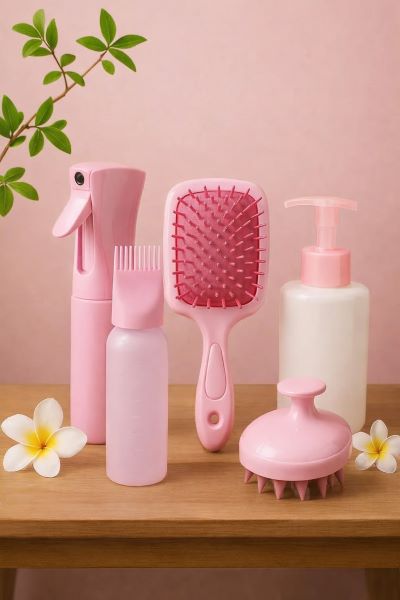
Prepare everything before calling your child.
Place your towel, comb, brush, spray bottle, hair accessories, clean clothes, and styling products within easy reach.
This simple habit prevents you from leaving your child halfway through the routine to search for something you forgot.
It also helps the entire process feel more organized and less stressful.
HAIR CARE MYTH OF THE WEEK

Myth
A successful wash day is the fastest one.
Fact
A successful wash day is one where your child’s hair is cared for gently and your child finishes the experience feeling safe and comfortable.
Taking a few extra minutes to stay calm often leads to a much better outcome than rushing through the process.
ASK A PARENT
Question:
“My child starts crying as soon as I mention wash day. What should I do?”
Answer:
Children often react to what they expect based on previous experiences.
Instead of announcing wash day at the last minute, talk about it beforehand.
Let your child know what will happen, how long it will take, and what they can look forward to afterward.
Predictability helps many children feel more secure.
AGE SPOTLIGHT
Toddlers (2–4 Years)
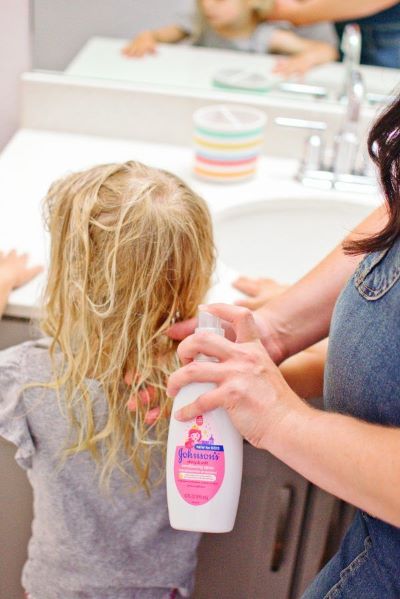
Keep wash day short and simple.
Focus on creating positive first experiences rather than perfect hairstyles.
Praise cooperation and take breaks if needed.
Preschoolers (4–6 Years)

Invite them to participate by handing you a towel, choosing a hair accessory, or helping organize supplies.
Small responsibilities can make them feel included.
School-Age Children (7–12 Years)
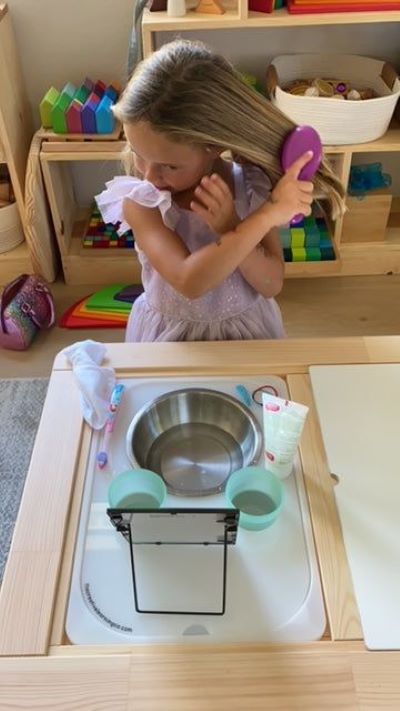
Teach simple hair care skills, such as preparing their wash day basket or helping with gentle sections of their routine.
These experiences build independence while reducing your workload over time.
HAIR TALK WITH YOUR CHILD
Try saying:
“Today is our hair care day. We’re taking care of your hair because it helps keep it healthy and strong. Thank you for helping me.”
This simple explanation reminds children that wash day is an act of care rather than a punishment.
A SIMPLE WASH DAY ROUTINE THAT REDUCES STRESS
A successful wash day begins long before the water starts running.
Good preparation helps the entire process feel calmer and more organized.
Instead of thinking of wash day as one long task, break it into smaller, manageable steps.
This approach makes the routine feel less overwhelming for both you and your child.
Step 1: Choose the Right Time
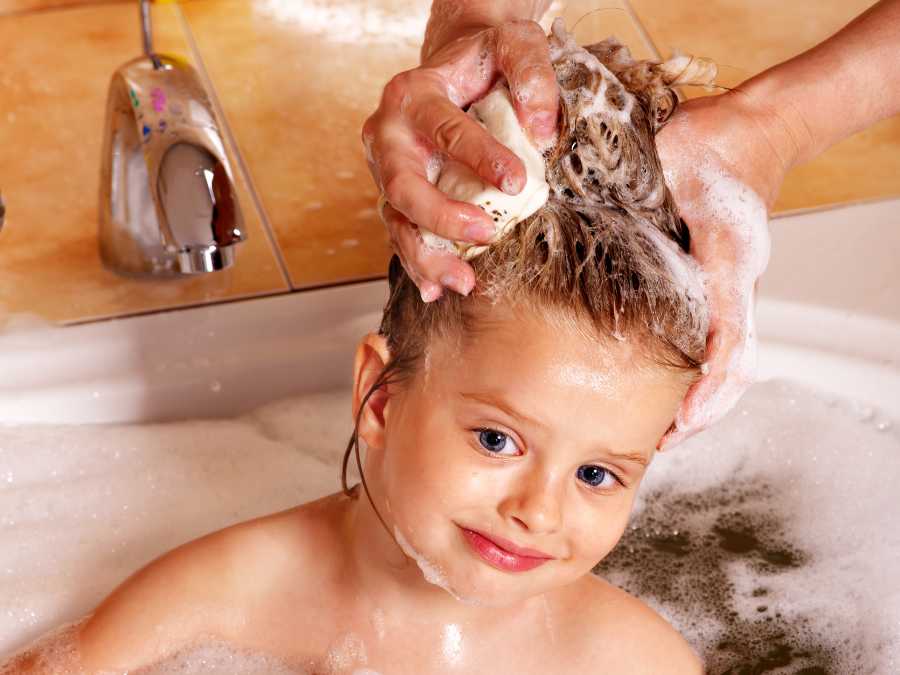
Timing can make a big difference.
Try to avoid scheduling wash day when your child is:
- Hungry.
- Extremely tired.
- Feeling unwell.
- Rushing to another activity.
Instead, choose a time when everyone is more relaxed.
For many families, weekends or quiet evenings work well, but your routine should fit your family’s schedule.
The goal is to reduce unnecessary pressure.
Step 2: Prepare Your Wash Day Space

A tidy space helps you stay focused and prevents unnecessary interruptions.
Before you begin, gather everything you need.
This might include:
- Towels.
- Hair products.
- A wide-tooth comb.
- Hair clips for sectioning.
- Hair accessories.
- A clean shirt or pajamas if you’re washing hair before bedtime.
Keeping everything within reach allows you to focus on your child instead of searching for missing items.
Step 3: Explain What Will Happen
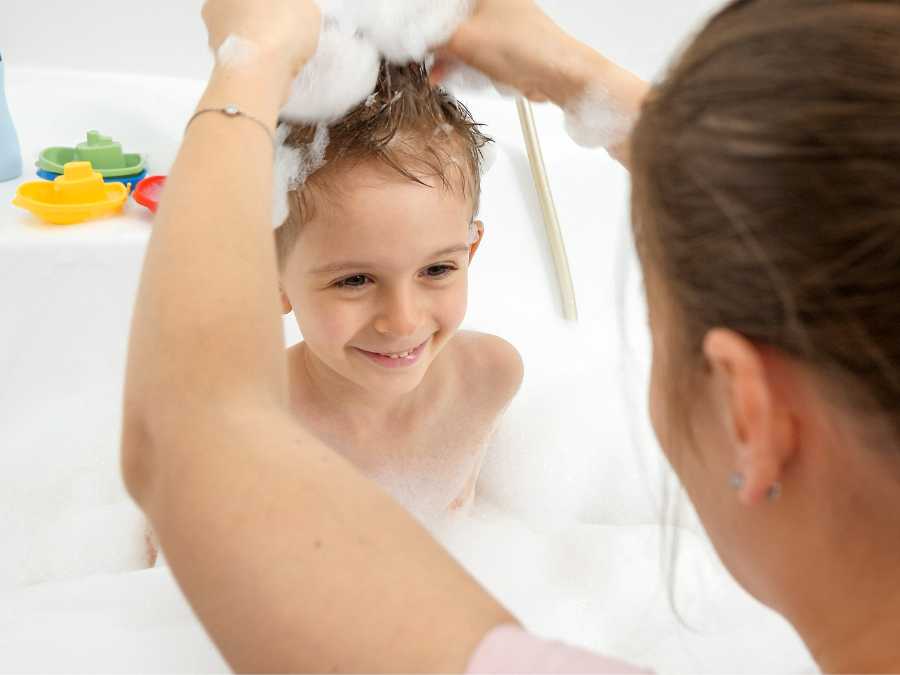
Children often feel more comfortable when they know what to expect.
Before you begin, briefly explain the process in simple language.
For example:
“First we’re going to wash your hair, then we’ll gently comb it, and after that we’ll choose a hairstyle together.”
This helps remove uncertainty and gives children a clear picture of what is coming next.
Step 4: Work at Your Child’s Pace
Every child has a different attention span.
Some can happily sit through an entire routine.
Others need short breaks.
Watch for signs that your child is becoming restless.
If needed, pause for a few minutes before continuing.
A short break can be more effective than trying to push through frustration.
Step 5: Keep the Routine Consistent
Children often respond well to routines.
When wash day follows a familiar pattern, it becomes more predictable.
Instead of wondering what comes next, your child begins to recognize the sequence.
Over time, this familiarity can reduce resistance.
KEEPING CHILDREN ENGAGED DURING WASH DAY
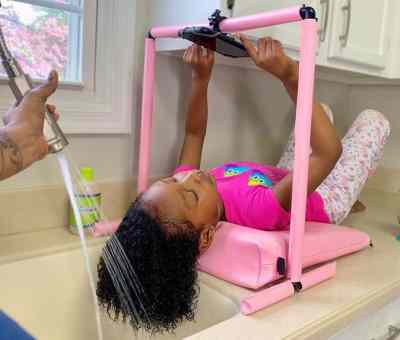
Children are naturally active and curious.
Expecting them to sit quietly for a long period isn’t always realistic.
Instead, look for simple ways to keep them involved.
You might:
- Talk about their week.
- Ask fun questions.
- Let them choose between two hairstyles.
- Count together while completing a step.
- Tell a short story.
These small interactions help the time pass more comfortably.
WHEN WASH DAY DOESN’T GO AS PLANNED
Even the best routines will have difficult days.
Your child may suddenly become upset.
You may run out of time.
Unexpected plans may interrupt your schedule.
That doesn’t mean the routine has failed.
Instead of becoming discouraged, adjust your expectations.
Sometimes the goal is simply to complete the most important parts of the routine and return to the rest later.
Flexibility is one of the most valuable parts of any successful routine.
HOW TO MAKE WASH DAY SOMETHING YOUR CHILD LOOKS FORWARD TO
Children often respond positively when they associate routines with enjoyable experiences.
This doesn’t require expensive rewards.
Simple ideas include:
- Playing your child’s favorite music.
- Reading a short story together.
- Letting them choose the final hairstyle.
- Taking a photo when they’re proud of their hairstyle.
- Ending with a hug and encouraging words.
The experience itself becomes the reward.
QUICK WIN
Create a dedicated “Wash Day Basket.”
Keep all of your child’s hair care supplies together in one container.
When wash day arrives, simply bring out the basket instead of searching through drawers or cupboards.
This saves time and makes the routine feel organized.
ASK A PARENT
“My child gets bored halfway through wash day. What can I do?”
Try breaking the routine into smaller sections.
After finishing one step, pause for a quick stretch, a short conversation, or a sip of water before moving on.
These mini-breaks can help younger children stay engaged without making the routine feel endless.
AGE SPOTLIGHT
Toddlers (2–4 Years)
Keep explanations simple.
Celebrate cooperation with praise.
Remember that shorter sessions are often more successful than trying to do everything at once.
Preschoolers (4–6 Years)
Let them help by handing you a towel, choosing a headband, or deciding between two hairstyles.
Feeling involved often increases cooperation.
School-Age Children (7–12 Years)
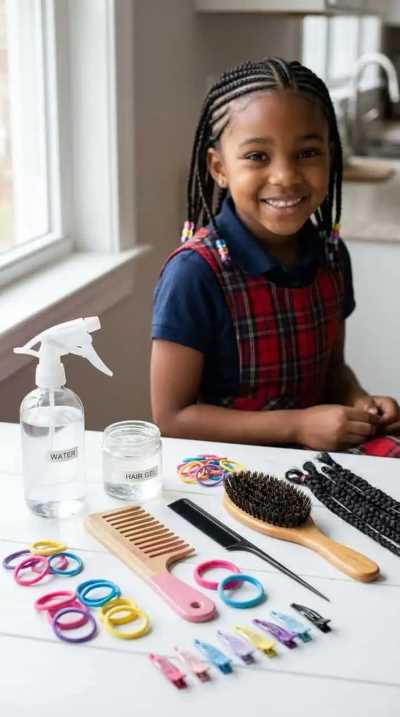
Encourage them to begin learning simple responsibilities, such as preparing their wash day basket or helping organize their accessories after the routine.
These habits build confidence and independence.
HAIR TALK WITH YOUR CHILD
Try asking:
“What is your favorite part of hair day?”
or
“If you could create any hairstyle this week, what would it look like?”
Questions like these encourage conversation and help children see hair care as something they participate in rather than something that is simply done to them.
COMMON WASH DAY MISTAKES
Even with the best intentions, parents sometimes make wash day harder than it needs to be.
Waiting Until Hair Becomes Difficult to Manage
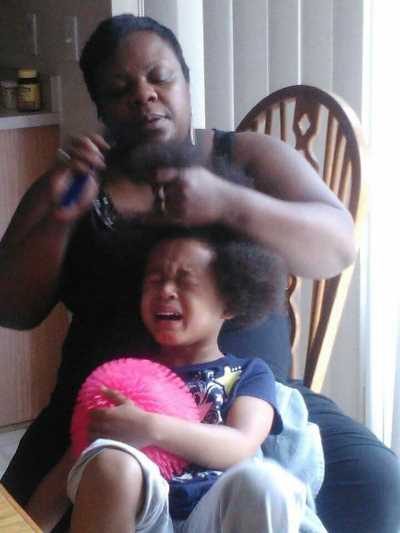
Regular routines are usually easier than waiting until the hair feels overwhelming.
Rushing the Entire Process
Children often sense when adults are rushing.
Moving calmly can help everyone feel more relaxed.
Expecting Every Wash Day to Be Identical
Some weeks will go smoothly.
Others will not.
Your routine should be flexible enough to adjust when life gets busy.
Forgetting to Celebrate Progress
Hair care isn’t only about healthy hair.
It’s also about building positive habits and confidence.
Take time to notice your child’s patience, cooperation, and growing independence.
KIDDIES HAIR HUB PARENT CORNER
Wash day isn’t a test of your parenting.
Some weeks will feel easy.
Others may leave you wondering why nothing seemed to go as planned.
That’s okay.
Your child won’t remember whether every part was perfectly straight or every curl looked identical.
They are far more likely to remember how you made them feel.
A calm voice.
A patient attitude.
A smile when the routine was finished.
Those moments matter just as much as healthy hair.
DID YOU KNOW?
Children are more likely to cooperate with routines when they happen at a predictable time each week. A familiar schedule can reduce uncertainty and help wash day feel like a normal part of family life rather than an unexpected interruption.
FREQUENTLY ASKED QUESTIONS
How long should my child’s wash day take?
There is no ideal length of time.
A wash day routine should take as long as needed to care for your child’s hair without making them feel rushed or uncomfortable.
Some children have shorter routines, while others need a little more time because of their hair length, hairstyle, or age.
Instead of comparing your routine with someone else’s, focus on creating one that works well for your family.
What if my child doesn’t like having their hair washed?
This is a common concern.
Children may dislike wash day because they have had uncomfortable experiences in the past, dislike water on their face, become tired easily, or simply prefer playing to sitting still.
Start by making wash day predictable.
Explain what will happen, work at your child’s pace, and keep your tone calm and encouraging.
Over time, many children become more comfortable when they know what to expect.
Should I wash my child’s hair before or after removing a protective hairstyle?
It usually helps to remove the hairstyle first so you can gently separate the hair and check the scalp before beginning your regular wash day routine.
Taking your time during this step helps prevent unnecessary pulling and allows you to care for every section of the hair.
Is it okay to split wash day into two sessions?
Absolutely.
Some families prefer washing the hair on one day and styling it later, especially if time is limited or the child becomes tired.
There is nothing wrong with adjusting your routine to suit your family’s schedule.
The best routine is the one you can follow consistently.
How can I help my child enjoy wash day more?
Look for simple ways to make the experience positive.
You might:
- Let them choose between two hairstyles.
- Play their favourite music.
- Read a short story together.
- Talk about their day.
- Praise their patience and cooperation.
These small moments often make a bigger difference than parents expect.
MYTH VS. FACT
| Myth | Fact |
| A good wash day has to take several hours. | A good wash day is one that is calm, organised, and meets your child’s needs. |
| Children should never move during hair care. | Young children naturally need movement and occasional breaks. |
| Wash day should always happen the same way every week. | Flexibility is part of a healthy routine. Adjust when needed without feeling guilty. |
| If wash day doesn’t go perfectly, you’ve failed. | One difficult day will not undo healthy hair habits built over time. |
| Hair care is only about clean hair. | Wash day is also an opportunity to build trust, confidence, and positive family memories. |
WASH DAY CHECKLIST
Before you begin, ask yourself:
- Have I chosen a time when my child is likely to be rested and comfortable?
- Are all my supplies ready?
- Have I explained today’s routine to my child?
- Am I prepared to work patiently if we need extra time?
- Have I chosen a hairstyle that fits our schedule for the week?
- Have I created a calm environment?
You don’t need every wash day to be perfect.
You simply need to create an experience that leaves both you and your child feeling good about the time you spent together.
BUILDING HAPPY WASH DAY MEMORIES
Years from now, your child probably won’t remember every hairstyle you created.
They may not remember exactly which shampoo you used or how long each routine lasted.
But they are likely to remember how wash day felt.
Did they feel safe?
Did they feel listened to?
Did they laugh with you?
Did they feel proud when they looked in the mirror?
These are the moments that shape a child’s relationship with hair care.
When wash day is filled with patience, kindness, and encouragement, children begin to understand that caring for themselves is something positive, not something to fear.
KIDDIES HAIR HUB PARENT CORNER
Wash day is not about proving that you’re a perfect parent.
It’s about showing up with consistency, patience, and love.
Some weeks will go smoothly.
Other weeks may test your patience.
Both are part of the journey.
Healthy hair is built one routine at a time, and so is your child’s confidence.
If today’s wash day was calmer than last week’s, celebrate that progress.
Small improvements often lead to lasting habits.
QUICK TAKEAWAYS
- Prepare everything before wash day begins.
- Choose a time that fits your child’s mood and your family’s schedule.
- Keep the routine calm, predictable, and flexible.
- Involve your child in simple decisions whenever possible.
- Praise cooperation instead of expecting perfection.
- Remember that wash day is about connection as well as healthy hair.
Wash day doesn’t have to be a weekly struggle.
With a little preparation, realistic expectations, and a consistent routine, it can become one of the most meaningful parts of your family’s hair care journey.
Every calm conversation, every gentle step, and every encouraging word helps your child build a healthy relationship with their hair.
Healthy hair isn’t created by rushing through the process.
It’s built through regular care, thoughtful routines, and positive experiences shared over time.
At Kiddies Hair Hub, we believe that the best wash day routine is one that supports healthy hair while helping children feel confident, comfortable, and cared for.
Because when children enjoy the journey, healthy hair becomes much easier to maintain.
How to Wash Braids and Protective Styles Without Ruining Them
How to Grow Healthy Natural Hair for Kids Without Chasing Every New Product
Why Is My Child’s Natural Hair So Dry? Causes and Solutions Parents Need to Know
How to Make Wash Day Easier for Kids: A Calm, Simple Routine Parents Can Actually Follow
How to Build Your Child’s Confidence Through Positive Hair Care
How to Create a Weekly Hair Care Routine for Your Child That Actually Works
How to Create a Healthy Hair Care Routine for Kids That Actually Works
Why Is My Child’s Hair So Dry? Common Causes and Simple Solutions
How Often Should You Wash Your Child’s Natural Hair? A Simple Guide for Parents
Leave a Reply