How to Grow Healthy Natural Hair for Kids Without Chasing Every New Product
Growing healthy natural hair for children isn’t about finding one miracle product. Healthy hair grows best when parents focus on consistent care, gentle handling, moisture, scalp health, and routines that reduce unnecessary breakage. https://kiddieshairhub.com/wp-admin/post.php?post=270&action=edit
TABLE OF CONTENTS
- Does Hair Need Help to Grow?
- What Healthy Hair Growth Really Means
- Everyday Habits That Support Healthy Hair
- Common Myths About Hair Growth
- Signs Your Routine Is Working
- Frequently Asked Questions
- Conclusion
How to grow healthy natural hair for kids
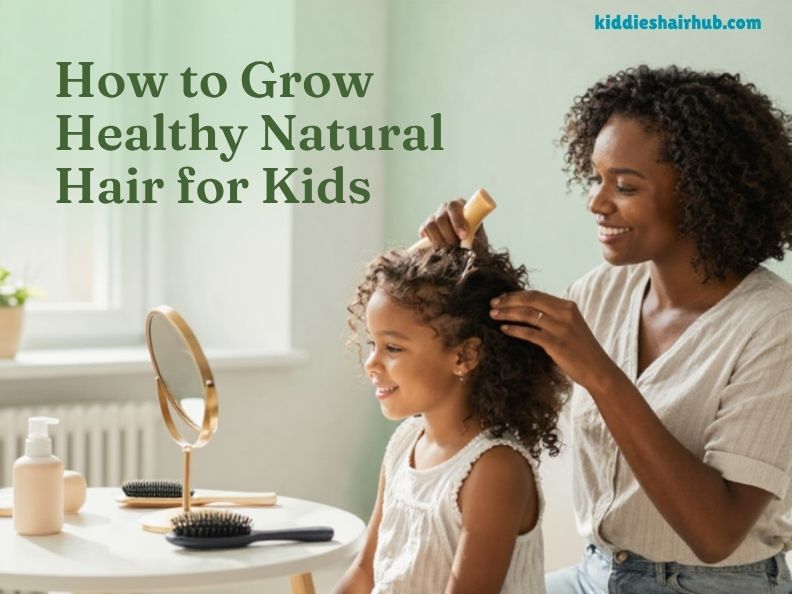
Almost every parent caring for a child’s natural hair has asked the same question at some point:
“What can I use to make my child’s hair grow faster?”
It is an understandable question.
When you spend time washing, moisturizing, detangling, and styling your child’s hair, you naturally hope to see healthy growth.
That hope often leads parents to search for special oils, growth creams, homemade mixtures, or the latest products being recommended on social media.
While some products can support a healthy hair care routine, they are rarely the reason a child’s hair appears to grow longer.
In many cases, the hair is already growing.
The challenge is keeping those growing strands healthy enough to avoid unnecessary breakage.
That is why the goal should not simply be growing longer hair.
The goal should be growing healthy natural hair for kids by creating habits that protect the hair every day.
When parents understand this difference, they stop chasing quick fixes and begin building routines that support long-term hair health.
In this guide, you’ll learn what actually contributes to healthy hair growth, which everyday habits matter most, and how small, consistent actions can make a meaningful difference over time.
WHAT DOES HEALTHY HAIR GROWTH REALLY MEAN?
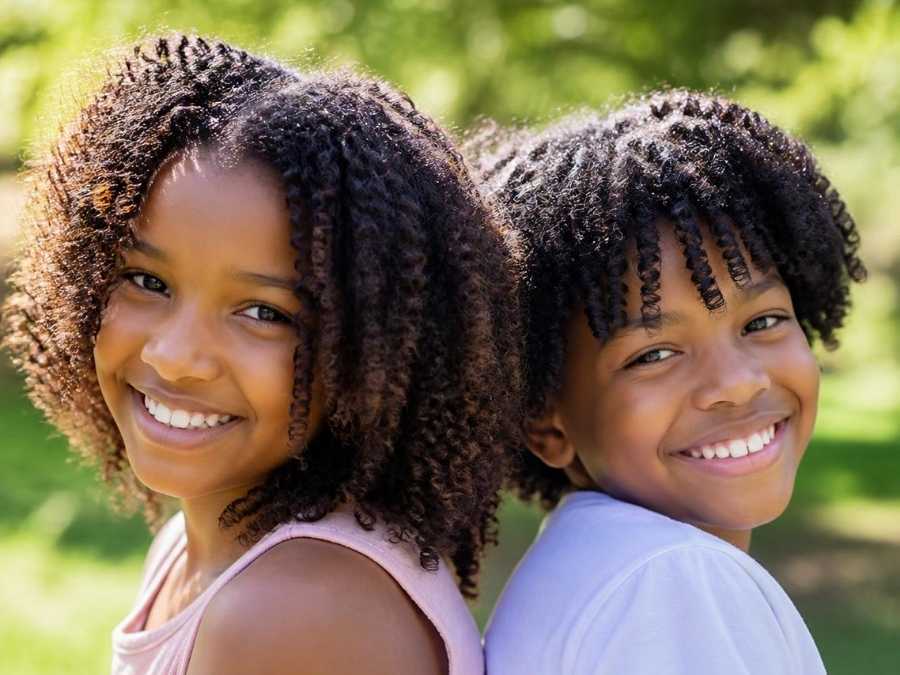
Many people think healthy hair growth means seeing several inches of new hair in a short period.
In reality, healthy hair growth is about much more than length.
It means:
- Hair that stays moisturized.
- Hair that breaks less often.
- A healthy, comfortable scalp.
- Strong strands that can withstand everyday styling.
- A routine that supports length retention over time.
When these pieces come together, parents often begin to notice that their child’s hair becomes easier to manage and appears longer because less hair is breaking along the way.
HAIR GROWTH AND LENGTH RETENTION ARE NOT THE SAME THING
One of the most important concepts parents can understand is the difference between hair growth and length retention.
Hair growth begins at the scalp.
Length retention happens when the strands remain healthy enough to avoid breaking before they reach their full potential.
Imagine filling a bucket with water while there is a small hole in the bottom.
Water continues flowing into the bucket, but it also leaks out.
The bucket never seems full.
Hair behaves in a similar way.
New hair continues growing, but frequent breakage prevents parents from seeing the length they expect.
This is why reducing breakage is just as important as encouraging healthy growth.
KIDDIES HAIR HUB PARENT CORNER(How to grow healthy natural hair for kids)
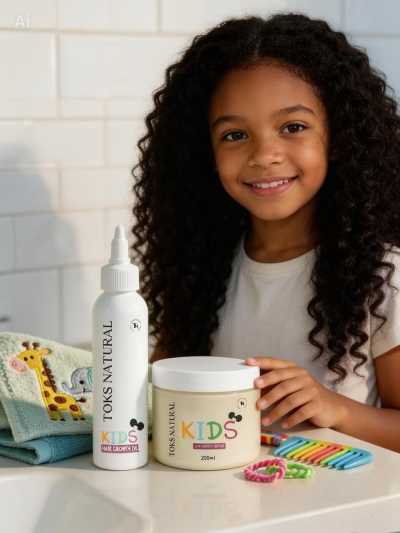
It is easy to feel discouraged when another child’s hair seems to grow much faster than your own child’s.
Try to remember that every child has a unique hair journey.
Instead of comparing length, celebrate progress such as:
- Easier wash days.
- Softer hair.
- Less breakage.
- Better moisture retention.
- More confidence during styling.
These are often the first signs that your child’s hair is becoming healthier.
QUICK WIN
Take a photo of your child’s hair once each month under similar lighting and from the same angles.
Over several months, these photos can reveal healthy progress that is difficult to notice from day to day.
Everyday Habits That Support Healthy Hair Growth
Parents often search for one product that will transform their child’s hair overnight.
In reality, healthy hair is usually the result of small, consistent habits rather than a single product. When these habits become part of your regular routine, your child’s hair has a better opportunity to stay strong, retain length, and remain manageable.
Let’s look at the habits that make the biggest difference.
Keep the Scalp Clean and Healthy
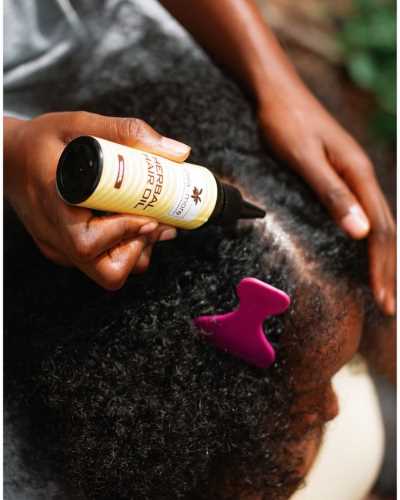
Healthy hair begins at the scalp.
The scalp is where hair grows, so keeping it clean and comfortable creates a better environment for healthy hair.
A healthy scalp should generally feel comfortable and be free from excessive product buildup, irritation, or persistent itching.
This doesn’t mean you need to wash your child’s hair every day.
Instead, develop a wash routine that suits your child’s activity level, hair type, and lifestyle.
If your child plays sports, swims regularly, or sweats frequently, they may need their hair cleansed more often than a child with a less active routine.
The goal is a clean, healthy scalp rather than washing on a strict schedule.
Focus on Moisture Before Anything Else
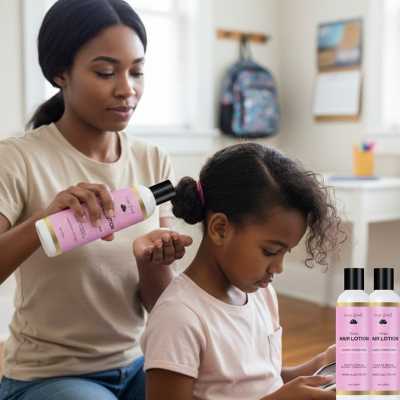
One of the biggest reasons children struggle to retain length is dryness.
Dry strands are less flexible and more likely to snap during everyday activities such as combing, braiding, or even playing.
Keeping the hair moisturized helps improve elasticity, making it better able to withstand gentle styling.
Remember that moisture is not about applying large amounts of product.
It is about creating a routine that keeps the hair hydrated consistently.
If you’ve already read our guide on Why Is My Child’s Natural Hair So Dry?, you’ll know that healthy moisture habits often play a much bigger role than buying another bottle of hair products.
Handle Hair Gently Every Day
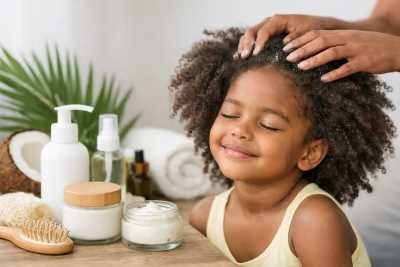
Even the healthiest hair can become damaged when handled roughly.
Every interaction with your child’s hair matters.
Whether you are washing, drying, detangling, or styling, gentle handling helps reduce unnecessary stress on the strands.
Simple habits such as supporting the section you’re combing, working slowly through tangles, and avoiding excessive pulling can make a noticeable difference over time.
Hair care should never feel like a struggle between parent and child.
A calm, patient approach protects both the hair and the overall experience.
Reduce Unnecessary Breakage
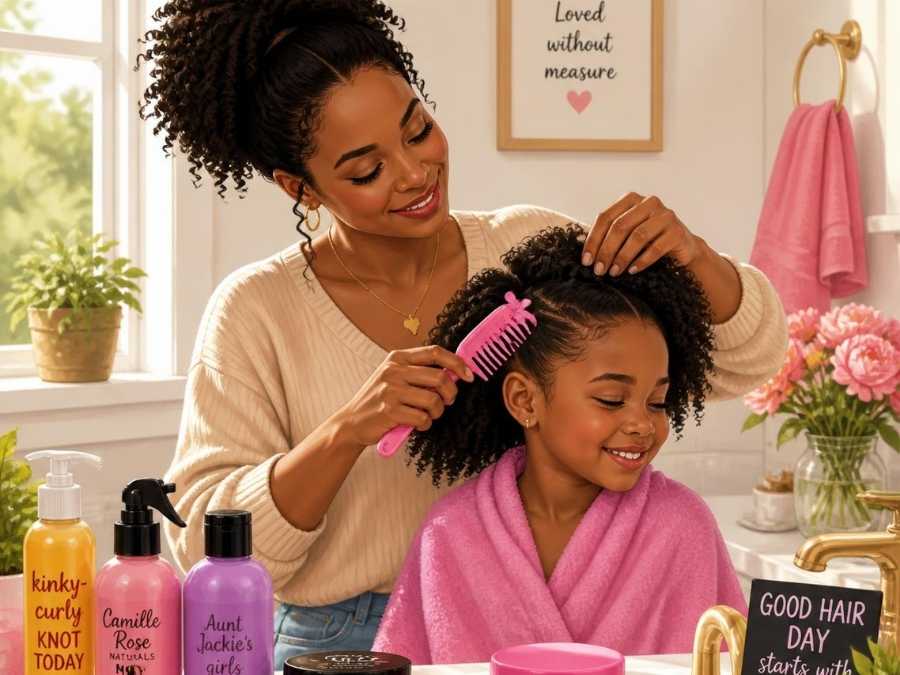
Healthy hair growth is closely connected to preventing breakage.
Hair may be growing normally at the scalp, but if the ends continue breaking, it can seem as though no progress is being made.
Some practical ways to reduce breakage include:
- Moisturizing the hair regularly.
- Detangling in sections.
- Choosing hairstyles that are comfortable rather than overly tight.
- Protecting the hair during sleep.
- Avoiding unnecessary daily restyling.
Small improvements in these areas often produce better results than constantly changing products.
Choose Protective Hairstyles Wisely
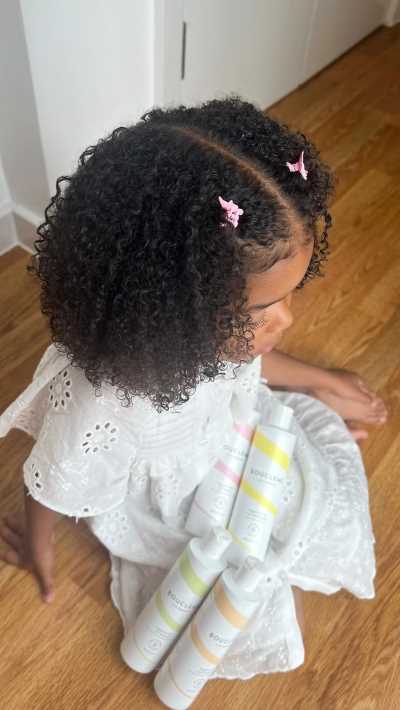
Protective styles can be helpful because they reduce daily manipulation.
However, not every hairstyle is protective simply because it has that label.
A protective hairstyle should:
- Feel comfortable.
- Allow the scalp to remain clean.
- Avoid excessive tension.
- Be appropriate for your child’s age and activity level.
- Be removed before excessive tangling or buildup develops.
If your child complains that a hairstyle hurts, it is worth adjusting it.
Comfort should always come before appearance.
Make Wash Day a Positive Experience
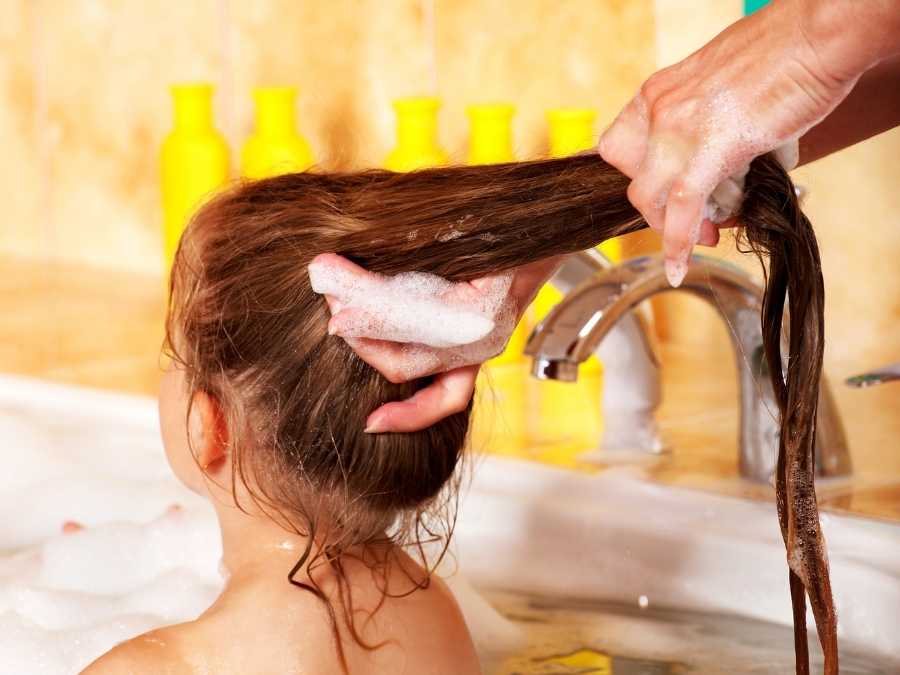
Wash day is about much more than cleaning the hair.
It is an opportunity to check the scalp, remove tangles carefully, restore moisture, and spend quality time with your child.
Children are more likely to develop positive attitudes toward their natural hair when hair care feels calm, encouraging, and predictable.
Consider involving older children in simple tasks such as:
- Choosing hair accessories.
- Holding the spray bottle.
- Organizing hair products.
- Learning the names of different hair care tools.
These small responsibilities help children build confidence and independence.
Pay Attention to Your Child’s Hair Instead of Social Media
It is easy to become influenced by dramatic before-and-after photos online.
However, healthy hair routines should be guided by your child’s needs rather than internet trends.
Observe how your child’s hair responds after wash day.
Notice:
- How long moisture lasts.
- Which hairstyles remain neat the longest.
- Which products consistently perform well.
- How easily the hair detangles.
- Whether breakage is becoming less frequent.
Your child’s hair provides the most reliable feedback.
Be Patient With the Process
Healthy hair is built over months, not days.
Many parents become discouraged because they expect dramatic changes after using a new product for one or two weeks.
Instead of looking for overnight transformation, pay attention to gradual improvements.
Perhaps wash day becomes easier.
Maybe the hair feels softer.
Perhaps you notice fewer broken strands in the comb.
These are meaningful signs that your routine is moving in the right direction.
Kiddies Hair Hub Parent Corner (How to grow healthy natural hair for kids)
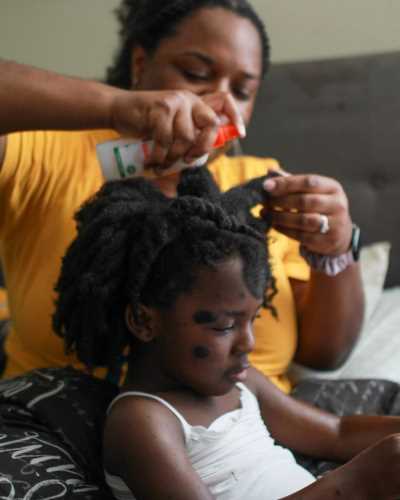
One of the greatest lessons natural hair teaches is patience.
Children don’t need perfect hair every day.
They need parents who care for their hair with consistency, kindness, and realistic expectations.
Some weeks will go exactly as planned.
Other weeks will be busy, and the hairstyle may not last as long as you hoped.
That doesn’t mean you’ve failed.
Healthy hair is built through what you do most of the time, not what happens on one difficult wash day.
Quick Win
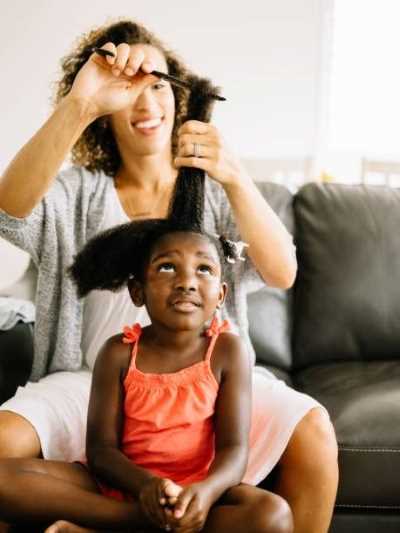
Choose just one healthy habit to improve this week.
You might decide to:
- Spend a little more time detangling gently.
- Refresh your child’s moisture routine.
- Reduce how often you restyle the hair.
- Make bedtime hair protection more consistent.
Improving one habit at a time is often more sustainable than trying to change everything at once.
Did You Know?
Children’s hair doesn’t all grow at the same speed.
Genetics, age, overall health, and daily hair care habits all influence how hair grows and how well it retains length.
That is why comparing your child’s hair journey with another child’s can lead to unrealistic expectations.
Instead, focus on helping your child’s hair become healthier than it was a few months ago.
Common Hair Growth Myths Parents Should Stop Believing
When it comes to children’s natural hair, there is no shortage of advice. Some tips are helpful, while others have been passed down for generations without much evidence to support them.
Understanding the difference between fact and myth can save you time, money, and frustration.
Myth 1: Hair Products Make Hair Grow Faster
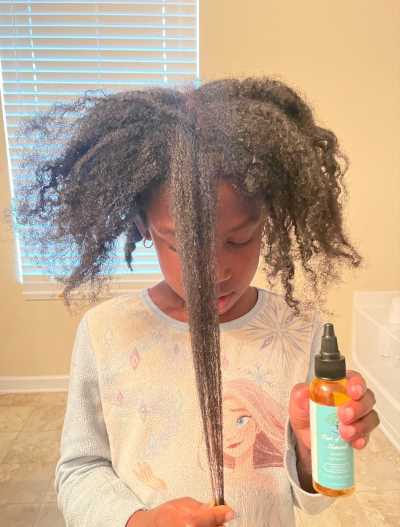
Many products claim to speed up hair growth.
While some products can help keep the hair and scalp healthy, no shampoo, oil, cream, or serum can dramatically change your child’s natural rate of hair growth.
What good products can do is support a healthy hair care routine by helping to moisturize the hair, reduce breakage, and maintain a healthy scalp.
When the hair breaks less, parents often notice more length over time.
Myth 2: Trimming Hair Makes It Grow Faster
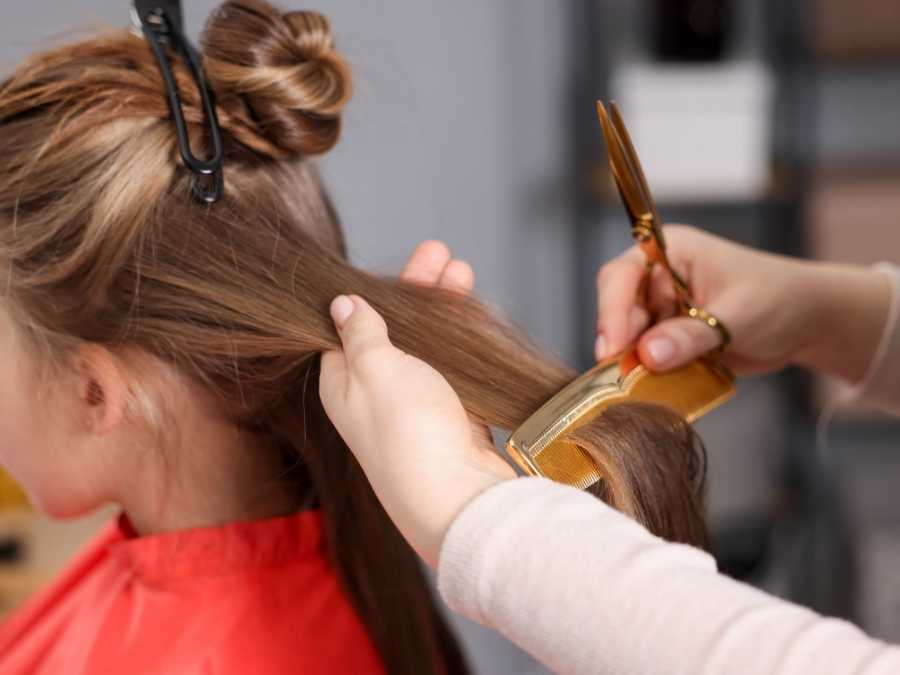
This is one of the most common misconceptions.
Hair grows from the follicles beneath the scalp, not from the ends of the hair.
Trimming removes damaged or split ends, making the hair look healthier and reducing further splitting, but it does not increase the speed of hair growth.
Regular trims should be based on the condition of the hair rather than a fixed schedule.
Myth 3: More Products Mean Better Results
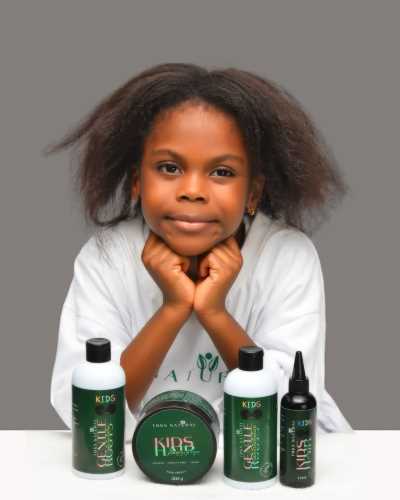
It is easy to believe that using five or six products will produce better results than using two.
In reality, a simple routine that you follow consistently is often more effective than a shelf full of products used inconsistently.
Before buying something new, ask yourself:
“Does my child’s hair really need another product, or does it need a more consistent routine?”
That question alone can help you avoid unnecessary spending.
Myth 4: Protective Styles Guarantee Hair Growth
Protective styles are valuable because they reduce daily manipulation.
However, they are not a guarantee of longer hair.
A hairstyle that is installed too tightly, neglected for too long, or allowed to develop excessive buildup can contribute to breakage instead of preventing it.
The best protective styles are comfortable, well maintained, and appropriate for your child’s age and activity level.
Signs Your Hair Care Routine Is Working
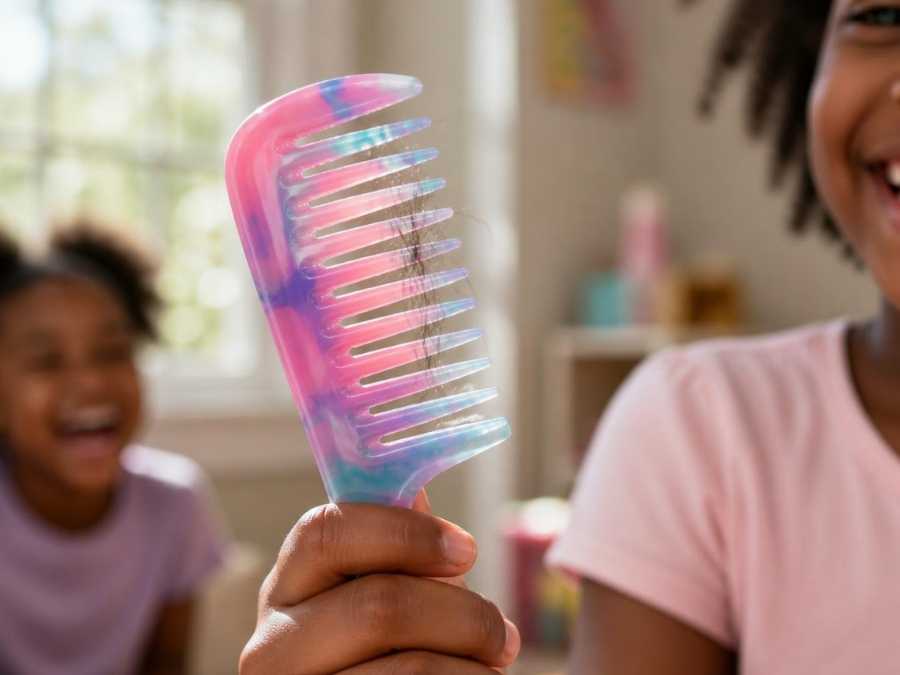
Parents often expect to see longer hair first.
In reality, healthier hair usually shows other signs before noticeable length becomes obvious.
You may notice:
- Less hair left in the comb after detangling.
- Softer, more manageable hair.
- Fewer tangles throughout the week.
- Better moisture retention.
- Reduced breakage during styling.
- Hairstyles lasting longer.
- A child who feels more relaxed during wash day.
These improvements are signs that your routine is supporting healthy hair.
Length often follows when these habits become consistent.
How to Stay Consistent Without Feeling Overwhelmed
One reason parents become discouraged is trying to do everything perfectly.
Healthy natural hair does not require perfection.
It requires consistency.
Instead of changing your routine every few weeks, build habits that fit comfortably into your family’s schedule.
For example:
- Choose one regular wash day each week or every other week, depending on your child’s needs.
- Keep hair care supplies together so they are easy to find.
- Use products that have already worked well instead of constantly experimenting.
- Keep hairstyles simple during busy weeks.
- Celebrate progress instead of expecting perfection.
When hair care becomes part of your routine instead of another chore, it becomes much easier to maintain.
Frequently Asked Questions
How long does it take to grow healthy natural hair for kids?
Every child’s hair grows at its own pace.
Rather than focusing on how quickly the hair grows, pay attention to whether it is becoming healthier, stronger, and retaining more length over time.
Consistency over several months usually tells you much more than comparing week-to-week changes.
Should I use hair growth oils on my child?
Some oils can help reduce moisture loss or make the hair feel softer, but they should not be viewed as miracle growth products.
A balanced routine that includes gentle cleansing, moisture, careful detangling, and protective styling has a greater impact on healthy hair than relying on one product.
How often should I moisturize my child’s hair?
There is no single schedule that works for every child.
Factors such as hair type, climate, activity level, and hairstyle all influence how often moisture is needed.
Pay attention to how your child’s hair feels rather than following someone else’s routine exactly.
Does diet affect healthy hair?
Yes.
A balanced diet that provides enough protein, vitamins, minerals, and water supports your child’s overall health, including healthy hair growth.
Hair care products work best when combined with healthy daily habits.
If you have concerns about your child’s nutrition or growth, consult a healthcare professional.
What should I do if my child’s hair still seems unhealthy?
If you’ve followed a consistent routine and are concerned about ongoing excessive breakage, patchy hair loss, persistent scalp irritation, or other unusual changes, it’s a good idea to seek advice from a healthcare professional or dermatologist.
Hair Care Myth vs. Fact
| Myth | Fact |
| Expensive products always produce better results. | Consistent hair care habits are usually more important than the price of a product. |
| Hair growth can be dramatically accelerated with one product. | Healthy routines help the hair retain length, but they do not dramatically change its natural growth rate. |
| Every child needs the same hair routine. | Each child’s hair has unique needs based on its texture, density, lifestyle, and overall condition. |
| Protective styles never cause damage. | Protective styles should be comfortable and properly maintained to help reduce breakage. |
| Healthy hair is measured only by length. | Healthy hair is also strong, moisturized, manageable, and cared for consistently. |
Kiddies Hair Hub Parent Corner
Parents often ask what the “secret” to healthy children’s natural hair is.
The truth is that there isn’t one.
Healthy hair grows from hundreds of small decisions made over time.
It is choosing patience when detangling.
It is moisturizing before the hair becomes extremely dry.
It is selecting hairstyles that are comfortable instead of overly tight.
It is teaching your child that their natural hair is something to care for with pride.
These everyday choices may seem small, but together they build the healthy habits that support beautiful, resilient hair.
Quick Takeaways (How to grow healthy natural hair for kids)
- Healthy hair growth is about more than length.
- A healthy scalp supports healthy hair.
- Moisture and gentle handling help reduce breakage.
- Consistent routines are more effective than constantly changing products.
- Protective styles should protect the hair, not cause discomfort.
- Celebrate healthy progress instead of comparing your child’s hair journey with others.
Conclusion
Every parent wants the best for their child’s hair, but healthy natural hair is not built by chasing every new trend or miracle product.
It grows stronger through everyday care, thoughtful routines, and realistic expectations.
When you focus on keeping the scalp healthy, maintaining moisture, reducing breakage, and handling the hair gently, you create the conditions that allow your child’s hair to thrive.
Remember that healthy hair is not defined by length alone.
Hair that is strong, comfortable to manage, and cared for consistently is a success worth celebrating.
At Kiddies Hair Hub, we believe every parent can build confidence in caring for their child’s natural hair.
With patience, consistency, and a willingness to learn, you are giving your child more than healthy hair, you are helping them develop confidence in their natural beauty and creating positive memories that can last a lifetime.
This article has shown you useful tips on how to grow healthy natural hair for kids you will love.
4C hair growth routine that actually works
Why Does My Child’s Hair Break Around the Hairline?
25 Easy Protective Hairstyles for Black Girls With Short Natural Hair
How to Prevent Split Ends in Children’s Natural Hair
How to Prevent Hair Breakage in Children’s Natural Hair
Why Is My Child’s Natural Hair So Dry
How to Build Your Child’s Confidence Through Positive Hair Care
How to Create a Weekly Hair Care Routine for Your Child That Actually Works
How to Choose the Right Protective Hairstyle for Your Child’s Hair Type
Leave a Reply