Why my child’s hair isn’t retaining length and What Parents Can Do
why my child’s hair isn’t retaining length
If your child’s hair seems like it isn’t growing, the issue may not be growth at all.
In many cases, the hair is growing but has difficulty retaining length due to factors such as dryness, breakage, excessive manipulation, or hair care habits that need adjusting.
TABLE OF CONTENTS
- Is Your Child’s Hair Really Not Growing?
- What Is Length Retention?
- Common Reasons Children’s Hair Doesn’t Retain Length
- Signs of Breakage
- Healthy Habits That Support Length Retention
- Mistakes Parents Often Make
- FAQs
- Conclusion
why my child’s hair isn’t retaining length
One of the most common concerns parents have is:
“My child’s hair isn’t growing.”
Maybe you’ve been taking care of your child’s hair for months, yet it still seems to stay the same length.
Perhaps you compare old photos and feel like nothing has changed.
It can be frustrating and even discouraging.
The good news is that in many cases, the hair is actually growing.
The challenge is often retaining the length that is already growing.
This is an important difference.
Hair growth and hair retention are not the same thing.
Understanding the difference can completely change how you approach your child’s hair care routine.https://kiddieshairhub.com/wp-admin/post.php?post=33&action=edit
IS YOUR CHILD’S HAIR REALLY NOT GROWING?
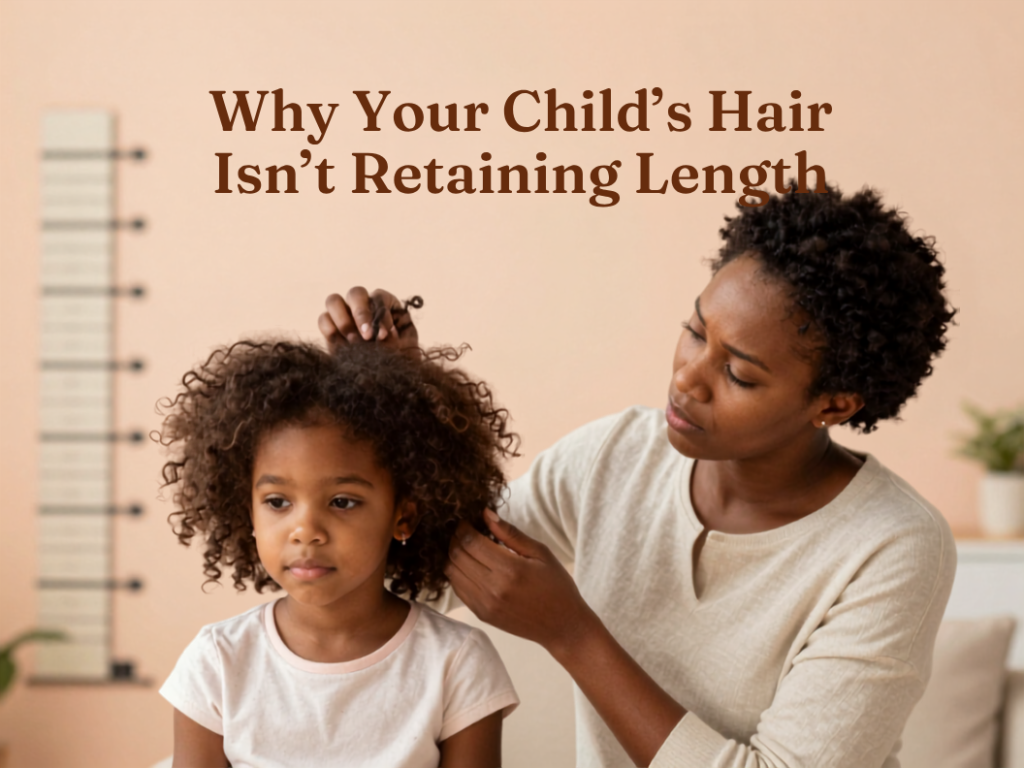
Hair naturally goes through different growth stages.
For many children, growth may seem slow because:
- The hair shrinks when curly.
- Breakage makes length difficult to notice.
- Photos are taken too close together.
- Different hairstyles make the hair appear shorter.
Many parents are surprised to discover that their child’s hair has actually grown more than they realized.
WHAT IS LENGTH RETENTION?
Length retention simply means keeping the hair that has already grown.
Imagine filling a bucket with water while there is a small hole in the bottom.
You continue adding water, but the bucket never seems full because water keeps leaking out.
Hair can sometimes behave in a similar way.
The hair may continue growing, but if breakage happens regularly, it can appear as though there is no growth at all.
SIGNS YOUR CHILD MAY BE STRUGGLING WITH LENGTH RETENTION
You may notice:
The hair seems to stay the same length.
Ends look uneven.
Hair tangles easily.
There is more hair in combs or brushes.
Hairstyles don’t seem to last as long.
The ends of the hair feel rough.
These signs may suggest that the issue is retention rather than growth itself.
COMMON REASONS CHILDREN’S HAIR DOESN’T RETAIN LENGTH(why my child’s hair isn’t retaining length)
1. DRYNESS
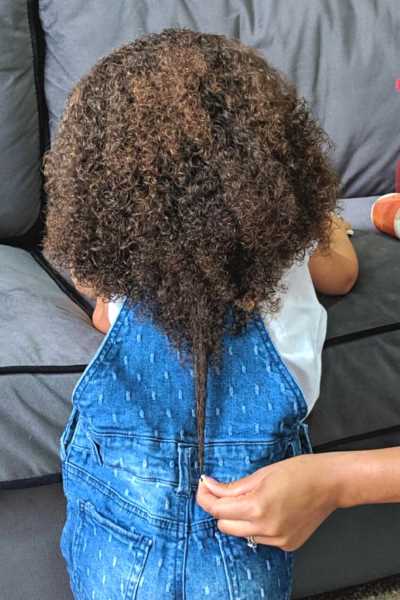
Dry hair can become difficult to manage and may be more prone to breakage.
Many parents notice that when their child’s hair feels consistently dry, maintaining length becomes more challenging.
2. EXCESSIVE MANIPULATION
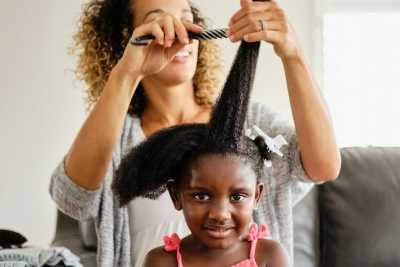
Hair that is constantly:
- Combed
- Brushed
- Restyled
- Pulled into new hairstyles
may experience more wear and tear.
Simple, practical routines can sometimes help reduce unnecessary handling.
3. TANGLES
Tangles can make hair care more difficult.
When detangling becomes challenging, there may be more opportunity for breakage.
4. STYLES THAT CAUSE DISCOMFORT

Hairstyles should never feel painful.
Comfort should always come first.
5. IGNORING NIGHTTIME HAIR CARE

Many parents focus on wash day but forget that nighttime habits can also affect how manageable the hair feels.
6. COMPARING YOUR CHILD’S HAIR TO OTHERS
Every child is different.
Hair texture, density, and routines vary from child to child.
Comparisons often create unnecessary frustration.
DID YOU KNOW?
Curly and coily hair can sometimes appear shorter than it actually is because of shrinkage.
This is one reason many parents think their child’s hair isn’t growing.
KIDDIES HAIR HUB PARENT CORNER(why my child’s hair isn’t retaining length)

Sometimes the biggest change parents can make is shifting from asking:
“Why isn’t my child’s hair growing?”
to asking:
“What can I do to help my child keep the hair that is already growing?”
This simple change in perspective can make hair care feel much less frustrating.
HOW TO KNOW IF IT’S BREAKAGE OR SLOW GROWTH
Ask yourself:
- Do the ends feel rough?
- Does the hair seem thinner at the ends?
- Is there more shedding than usual?
- Are tangles becoming worse?
These observations can help you better understand your child’s hair needs.
HEALTHY HABITS THAT SUPPORT LENGTH RETENTION
Once parents understand that the issue may be length retention rather than growth itself, the next step is building habits that help keep the hair healthy and manageable.
The good news is that you don’t need a complicated routine.
Simple, consistent habits often make the biggest difference.
1. Create a Consistent Hair Routine
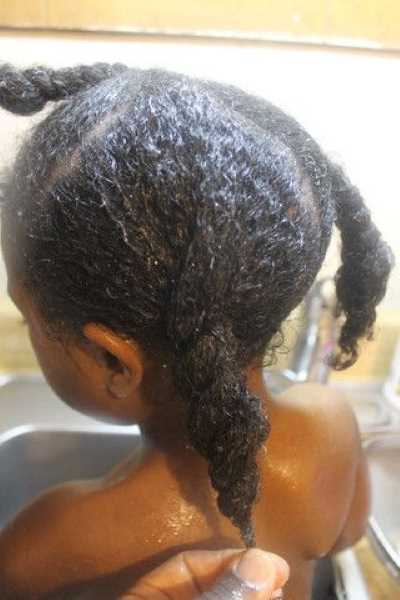
Children’s hair usually responds well to routines.
A simple routine helps you:
Know when to wash the hair.
Check for tangles.
Monitor dryness.
Keep hair care manageable.
Consistency often matters more than perfection.
2. Keep Hair Properly Moisturized
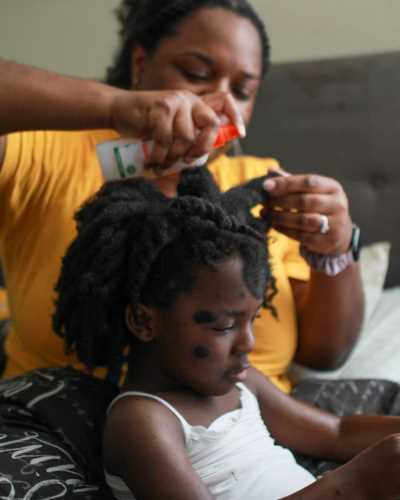
Many parents notice that when the hair feels dry, it can become more difficult to manage.
Dry hair may:
- Tangle more easily.
- Feel rough.
- Become difficult to style.
Paying attention to how your child’s hair feels can help you determine when adjustments are needed.
3. Reduce Unnecessary Handling

Sometimes less is more.
Constantly redoing hairstyles or repeatedly combing the hair throughout the day can make routines more stressful.
Simple hairstyles often make daily maintenance easier.
4. Make Detangling a Gentle Process
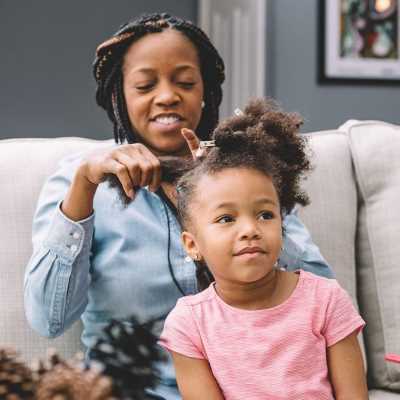
Detangling sessions do not need to feel like a battle.
Patience, consistency, and gentle handling can make a huge difference in your child’s hair care experience.
5. Pay Attention to the Ends of the Hair
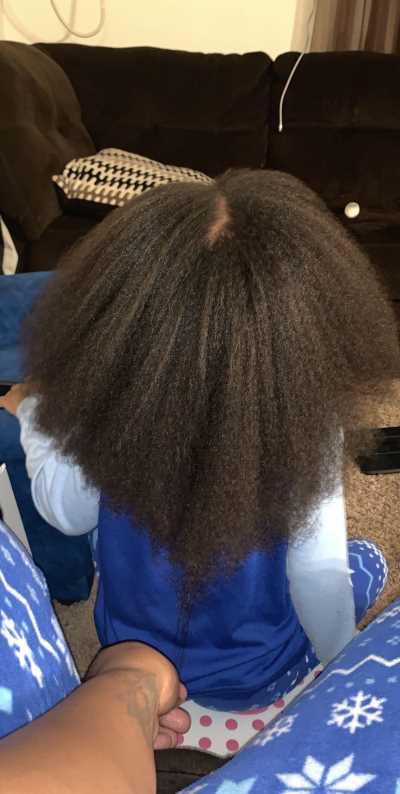
The ends of the hair are often the oldest part of the hair strand.
Because of this, they sometimes need extra care and attention.
Checking the ends regularly can help you notice changes in the hair.
6. Protect the Hair at Night
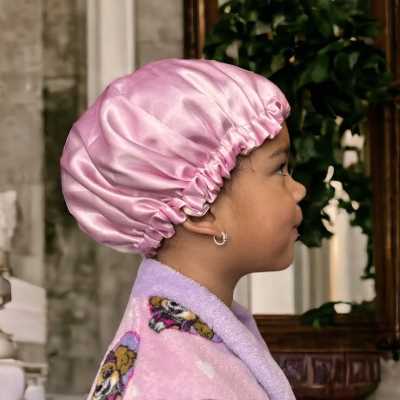
Nighttime routines are often overlooked.
However, small bedtime habits can help reduce tangles and make morning hair care easier.
7. Choose Practical Hairstyles
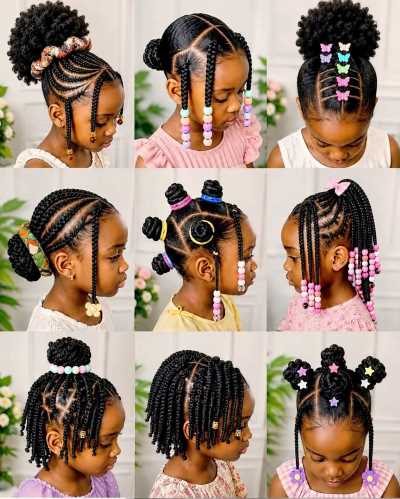
The goal is not to have perfect hair every day.
The goal is to have a routine that supports healthy habits and works for your family.
Practical hairstyles can:
Save time.
Reduce daily stress.
Make hair easier to manage.
SIGNS THAT YOUR ROUTINE MAY BE IMPROVING

Healthy hair habits often take time.
You may begin to notice:
Hair is easier to detangle.
Fewer tangles.
More manageable wash days.
Less frustration.
Hair appears fuller or easier to style.
Progress is often gradual.
HOW LONG DOES LENGTH RETENTION TAKE?
This is one of the most common questions parents ask.
The truth is that every child’s hair journey is different.
Many factors can influence how quickly you notice changes, including:
- Age
- Hair type
- Daily habits
- Hairstyles
- Consistency of routines
The most important thing is to focus on healthy habits rather than rushing results.
COMMON MISTAKES PARENTS MAKE
Mistake 1: Thinking Hair Is Not Growing
Many times, the hair is growing.
The challenge is simply retaining the length.
Mistake 2: Changing Routines Too Often
Trying something new every week can make it difficult to understand what works best for your child.
Simple routines are often easier to maintain.
Mistake 3: Comparing Your Child’s Hair to Someone Else’s
Every child has a unique hair journey.
Comparison can lead to unnecessary frustration and unrealistic expectations.
Mistake 4: Expecting Immediate Results
Healthy hair habits take time.
Small improvements often add up gradually.
Mistake 5: Making Hair Care Stressful
Hair care should support your child, not overwhelm them.
Positive experiences often make routines easier to maintain.
KIDDIES HAIR HUB PARENT CORNER
Parents often feel discouraged when they don’t see immediate changes.
But sometimes the biggest victories happen quietly:
- Easier wash days.
- Fewer tangles.
- More manageable hair.
- Less frustration.
These small improvements are worth celebrating.
BUILDING CONFIDENCE THROUGH HAIR CARE
Hair care isn’t only about length.
It’s also about helping children:
Feel confident.
Appreciate their natural hair.
Learn self-care habits.
Build healthy routines.
Develop patience.
These lessons often last far beyond childhood.
A SIMPLE LENGTH RETENTION CHECKLIST
Ask yourself:
Does my child have a consistent routine?
Is the hair manageable?
Are tangles becoming easier to handle?
Does the hair feel less dry?
Are hairstyles practical for our lifestyle?
Is hair care becoming less stressful?
These questions can help you focus on progress rather than perfection.
DID YOU KNOW?
Sometimes the best sign that a routine is working is not dramatic growth.
It’s simply that the hair becomes easier to manage and maintain.
FREQUENTLY ASKED QUESTIONS
Why does my child’s hair look the same length every year?
This is one of the most common concerns among parents.
Sometimes the hair is actually growing, but the growth may be difficult to notice because of:
- Shrinkage
- Breakage
- Different hairstyles
- Changes in hair texture
- Uneven ends
Many parents are surprised when they compare photos taken several months apart and realize their child’s hair has grown more than they thought.
How can I tell if my child’s hair is breaking?
Some signs that may suggest breakage include:
More hair in combs or brushes.
Hair that feels increasingly tangled.
Uneven-looking ends.
Hair that seems stuck at the same length.
Increased difficulty managing the hair.
Observing your child’s hair over time can help you notice patterns.
Does every child retain length at the same rate?
No.
Every child is unique.
Factors such as age, daily routines, activity level, and hair care habits can all influence how manageable the hair feels and how noticeable length changes appear.
Should I measure my child’s hair often?
Some parents enjoy taking progress photos or making occasional observations.
However, checking too frequently can sometimes become frustrating because changes may happen gradually.
Focusing on healthy habits is often more helpful than constantly measuring progress.
Why does my child’s hair seem shorter after washing?
Curly and coily hair can shrink significantly.
This is completely normal and does not necessarily mean that the hair is getting shorter.
Is long hair the goal?
Not necessarily.
Healthy, manageable hair should always be the priority.
Every child’s hair journey is different, and healthy habits matter much more than reaching a specific length.
MYTH VS FACT
| Myth | Fact |
| My child’s hair isn’t growing at all. | In many cases, the hair is growing, but retaining the length may be the challenge. |
| Long hair means healthy hair. | Healthy hair can exist at many different lengths. |
| Every child should reach a certain hair length. | Children’s hair journeys are unique. |
| You should see dramatic changes quickly. | Healthy habits often show gradual improvements over time. |
| More products automatically mean better results. | Consistency often matters more than having many products. |
HOW TO TRACK PROGRESS WITHOUT STRESS
Instead of focusing only on length, try paying attention to questions like:
Is hair day becoming easier?
Are there fewer tangles?
Is the hair easier to manage?
Does the hair feel healthier?
Is my child more comfortable during hair care?
These small improvements are meaningful signs of progress.
A SIMPLE ROUTINE FOR SUPPORTING LENGTH RETENTION
Weekly
Observe the hair and scalp.
Address tangles.
Refresh hairstyles when necessary.
Monthly
Take a progress photo if desired.
Review your routine.
Ask yourself what is working well.
Throughout the Year
Adjust routines as your child grows.
Keep expectations realistic.
Celebrate small improvements.
BUILDING HEALTHY EXPECTATIONS
One of the best things parents can do is avoid putting pressure on themselves or their children.
Hair care should not become a source of stress.
Instead, it can become an opportunity to:
- Build confidence.
- Spend quality time together.
- Teach self-care habits.
- Create positive memories.
KIDDIES HAIR HUB PARENT CORNER
It can be discouraging when your child’s hair seems to stay the same length.
But remember:
Hair journeys rarely happen overnight.
Small habits, patience, and consistency often make the biggest difference.
Celebrate the little victories:
Easier detangling.
Less frustration.
Healthier routines.
More confidence.
Those victories matter too.
QUICK TAKEAWAYS
Hair growth and length retention are not the same thing.
Many children are growing hair even when it doesn’t seem obvious.
Dryness, tangles, and breakage can make length difficult to notice.
Simple and consistent routines often work best.
Healthy hair is more important than reaching a specific length.
Progress often happens gradually.
CONCLUSION
If you’ve been wondering why your child’s hair doesn’t seem to be growing, the answer may be simpler than you think.
In many cases, the challenge is not growth itself but retaining the hair that is already growing.
By focusing on healthy routines, gentle care, and realistic expectations, you can support your child’s hair journey without unnecessary stress.
At Kiddies Hair Hub, we believe that healthy hair care is a journey, not a race.
Every child grows and changes at their own pace, and every small step toward healthier hair is worth celebrating.
Because sometimes the most important progress isn’t measured in inches, it’s measured in confidence, comfort, and healthy habits.
This blog post has revealed the answers to the question ‘why my child’s hair isn’t retaining length’ that has been going on in your mind.
BEST TIPS FOR MAINTAINING A HEALTHY HAIR
How to Prevent Split Ends in Children’s Natural Hair
How to Grow Healthy Natural Hair for Kids Without Chasing Every New Product
Understanding Your Child’s Hair Type and Why It Matters
How to Prevent Hair Breakage in Children’s Natural Hair: Practical Tips for Stronger, Healthier Hair
Why Is My Child’s Natural Hair So Dry? Causes and Solutions Parents Need to Know
How to Build Your Child’s Confidence Through Positive Hair Care
Why Your Child’s Hair Isn’t Retaining Length and What Parents Can Do
How to Protect Your Child’s Hair While Sleeping
Why Is My Child’s Hair So Dry? Common Causes and Simple Solutions
Leave a Reply