Why Is My Child’s Natural Hair So Dry? Causes and Solutions Parents Need to Know
Children’s natural hair can become dry because it loses moisture quickly, especially when the hair’s natural oils have difficulty moving from the scalp to the ends.
A consistent routine that includes gentle cleansing, proper moisturizing, protective styling, and careful handling can help improve moisture retention.
TABLE OF CONTENTS
- Why Children’s Natural Hair Becomes Dry
- Understanding Moisture and Children’s Hair
- Signs Your Child’s Hair Needs More Moisture
- Common Reasons Your Child’s Hair Is Always Dry
- How to Build a Moisture Routine That Works
- Mistakes That Can Make Dryness Worse
- Age-Specific Moisture Tips
- Frequently Asked Questions
- Conclusion
Why is my child’s natural hair so dry
One of the most common frustrations parents experience when caring for natural hair is dryness.
You moisturize your child’s hair, and a few days later it feels dry again.
After applying products that promise softness, but the hair still feels rough.
You may start wondering:
“Am I doing something wrong?”
“Why does my child’s hair never stay moisturized?”
“Why does it seem like other children’s hair looks easier to manage?”
If you have asked these questions, you are not alone.
Dryness is one of the most common challenges parents face when caring for children’s natural hair.
However, dry hair does not mean unhealthy hair.
It simply means the hair needs a routine that better supports its needs.
Children’s natural hair is unique. Its texture, curl pattern, and structure can make it more difficult for natural oils from the scalp to travel down the entire strand.
This means the ends of the hair may need extra attention and care.
The solution is not always using more products.
In many cases, the answer is understanding why the dryness is happening and adjusting your routine.
In this guide, we will explore the common reasons children’s natural hair becomes dry and practical ways parents can help their child’s hair stay softer, healthier, and easier to manage.
WHY CHILDREN’S NATURAL HAIR BECOMES DRY
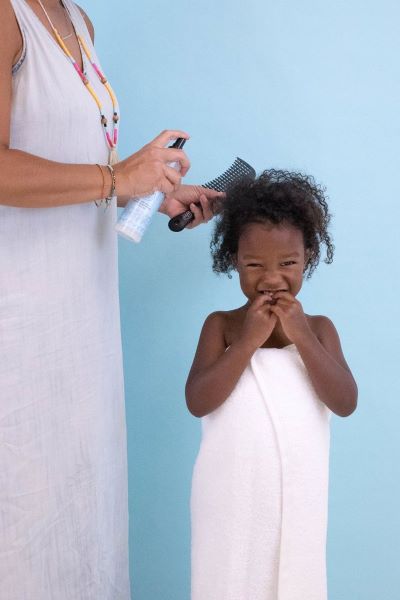
Before fixing dryness, it helps to understand what is happening.
Hair needs moisture to remain flexible and manageable.
When hair does not have enough moisture, it may:
- Feel rough.
- Become difficult to comb.
- Tangle more easily.
- Look dull.
- Break more easily during styling.
Natural hair, especially tightly curled and coily textures, often needs more intentional moisture care because of the way the hair grows.
The curves and bends in curly and coily hair can make it harder for scalp oils to move from the roots to the ends.
This does not mean the hair is unhealthy.
It simply means the routine may need to focus more on adding and maintaining moisture.
KIDDIES HAIR HUB PARENT CORNER(why is my child’s natural hair so dry)
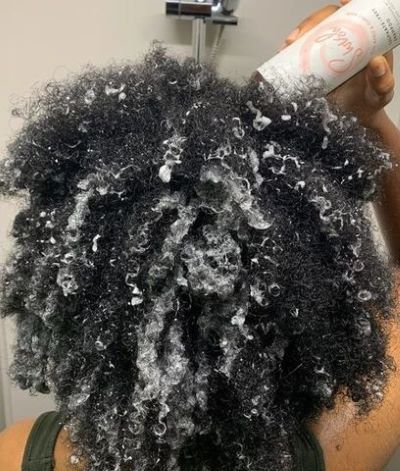
One of the biggest mistakes parents make is thinking dryness means they need to buy more products.
Sometimes, the issue is not the number of products.
The issue is the routine.
Healthy children’s hair usually comes from consistent habits:
- Gentle handling.
- Regular moisture.
- Appropriate hairstyles.
- Protecting the hair between wash days.
A simple routine done consistently often works better than constantly changing products.
QUICK WIN
Before adding a new product, try this simple check:
Take a small section of your child’s hair and gently stretch it.
Does it feel soft and flexible?
Or does it feel rough and stiff?
Learning how your child’s hair feels when healthy helps you recognize when it needs extra attention.
HAIR CARE MYTH OF THE WEEK
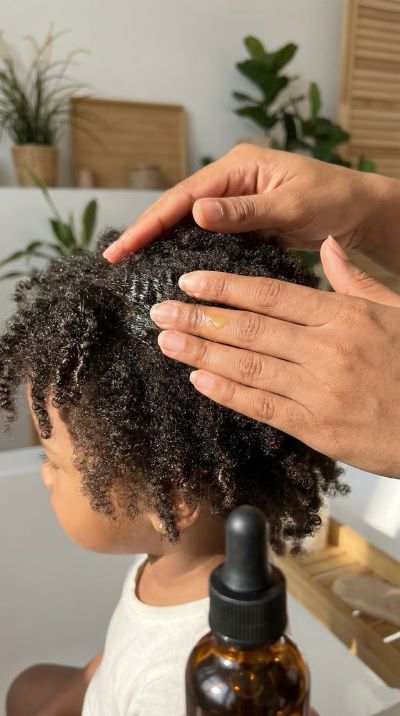
Myth:
If my child’s hair is dry, I need to apply oil every day.
Fact:
Oil does not add water-based moisture to the hair.
Oils can help seal moisture into the hair, but they usually work best when applied after moisture has already been added.
ASK A PARENT
“I moisturize my child’s hair, but it becomes dry again quickly. Why?”
This is a common experience.
The reason may be that the hair needs better moisture retention rather than simply more product.
Factors such as the cleansing routine, hairstyle, weather, nighttime protection, and the products being used can all affect how long moisture lasts.
AGE SPOTLIGHT
Toddlers (2–4 Years)
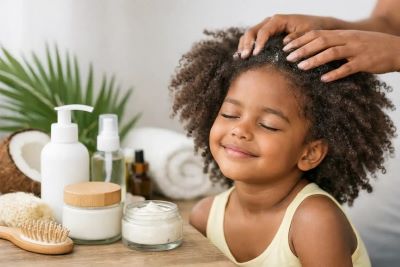
Young children’s hair is still developing.
Keep routines simple:
- Use gentle products.
- Avoid heavy styling.
- Handle hair carefully.
- Focus on comfort.
Preschoolers (4–6 Years)
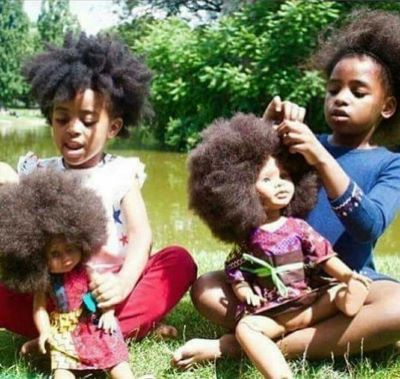
This is a good age to establish consistent habits.
Children can begin learning that hair care is part of taking care of themselves.
School-Age Children (7–12 Years)
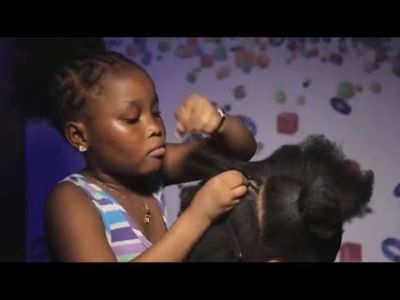
Older children can become more involved.
Teach them:
- Why moisture matters.
- How to handle their hair gently.
- How to protect hairstyles.
HAIR TALK WITH YOUR CHILD
Instead of saying:
“Your hair is too dry.”
Try:
“Your hair needs some extra care today. Let’s help it feel soft and comfortable.”
The words we use during hair care can shape how children feel about their hair.
COMMON REASONS YOUR CHILD’S NATURAL HAIR IS ALWAYS DRY
Understanding the cause of dryness is the first step toward solving it.
Many parents assume dry hair means they are not using enough products.
However, dryness can happen for many different reasons.
Let’s look at the most common causes.
1. The Hair Is Not Receiving Enough Moisture

One of the simplest reasons hair feels dry is that it needs more moisture.
Hair needs water to stay flexible and soft.
However, children’s hair can lose moisture throughout the week because of:
- Weather conditions.
- Washing.
- Friction from clothing and bedding.
- Outdoor activities.
- Styling.
Adding moisture consistently is often more effective than waiting until the hair feels extremely dry.
Think of moisturizing hair like caring for a plant.
A plant does not become healthy because it receives a large amount of water once a month.
It benefits from regular care.
The same idea applies to hair.
2. Moisture Is Added but Not Sealed In
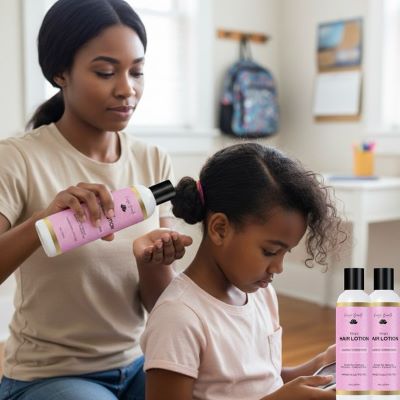
This is one of the biggest reasons parents feel frustrated.
They moisturize the hair, but shortly afterward, it feels dry again.
This often happens because moisture has been added but not properly retained.
A simple moisture routine often involves three steps:
Adding moisture
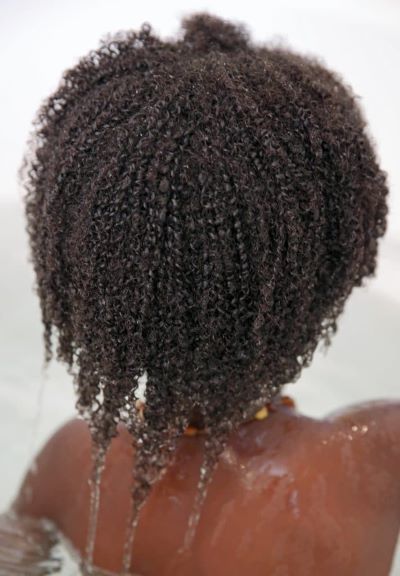
This usually comes from water-based products such as:
- Water sprays.
- Leave-in conditioners.
- Moisturizing creams.
Helping the moisture spread
Gentle distribution through the hair helps the product reach more areas.
Sealing in moisture
A suitable oil or butter may help slow down moisture loss.
The goal is not to make the hair heavy.
The goal is helping the hair stay comfortable and manageable.
3. Overwashing Can Contribute to Dryness
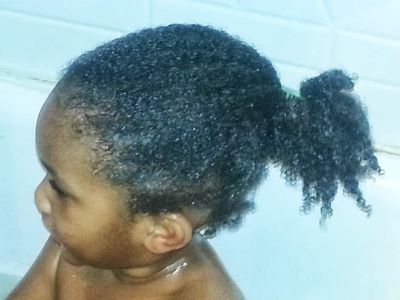
Clean hair is important, but washing too frequently without replacing moisture can sometimes leave hair feeling dry.
Every child’s routine will be different.
Some children need more frequent washing because of:
- Sports.
- Swimming.
- Sweating.
- Scalp needs.
Others may need less frequent washing.
The key is finding a balance that keeps the scalp clean while supporting moisture.
4. Using Products That Do Not Match Your Child’s Hair Needs
A product that works beautifully for one child may not work the same way for another.
Children’s hair differs in:
- Texture.
- Density.
- Porosity.
- Length.
- Styling needs.
Sometimes parents purchase products because they work for someone else, but their child’s hair responds differently.
Instead of asking:
“What is the most popular product?”
A better question is:
“What does my child’s hair need?”
5. Rough Handling During Styling
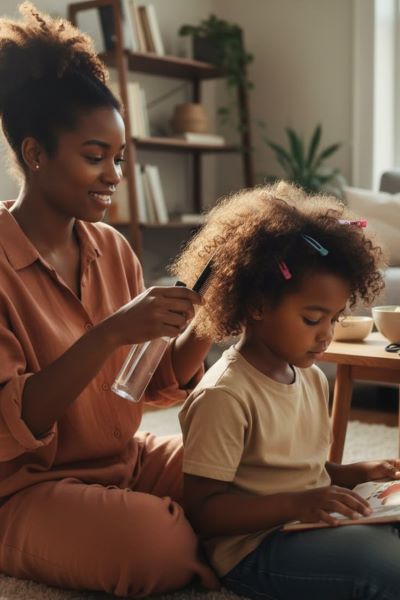
Hair can become dry-looking when it experiences too much stress.
This can happen through:
- Aggressive brushing.
- Pulling during styling.
- Tight hairstyles.
- Detangling without enough preparation.
Gentle handling is one of the most important parts of maintaining healthy children’s hair.
A moisturizing routine works best when combined with careful styling habits.
6. Lack of Nighttime Protection

Many parents focus on daytime styling but overlook what happens during sleep.
Friction between hair and bedding can contribute to:
- Moisture loss.
- Frizz.
- Tangling.
- Hairstyle becoming messy faster.
Nighttime protection can help preserve moisture and reduce unnecessary manipulation.
This is why your nighttime hair care routine article connects naturally with this topic.
7. Environmental Factors

The environment can affect how hair feels.
For example:
Cold weather
Cold air can contribute to dryness because hair may lose moisture more quickly.
Hot weather
Heat and sun exposure can also affect how hair feels.
Swimming
Chlorine and frequent water exposure may require additional care.
Adjusting your routine throughout the year can help support your child’s hair.
HOW TO BUILD A MOISTURE ROUTINE THAT ACTUALLY WORKS
A good moisture routine does not have to involve many steps.
The most effective routines are often simple enough to maintain consistently.
Step 1: Start With Clean Hair
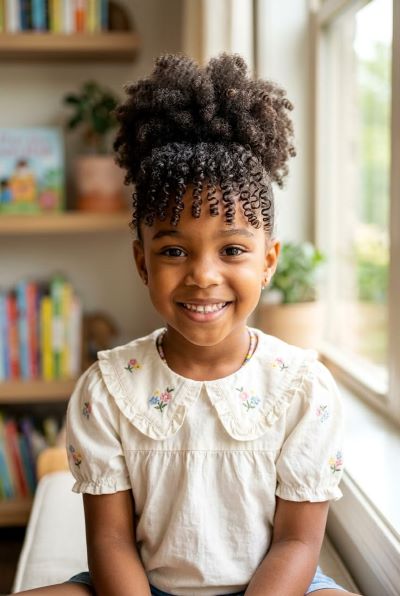
Healthy moisture begins with a clean foundation.
Product buildup can make it difficult for moisture to reach the hair properly.
Use gentle cleansing methods that suit your child’s hair and scalp.
Avoid focusing only on the hair strands.
The scalp also needs attention.
Step 2: Add Moisture While Hair Is Slightly Damp
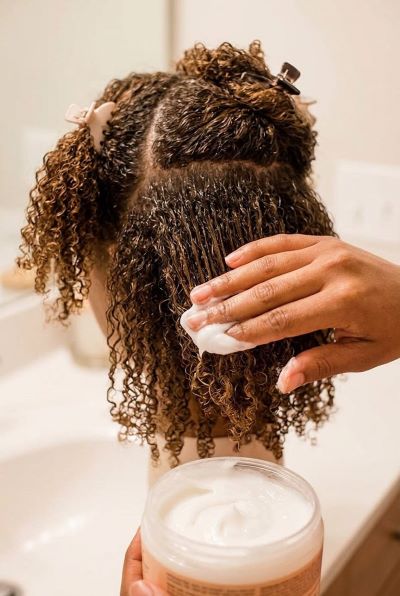
Many parents find that products work better when applied to slightly damp hair.
This helps provide a better environment for moisture absorption.
You do not need the hair soaking wet.
A light mist may be enough depending on your child’s needs.
Step 3: Use the Right Amount of Product
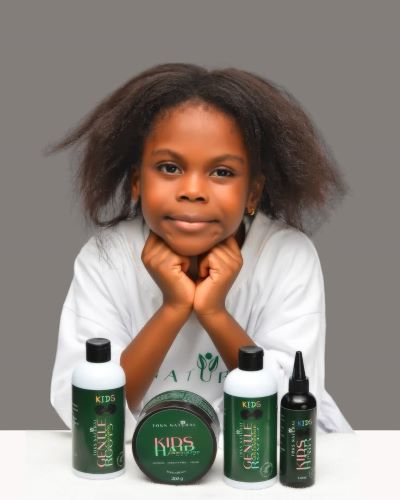
More product does not always mean more moisture.
Using too much product can sometimes create buildup and make the hair feel heavy.
Start with a small amount and add more if necessary.
Learning your child’s hair response is more valuable than following a fixed amount.
Step 4: Protect the Hair After Moisturizing
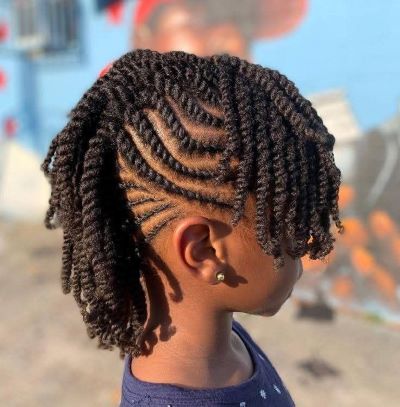
How you style the hair after moisturizing matters.
Protective styles can help reduce daily manipulation.
Examples include:
- Loose twists.
- Gentle braids.
- Low-tension styles.
The hairstyle should always prioritize comfort.
Step 5: Refresh When Needed
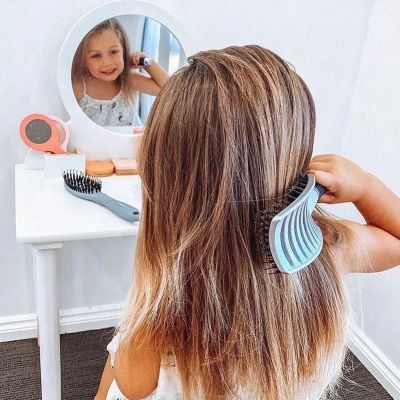
Hair does not always need a complete restyling session.
Sometimes it only needs a quick refresh.
A simple refresh may include:
- Lightly misting dry areas.
- Smoothing the hair gently.
- Adjusting a few sections.
Small maintenance steps can prevent bigger problems later.
KIDDIES HAIR HUB PARENT CORNER(Why is my child’s natural hair so dry)
Many parents feel discouraged when they cannot achieve the same results they see online.
Remember that social media often shows the finished hairstyle, not the daily maintenance behind it.
Healthy hair is a journey.
Your child’s hair does not need to look perfect every day.
It needs consistent care from someone who understands its needs.
QUICK WIN
Create a simple “hair observation habit.”
Once a week, notice:
- How soft the hair feels.
- Which areas become dry first.
- Which hairstyles keep moisture longer.
- Which products seem helpful.
Keeping track helps you understand your child’s hair instead of guessing.
DID YOU KNOW?
Children’s hair routines often need to change as they grow.
A routine that works for a toddler may need adjustments when the child starts school, becomes more active, or grows longer hair.
Regularly reviewing your routine helps you stay responsive to your child’s changing needs.
MISTAKES THAT CAN MAKE YOUR CHILD’S HAIR DRYER
Sometimes dryness continues because of small habits that seem harmless but can affect how well hair holds moisture.
The good news is that these habits can usually be improved with simple changes.
1. Applying Moisturizer Only When Hair Looks Dry
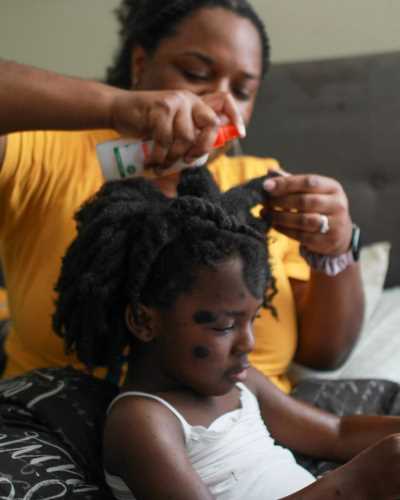
Many parents wait until the hair feels extremely dry before adding moisture.
However, hair often benefits more from consistent care than emergency treatment.
A regular routine helps maintain moisture instead of trying to restore it after it has already been lost.
Think of moisturizing as maintenance, not a rescue plan.
2. Using Too Much Oil Without Adding Moisture First
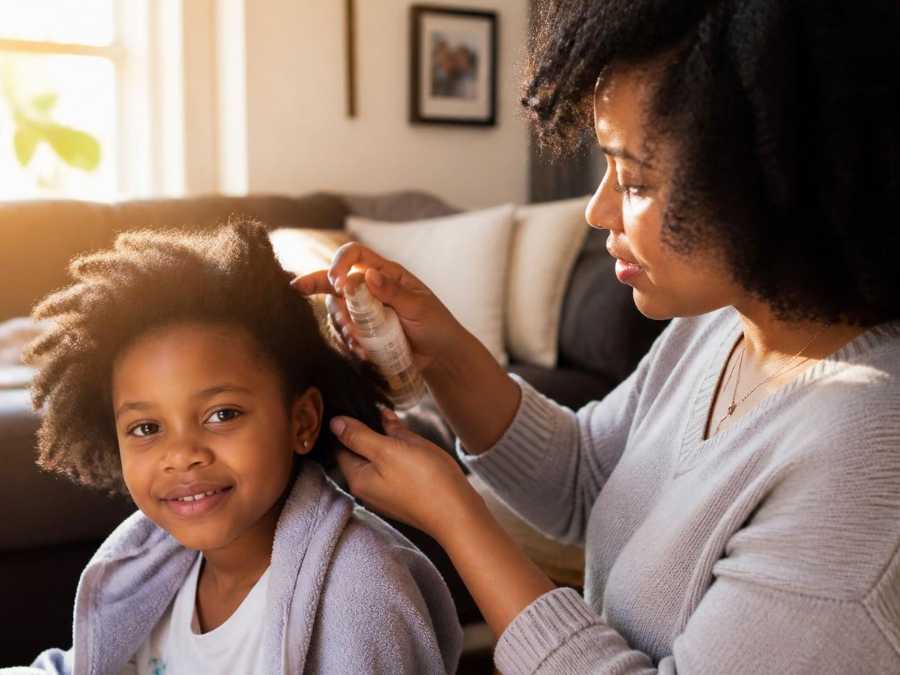
Oil can be helpful, but it is important to understand its purpose.
Oil helps reduce moisture loss, but it does not replace moisture.
If hair is already dry and you only apply oil, the hair may feel coated but still lack the softness and flexibility it needs.
A better approach is:
Moisture first, then sealing if needed.
3. Keeping Protective Styles Too Long

Protective hairstyles can be helpful because they reduce daily manipulation.
However, leaving a style in for too long without proper maintenance can create problems.
Over time, hair may experience:
- Product buildup.
- Tangling.
- Dryness.
- Difficulty during takedown.
Protective styles should protect the hair, not create additional stress.
4. Ignoring the Ends of the Hair
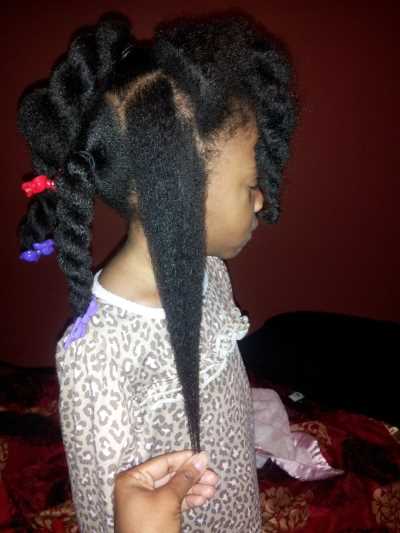
The ends are usually the oldest part of the hair strand.
Because they have been exposed to more manipulation and environmental factors, they often need extra care.
When moisturizing, pay attention to the ends instead of focusing only on the roots.
5. Changing Products Too Frequently
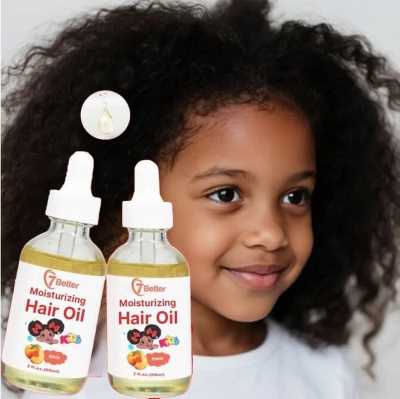
It can be tempting to try every new product recommendation you see online.
However, constantly changing products makes it difficult to understand what works for your child’s hair.
Give a routine enough time before deciding whether it works.
Consistency helps you learn your child’s hair better.
A SIMPLE WEEKLY MOISTURE PLAN FOR CHILDREN’S NATURAL HAIR
Every child is different, but this example can help parents create a starting point.
Wash Day
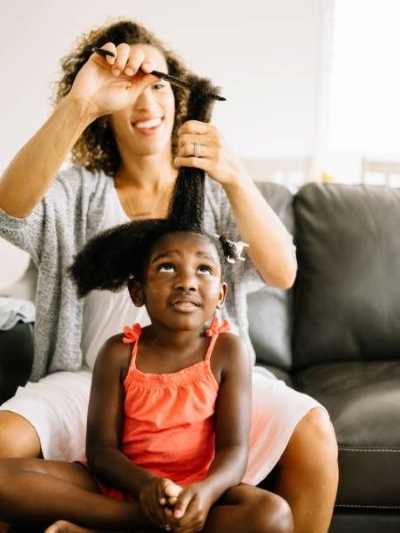
Focus on:
- Gentle cleansing.
- Conditioning.
- Detangling carefully.
- Adding moisture.
- Choosing a manageable hairstyle.
Middle of the Week
Check how the hair feels.
If needed:
- Lightly refresh dry areas.
- Add a small amount of moisturizer.
- Smooth the hairstyle.
Nighttime
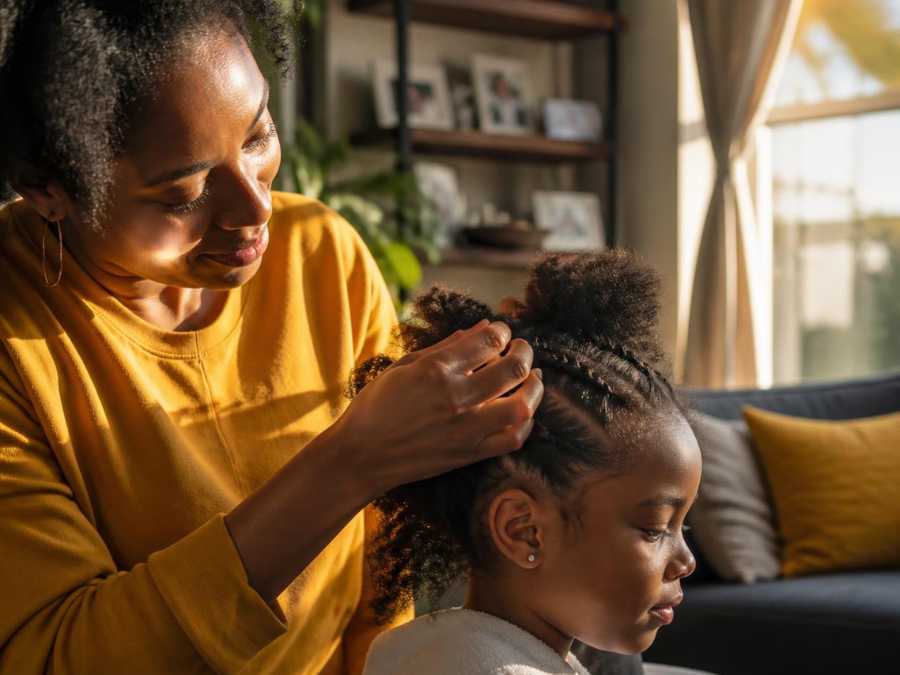
Before sleep:
- Protect the hairstyle.
- Reduce friction.
- Keep hair organized.
A consistent nighttime routine can help maintain moisture between wash days.
HOW TO KNOW IF YOUR CHILD’S MOISTURE ROUTINE IS WORKING
A successful routine does not mean your child’s hair looks perfect every day.
Look for signs such as:
- Hair feels softer.
- Detangling becomes easier.
- Less breakage during styling.
- Hairstyles last longer.
- Your child is more comfortable during hair care.
These small improvements show that the routine is supporting healthier hair habits.
ASK A PARENT
“My child’s hair is soft after moisturizing but becomes dry again the next day. What can I do?”
This may mean the hair needs better moisture retention.
Consider:
- Whether the product is suitable for your child’s hair.
- Whether the hair needs sealing after moisturizing.
- Whether nighttime protection is needed.
- Whether the hair is being exposed to frequent friction.
Sometimes the solution is not adding more products, but improving the routine around the products you already use.
FREQUENTLY ASKED QUESTIONS
How often should I moisturize my child’s natural hair?
There is no single answer that works for every child.
Some children’s hair may need refreshing several times a week, while others may maintain moisture longer.
Pay attention to how the hair feels rather than following a strict schedule.
Can dry hair become healthy again?
Yes.
Dryness is usually a sign that the hair needs better care and moisture support.
With consistent gentle handling and an appropriate routine, many children experience improvements in softness and manageability.
Does my child’s hair being dry mean it is not growing?
Not necessarily.
Hair growth and moisture are different things.
A child’s hair can grow while still experiencing dryness.
The focus should be on helping the hair retain length by reducing unnecessary breakage.
Should I moisturize my child’s hair every day?
Not always.
Daily moisturizing may be helpful for some children, but unnecessary for others.
Too much product can sometimes create buildup.
The goal is balance.
What is the best product for dry children’s natural hair?
There is no single product that works for every child.
The best choice depends on factors such as:
- Hair texture.
- Hair density.
- Lifestyle.
- Climate.
- How the hair responds.
A simple routine that is followed consistently often matters more than having many products.
MYTH VS FACT
| Myth | Fact |
| Dry hair means your child’s hair is unhealthy. | Dryness is a common challenge and can often improve with proper care. |
| More products always create better results. | The right routine is usually more important than the number of products. |
| Oil alone will moisturize dry hair. | Oil helps seal moisture but does not replace moisture. |
| Natural hair is difficult to manage. | Natural hair becomes easier when parents understand its needs. |
| A child’s hair should look perfect every day. | Healthy hair habits matter more than perfect hairstyles. |
KIDDIES HAIR HUB PARENT CORNER
Your child’s hair does not need to look like anyone else’s hair to be beautiful or healthy.
Every child’s hair has its own personality.
Some hair absorbs moisture quickly.
Others holds moisture longer.
Some children need more frequent care.
Others need a simpler routine.
The goal is not to force your child’s hair to behave like another child’s hair.
The goal is learning what makes your child’s hair thrive.
When parents approach hair care with patience and understanding, children learn something important:
Their hair is not a problem to fix.
It is something valuable to care for.
QUICK TAKEAWAYS
- Dry children’s hair is common and does not mean the hair is unhealthy.
- Moisture and moisture retention are two different things.
- A simple, consistent routine usually works better than using many products.
- Gentle handling helps prevent dryness-related breakage.
- Nighttime protection can help hair maintain moisture.
- Understanding your child’s unique hair needs is the foundation of healthy hair care.
CONCLUSION
If your child’s natural hair always seems dry, you are not alone.
Many parents experience the same challenge, especially when learning how to care for natural hair textures.
The solution is not chasing every new product or copying someone else’s routine.
It begins with understanding your child’s hair, creating simple habits, and giving the hair consistent care.
Healthy children’s hair is built through small actions repeated over time:
A gentle wash day.
A moisturizing routine.
A protective hairstyle.
A patient parent.
Every one of these moments contributes to healthier hair and a more positive relationship with hair care.
At Kiddies Hair Hub, we believe that every child deserves to grow up feeling confident about their hair.
Because healthy hair is not just about appearance.
It is about care, confidence, and connection.
This article has answered the question ‘why is my child’s natural hair so dry’ save for references.
How to Make Wash Day Easier for Kids: A Calm, Simple Routine Parents Can Actually Followhttps://kiddieshairhub.com/wp-admin/post.php?post=207&action=edit
How to Create a Healthy Hair Care Routine for Kids That Actually Works
Why Is My Child’s Hair So Dry? Common Causes and Simple Solutions
How to Protect Your Child’s Hair While Sleeping
Why Your Child’s Hair Isn’t Retaining Length and What Parents Can Do
Why Does My Child’s Hair Break Around the Hairline?
How to Prevent Split Ends in Children’s Natural Hair
How to Wash Braids and Protective Styles Without Ruining Them
How to Grow Healthy Natural Hair for Kids Without Chasing Every New Product
Leave a Reply