How to choose the right protective hairstyle for your child’s hair type
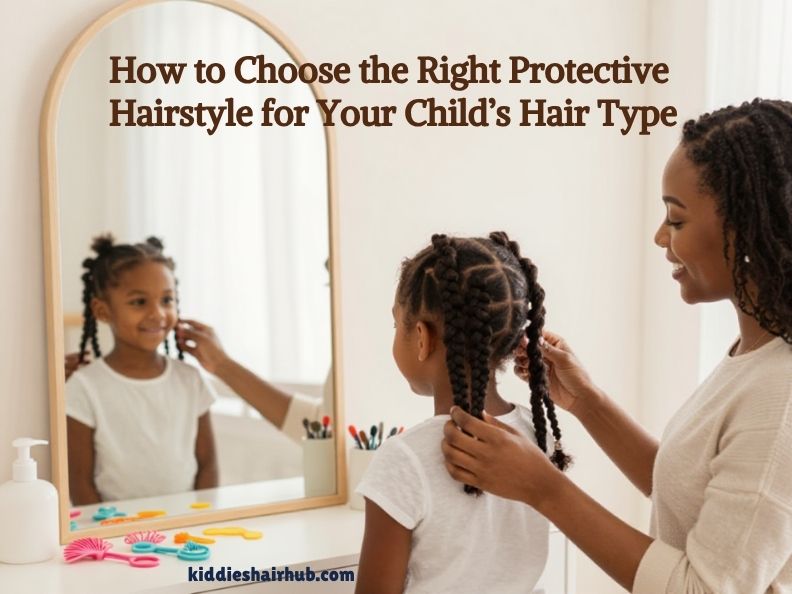
Choosing the right protective hairstyle depends on your child’s hair type, hair density, activity level, age, and daily routine.
The best protective styles are comfortable, reduce daily manipulation, help retain moisture, and can be maintained without causing unnecessary tension or breakage. https://kiddieshairhub.com/wp-admin/post.php?post=43&action=edit
TABLE OF CONTENTS
- What Is a Protective Hairstyle?
- Why Choosing the Right Style Matters
- How Hair Type Affects Protective Styles
- Factors Parents Should Consider
- Signs a Protective Style Is Working
- Common Mistakes to Avoid
- Frequently Asked Questions
- Conclusion
Choosing a hairstyle for your child can feel overwhelming.
There are thousands of beautiful braid styles, twists, buns, ponytails, and creative designs shared every day on Pinterest, Instagram, TikTok, and YouTube.
While these styles can provide inspiration, not every hairstyle is suitable for every child.
A style that works beautifully for one child may cause discomfort, become difficult to maintain, or fail to last on another child with different hair characteristics.
That is why learning how to choose the right protective hairstyle for your child’s hair type is so important.
The goal is not simply to create a hairstyle that looks beautiful for one day.
The goal is to choose styles that help protect your child’s natural hair, reduce unnecessary manipulation, support healthy hair growth, and fit comfortably into your family’s lifestyle.
In this guide, you’ll learn how to match protective hairstyles to your child’s unique hair needs so that every style supports healthy, manageable natural hair.
WHAT IS A PROTECTIVE HAIRSTYLE?
A protective hairstyle is a style that helps reduce daily manipulation of the hair while protecting the ends from unnecessary friction and breakage.
Protective styles give the hair a chance to rest from constant brushing, combing, and restyling.
However, it is important to remember that not every braided hairstyle automatically becomes protective.
A hairstyle is only truly protective if it:
- Is comfortable to wear.
- Does not pull tightly on the scalp.
- Allows regular scalp care.
- Helps reduce tangling.
- Can be maintained without damaging the hair.
Protection should always be measured by how the hair and scalp respond, not simply by how long the style lasts.
WHY CHOOSING THE RIGHT PROTECTIVE STYLE MATTERS
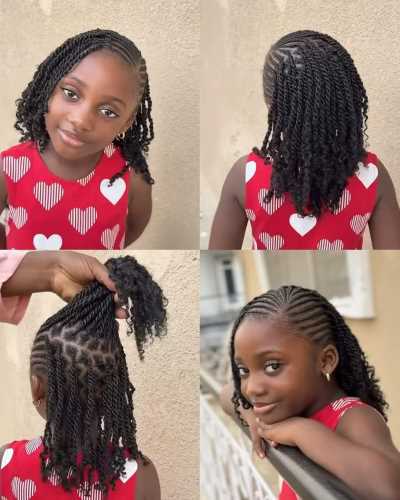
Parents sometimes choose hairstyles based only on appearance.
Although appearance is important, it should never be the only factor.
Learning how to choose the right protective hairstyle for your child’s hair type helps you make decisions that benefit your child’s hair in the long term.
The right hairstyle can:
- Reduce breakage.
- Help retain moisture.
- Make wash day easier.
- Reduce daily styling time.
- Protect delicate ends.
- Improve your child’s comfort.
- Support healthier length retention.
On the other hand, the wrong hairstyle may lead to:
- Excessive tension.
- Hairline stress.
- Tangling.
- Dryness.
- Frustration during styling.
Choosing wisely can make everyday hair care much easier.
HOW YOUR CHILD’S HAIR TYPE AFFECTS PROTECTIVE HAIRSTYLES
Every child’s natural hair behaves differently.
That is why understanding your child’s hair type is one of the most important steps before selecting a hairstyle.
Children with finer strands may benefit from styles that place very little tension on the hair.
Children with higher-density hair often need styles that allow easy access for moisturizing and scalp care.
Children whose hair dries quickly may benefit from styles that make refreshing moisture throughout the week easier.
Rather than asking,
“Which hairstyle is trending?”
Ask,
“Which hairstyle supports my child’s hair?”
That simple shift in thinking often leads to healthier long-term results.
CONSIDER YOUR CHILD’S AGE
Age is another important factor that many hairstyle galleries overlook.
Toddlers
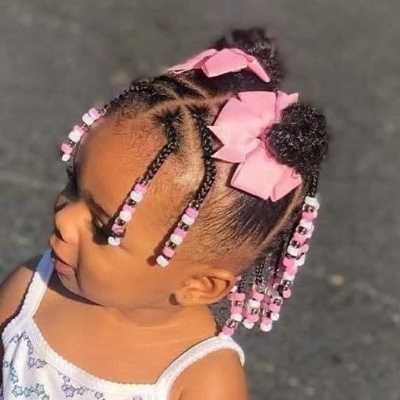
Toddlers usually benefit from simple hairstyles that are quick to install and comfortable enough for active play.
At this stage, children are still becoming familiar with hair care routines, so keeping styling sessions short can make the experience more enjoyable.
Preschoolers
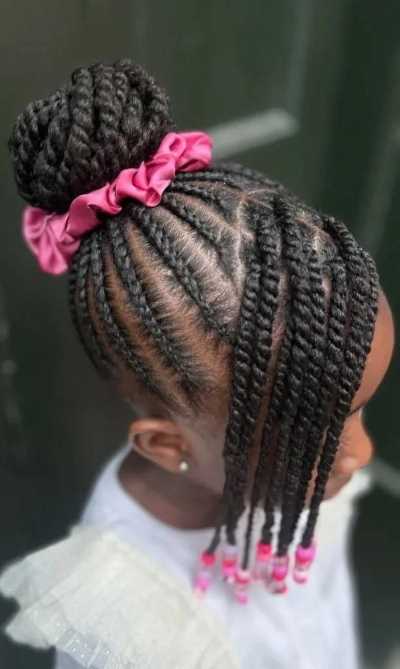
Children in preschool are often very active.
Protective styles should stay neat while still allowing them to play comfortably without excessive pulling or discomfort.
School-Age Children
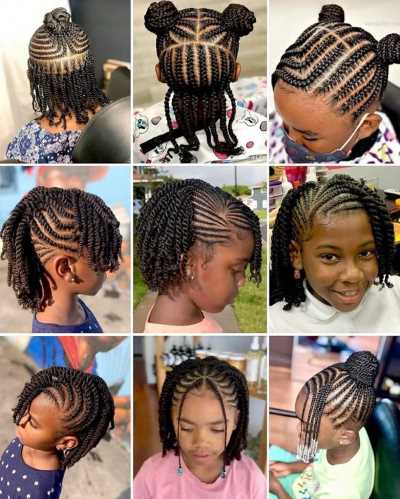
Older children can usually wear more detailed styles, but practicality still matters.
Consider school activities, sports, and how much daily maintenance the hairstyle will require.
The best hairstyle is one that works with your child’s daily routine rather than against it.
KIDDIES HAIR HUB PARENT CORNER
One of the biggest changes you can make as a parent is to stop asking,
“What hairstyle looks the prettiest?”
and begin asking,
“What hairstyle will keep my child’s hair healthy?”
Beautiful hairstyles come and go.
Healthy hair habits stay with your child for years.
Teaching children that comfort and healthy hair matter more than following trends helps build confidence and encourages positive hair care habits.
QUICK WIN
Before choosing your child’s next hairstyle, ask yourself these three questions:
- Will this hairstyle be comfortable for my child?
- Can I moisturize the hair while the style is in?
- Will this hairstyle reduce daily manipulation?
If the answer is “yes” to all three, the style is likely a good choice.
DID YOU KNOW?
A protective hairstyle should never cause pain.
If your child says a hairstyle hurts, develops bumps around the hairline, or struggles to sleep because of tightness, the style should be loosened or changed.
Comfort is one of the clearest signs that a hairstyle is truly protective.
Consider Your Child’s Hair Density Before Choosing a Style
When learning how to choose the right protective hairstyle for your child’s hair type, one factor that is often overlooked is hair density.
Hair density refers to how much hair your child has on their scalp.
Two children may have the same curl pattern but completely different hair density, which can affect how a hairstyle looks, feels, and lasts.
Low-Density Hair

Children with low-density hair often benefit from simple protective styles that avoid putting too much stress on the scalp.
Very small braids or styles with many tight sections may make the hair appear thinner and place unnecessary tension on delicate strands.
Instead, consider styles that:
- Use larger sections.
- Feel lightweight.
- Allow the hair to move naturally.
- Protect the ends without excessive pulling.
Medium-Density Hair

Medium-density hair is often the most flexible when it comes to styling.
Parents can usually choose from a wide variety of protective hairstyles, provided they remain comfortable and are properly maintained.
The focus should still be on protecting the hair rather than creating a style that is overly complicated.
High-Density Hair
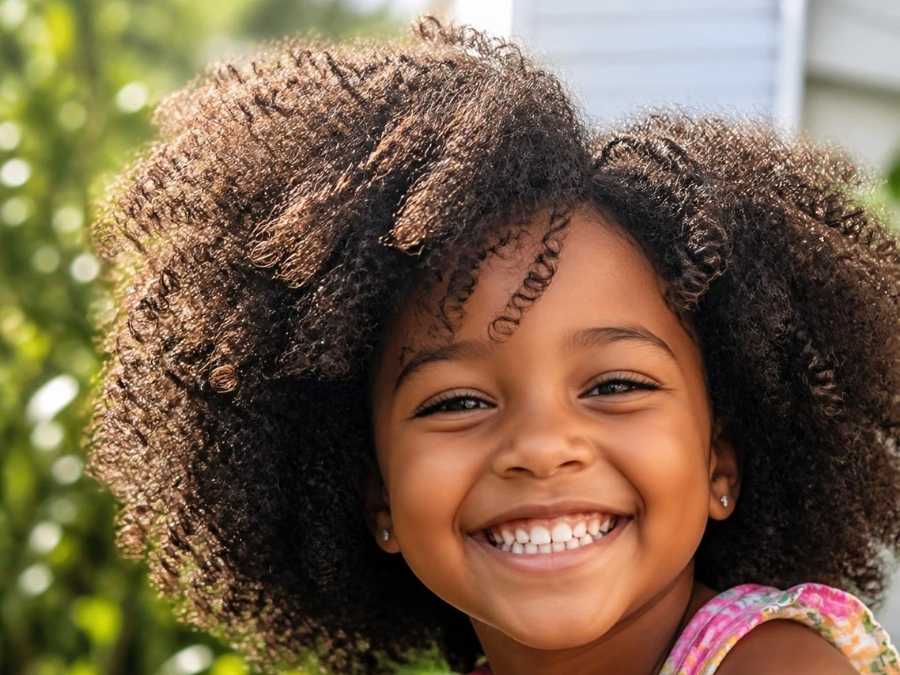
Children with high-density hair often have beautiful volume, but they may also require more time during styling and wash day.
Protective styles should make it easy to:
- Moisturize the hair.
- Access the scalp.
- Detangle when the style is removed.
- Avoid excessive bulk that could become uncomfortable.
A style that looks beautiful on the first day should still be manageable a week later.
Hair Length Also Influences Protective Hairstyles
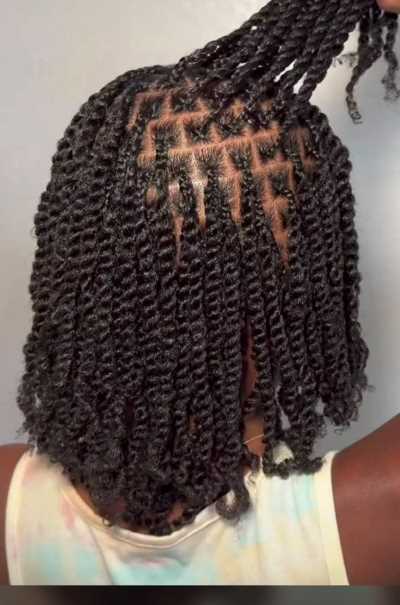
Hair length is another important consideration.
Parents sometimes wait for their child’s hair to become longer before trying protective styles.
In reality, healthy protective styling can begin with shorter natural hair as long as the style is appropriate for the child’s age and comfort.
Short Hair
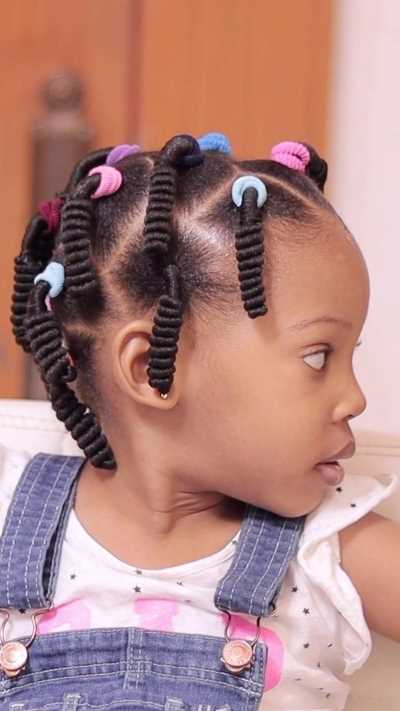
Short natural hair works well with:
- Chunky two-strand twists.
- Mini puffs.
- Simple braided sections.
- Soft cornrows with minimal tension.
The goal is not to make the hair appear longer.
The goal is to keep it healthy and easy to manage.
Medium-Length Hair
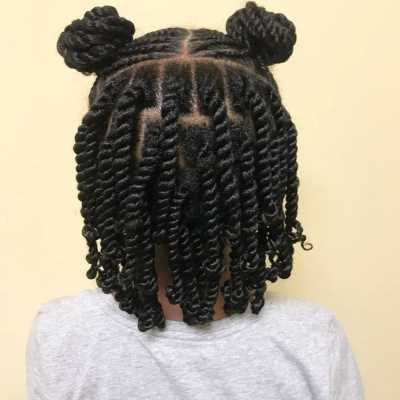
As hair grows, parents have more styling options.
At this stage, many children enjoy styles that can last for several days while still allowing regular moisturizing and scalp care.
Longer Hair
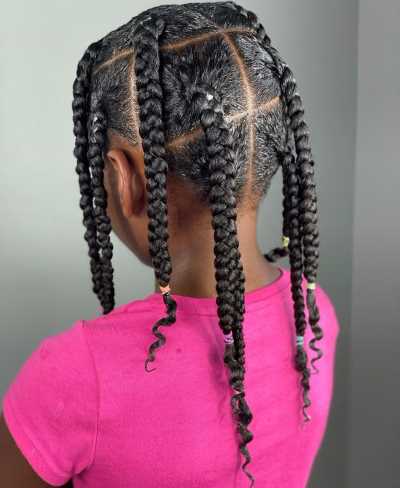
Longer hair often needs extra attention because the ends have been exposed to more wear over time.
Choose styles that keep the ends protected and reduce tangling during daily activities.
Match the Hairstyle to Your Child’s Lifestyle
One of the best ways to choose the right protective hairstyle for your child’s hair type is to think about how your child spends their day.
A hairstyle that works well during school holidays may not be the best choice during a busy school term.
Ask yourself:
- Does my child play sports?
- Do they swim regularly?
- Do they enjoy outdoor activities?
- Are they likely to remove hair accessories during the day?
- Will I have enough time to maintain this style?
Choosing a hairstyle that fits your child’s lifestyle usually leads to better results than choosing one based only on appearance.
Protective Hairstyles for Active Children
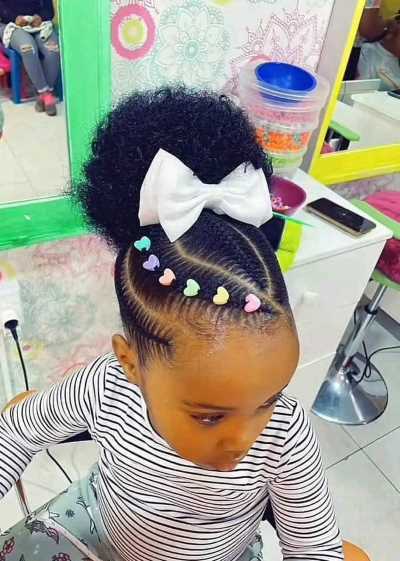
Children who spend a lot of time running, jumping, and playing need hairstyles that remain secure without feeling restrictive.
Look for styles that:
- Keep hair away from the face.
- Stay neat throughout active play.
- Are comfortable under hats or helmets.
- Can be refreshed easily if needed.
Simple styles often perform better than highly detailed designs for active children.
Think About Maintenance Before Installation
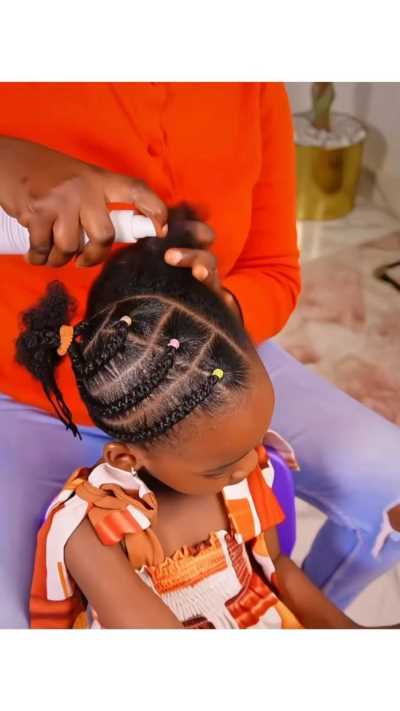
Before spending several hours creating a hairstyle, ask yourself whether you can realistically maintain it.
A hairstyle should fit your family’s routine.
Consider:
- How often you’ll moisturize the hair.
- Whether the scalp will be easy to clean.
- How long the style should reasonably stay in.
- Whether your child will be comfortable wearing it.
A beautiful hairstyle that becomes difficult to maintain may end up causing more stress than benefit.
How Long Should a Protective Hairstyle Stay In?
There is no single timeline that works for every child.
The right length of time depends on:
- Your child’s hair.
- The type of hairstyle.
- Activity level.
- How well the style is maintained.
Instead of focusing on a specific number of days or weeks, watch for signs that the hairstyle is no longer protecting the hair.
These signs may include:
- Excessive frizz.
- Product buildup.
- Tangling at the roots.
- Dry hair that is difficult to moisturize.
- A style becoming loose enough to create knots.
Removing a style before these problems become severe often makes wash day much easier.
Common Mistakes Parents Make When Choosing Protective Hairstyles
Even with the best intentions, many parents make small mistakes that can affect hair health.
Some of the most common include:
Choosing Tight Styles to Make Them Last Longer
A hairstyle should never depend on tightness to stay neat.
Comfortable hairstyles usually protect the hair better over time.
Leaving Styles in Too Long
Keeping a hairstyle installed long after it has become difficult to maintain may lead to tangles, dryness, and unnecessary breakage.
Ignoring Your Child’s Feedback
If your child repeatedly says a hairstyle hurts or feels uncomfortable, listen.
Pain is not a normal part of healthy protective styling.
Changing Hairstyles Too Frequently
Constantly taking styles down and reinstalling new ones increases manipulation.
Sometimes allowing a simple hairstyle to remain neat for several days is the healthiest choice.
Kiddies Hair Hub Parent Corner
Many parents feel pressure to create elaborate hairstyles every week.
Remember that your child will benefit far more from a comfortable hairstyle that protects their hair than from an intricate style that causes stress or discomfort.
Children remember how hair care made them feel.
When styling sessions are gentle and positive, they are more likely to develop confidence in caring for their natural hair as they grow.
Quick Win
Before your next styling session, let your child help choose between two hairstyles that you already know are healthy and comfortable.
Giving children age-appropriate choices helps them feel involved while ensuring you are still selecting styles that support healthy hair.
Did You Know?
The most protective hairstyle is not always the one that lasts the longest.
A hairstyle that keeps the hair moisturized, comfortable, and free from excessive tension is often much more beneficial than one that simply stays neat for weeks.
Signs You’ve Chosen the Right Protective Hairstyle
Once you’ve selected a protective hairstyle, you may wonder whether it’s truly benefiting your child’s hair.
The right style should make hair care easier, not more difficult. It should protect the hair while allowing your child to stay comfortable during everyday activities.
Here are some signs the hairstyle is working well:
- Your child says the style feels comfortable.
- The scalp looks healthy without redness or bumps.
- The hair stays moisturized with regular care.
- The style reduces daily tangling.
- There is less breakage when the hairstyle is removed.
- Your child sleeps comfortably without complaining about tightness.
- Wash day is easier because the hair remains manageable.
Remember that a protective hairstyle should support healthy hair, not simply look neat.
How to Care for a Protective Hairstyle
Choosing a good hairstyle is only the beginning.
Proper maintenance helps ensure the style continues protecting your child’s hair throughout the time it is worn.
A few simple habits can make a big difference.
Keep the Scalp Clean
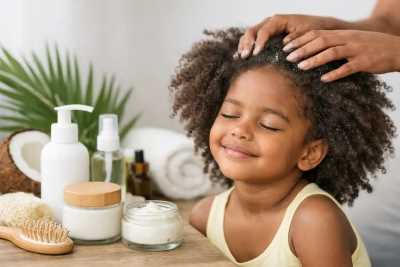
A healthy scalp supports healthy hair.
Depending on your child’s needs, gently cleanse the scalp to remove sweat, dirt, and product buildup without disturbing the hairstyle more than necessary.
Continue Moisturizing
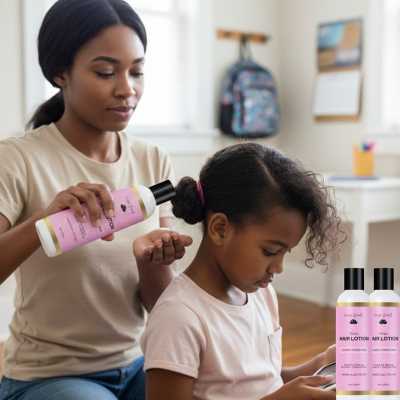
Some parents stop moisturizing once a protective style is installed.
However, natural hair still needs moisture while it is braided, twisted, or tucked away.
Use a lightweight moisturizing product when needed, paying attention to how your child’s hair responds rather than following a strict schedule.
Protect the Hair at Night
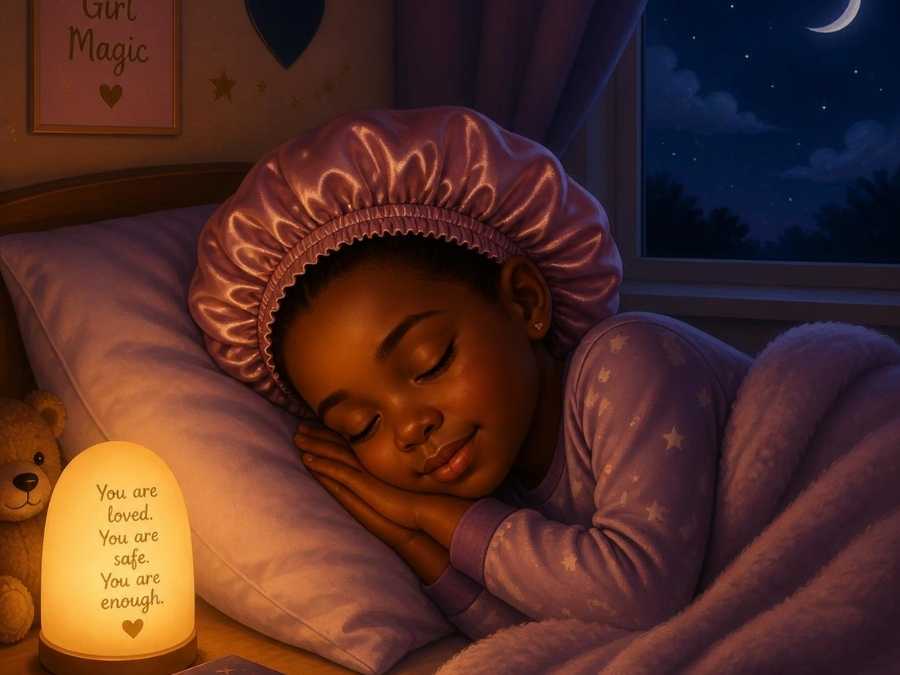
Nighttime protection helps reduce friction while your child sleeps.
A satin bonnet, satin scarf, or satin pillowcase can help minimize dryness and frizz while helping the hairstyle last longer.
Avoid Constant Restyling
Repeatedly redoing edges, tightening braids, or changing sections places unnecessary stress on the hair.
Allow the hairstyle to do its job instead of trying to make it look freshly installed every day.
When It’s Time to Remove the Hairstyle
Every protective style eventually reaches the point where it should come down.
Instead of waiting until the hairstyle looks extremely messy, watch for signs that it is no longer serving its purpose.
These may include:
- Excessive frizz.
- Difficulty moisturizing the hair.
- Heavy product buildup.
- Tangling near the roots.
- Loose braids or twists that are beginning to knot.
- Your child saying the style feels uncomfortable.
Removing the hairstyle at the right time often makes detangling easier and helps prevent unnecessary breakage.
Frequently Asked Questions
How often should I change my child’s protective hairstyle?
There is no universal schedule.
The best timing depends on your child’s hair, the type of style, how well it is maintained, and your child’s activity level.
Pay attention to the condition of the hair and scalp rather than following someone else’s timeline.
Can my child wear protective hairstyles all year?
Yes, but the hair should still receive regular cleansing, moisturizing, and breaks between styles when needed.
Healthy hair care is about balance rather than keeping the hair in protective styles continuously.
Are tighter hairstyles better because they last longer?
No.
A hairstyle should never feel painful.
If tightness causes discomfort, bumps, or excessive pulling around the hairline, the style should be loosened or removed.
Which protective hairstyle is best?
There is no single hairstyle that works best for every child.
The right choice depends on your child’s hair type, age, lifestyle, comfort, and your family’s maintenance routine.
Can protective hairstyles help my child’s hair grow?
Protective hairstyles do not increase the natural rate of hair growth.
However, they can help reduce breakage, making it easier for children to retain the length their hair naturally grows.
Protective Hairstyle Myth vs. Fact
| Myth | Fact |
| Every braid style is automatically protective. | A style is protective only if it is comfortable, properly maintained, and does not place excessive tension on the hair. |
| Tight hairstyles last longer and are better for the hair. | Tight hairstyles can damage the hairline and increase breakage. Comfort should always come first. |
| Protective styles do not need moisturizing. | Hair continues to need moisture while in a protective style. |
| Children should keep hairstyles in as long as possible. | Styles should be removed when they are no longer protecting the hair or becoming difficult to maintain. |
| One hairstyle works for every child. | The best hairstyle depends on each child’s unique hair type, routine, and needs. |
A Simple Protective Hairstyle Checklist
Before choosing your child’s next hairstyle, ask yourself:
- Is the hairstyle comfortable?
- Does it suit my child’s hair type and density?
- Can I moisturize the hair while it’s installed?
- Will my child be able to play, learn, and sleep comfortably?
- Is it realistic for our family’s schedule?
- Will it reduce daily manipulation?
- Can it be removed without excessive tangling?
If you can answer “yes” to most of these questions, you’re likely making a healthy choice.
Kiddies Hair Hub Parent Corner
The most memorable hairstyles are not always the most complicated.
Sometimes the simplest braid pattern, twist style, or set of neat puffs protects the hair better than an elaborate design that takes hours to install.
Your child is unlikely to remember every hairstyle you created.
What they will remember is whether hair day felt calm, encouraging, and filled with patience.
Healthy hair and happy memories can grow together.
Quick Takeaways
- A protective hairstyle should protect the hair, not just look attractive.
- Comfort is one of the most important signs that a style is appropriate.
- Hair type, density, age, and lifestyle all influence the best hairstyle.
- Continue cleansing and moisturizing while the style is installed.
- Remove hairstyles before excessive buildup or tangling develops.
- Consistent care matters more than complicated styles.
Conclusion
Learning how to choose the right protective hairstyle for your child’s hair type becomes much easier when you focus on your child’s individual needs instead of trends.
The healthiest protective styles are the ones that reduce manipulation, support moisture, fit comfortably into your child’s daily routine, and leave the hair in good condition when they are removed.
There is no perfect hairstyle for every child, and that’s perfectly okay.
By paying attention to your child’s comfort, observing how their hair responds, and building simple, consistent habits, you’ll make choices that encourage healthy natural hair for years to come.
At Kiddies Hair Hub, we believe every hairstyle should do more than look beautiful.
It should help children enjoy healthy hair, build confidence, and create positive experiences with their natural curls and coils.
Signs Your Child’s Hairstyle Is Too Tight and What to Do About It
Best Protective Hairstyles for Toddlers: Gentle Styles That Keep Little Hair Healthy
How Long Should Children Keep Protective Hairstyles? A Parent’s Guide to Healthy Timing
Why Protective Hairstyles Help Children Retain Healthier Hair
How to Choose the Right Protective Hairstyle for Your Child’s Hair Type
How to Prepare Children’s Hair Before Installing a Protective Style
25 Easy Protective Hairstyles for Black Girls With Short Natural Hair
How to Wash Braids and Protective Styles Without Ruining Them
Leave a Reply